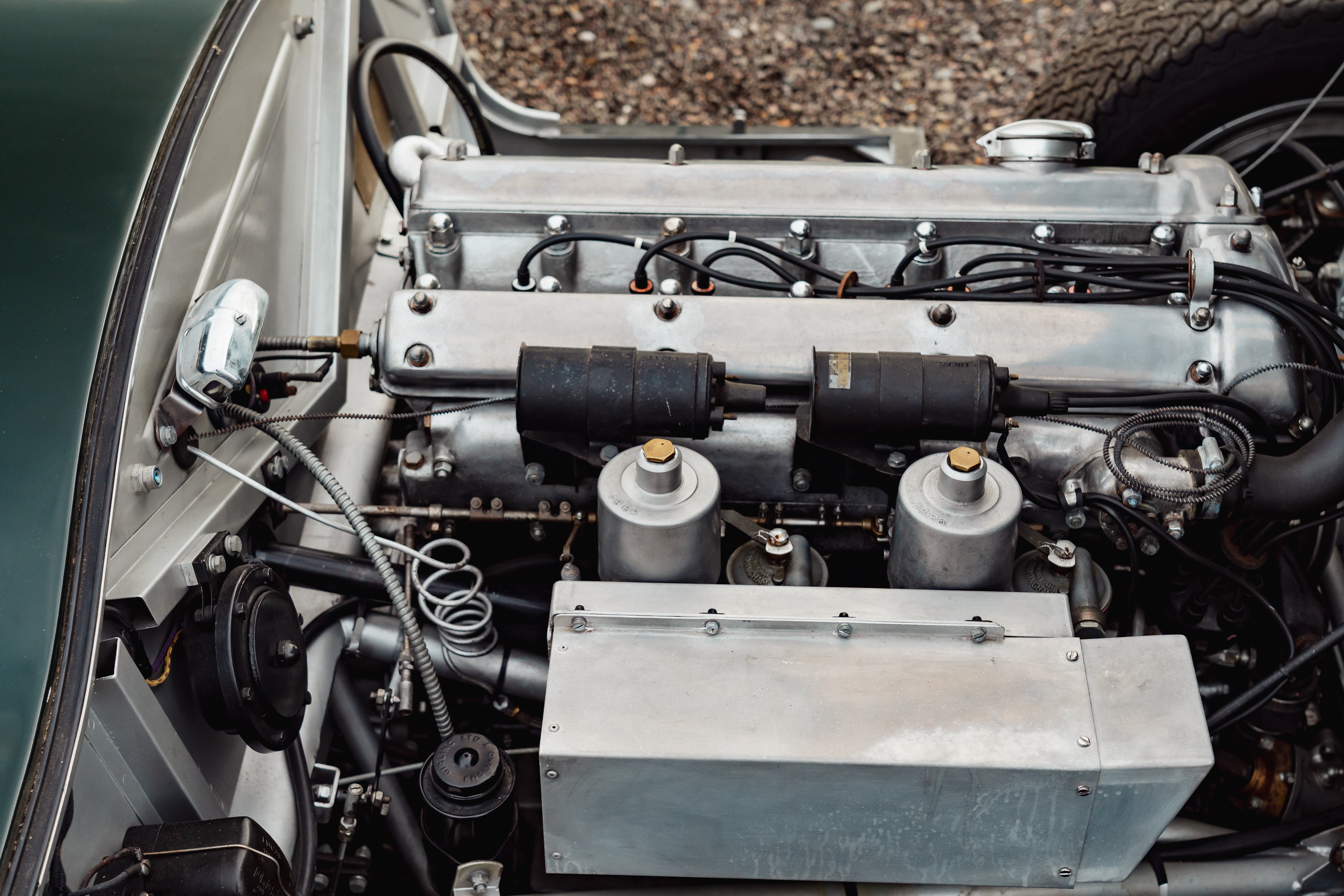
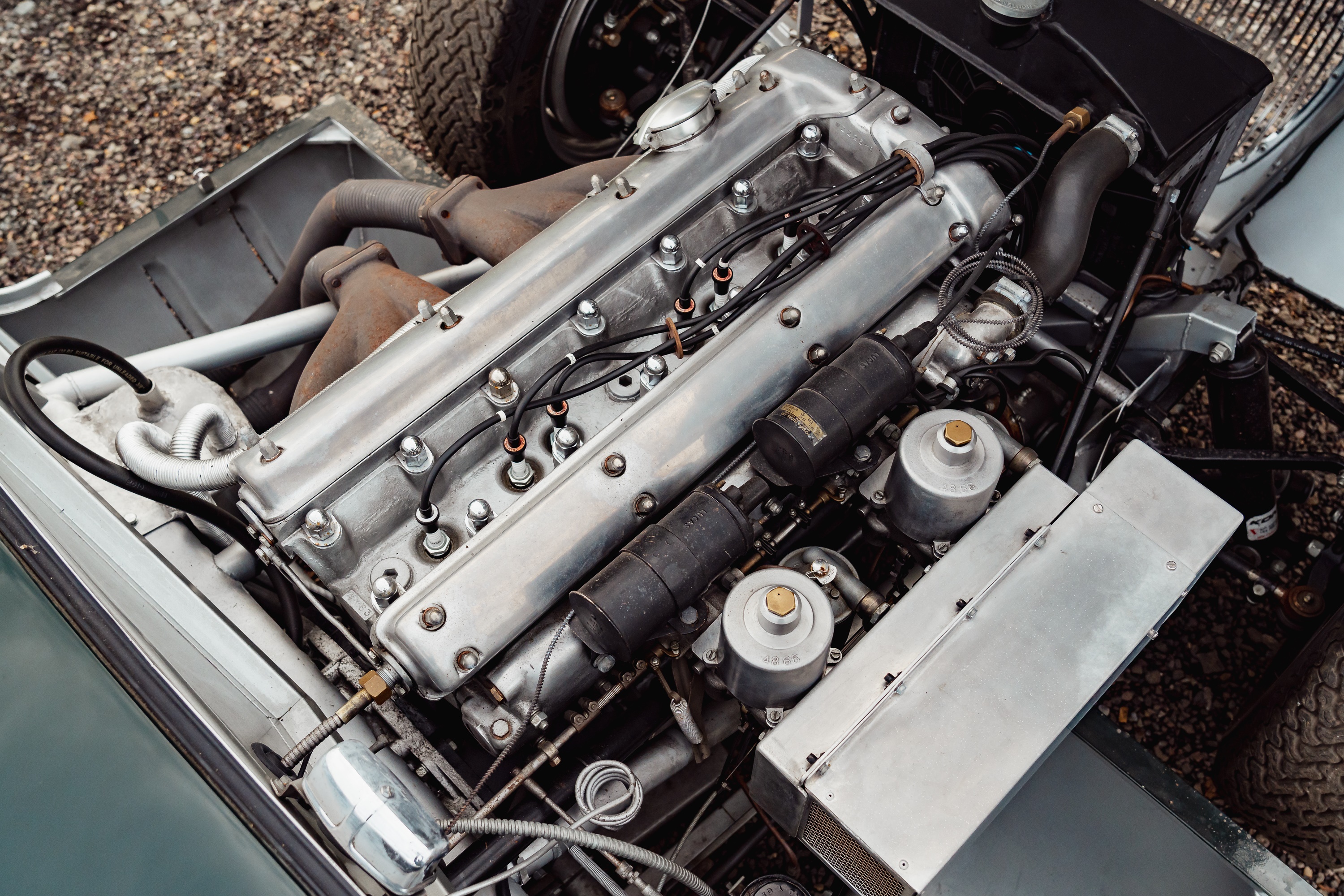
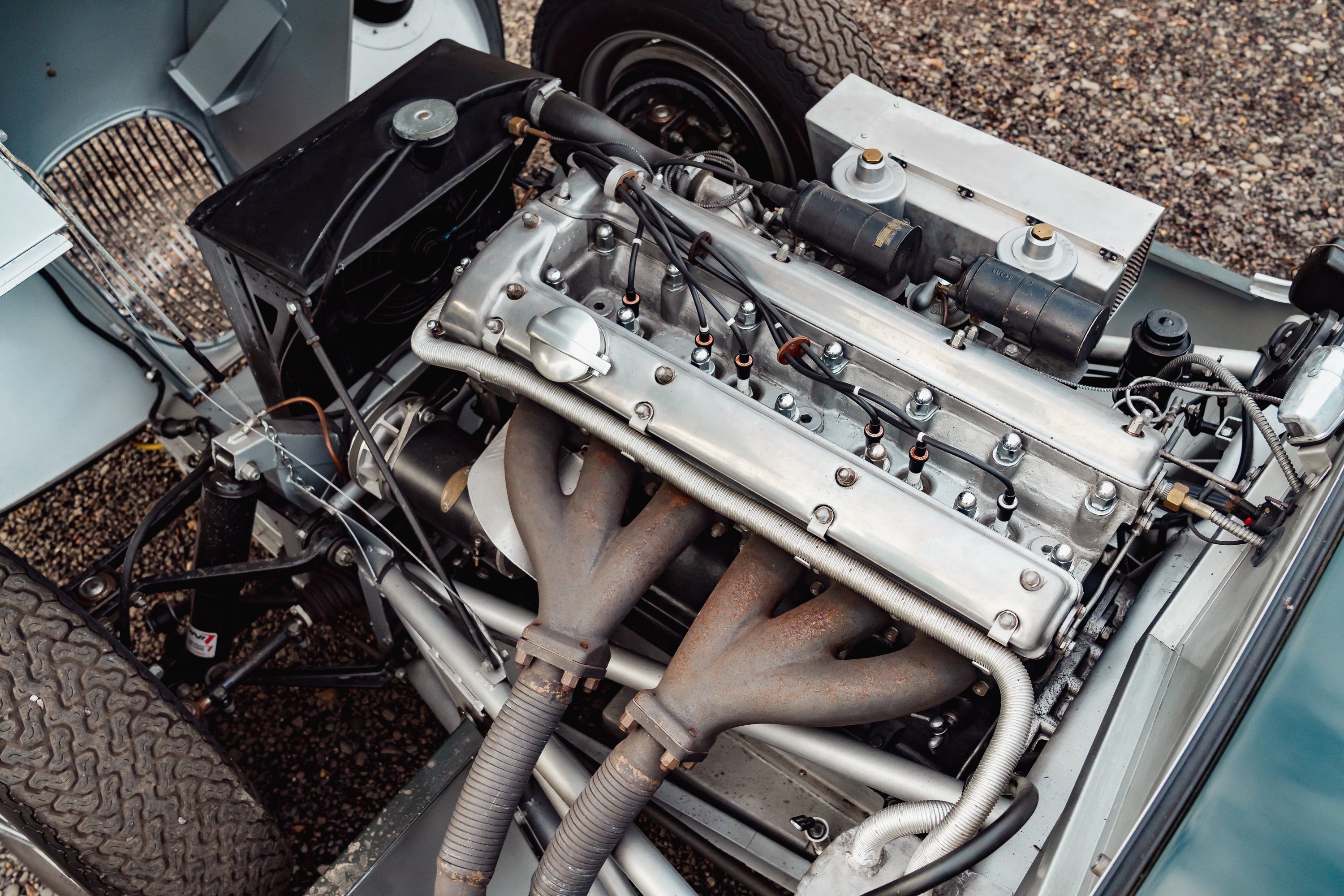
Launched at the 1948 Earls Court Motor Show, the Jaguar XK120 was a sensation. Penned by William Lyons, the model's sensuous lines seemed almost impossibly glamorous to a country still feeling the effects of rationing, and the 120mph top speed that its name signified soon became the stuff of legend. Flooded with orders, Jaguar began limited hand-built production soon thereafter. It was not until 1950 that the factory was sufficiently 'tooled-up' to discard aluminium in favour of steel for the curvaceous bodywork. Credited with 160bhp and 190lb. ft. of torque in standard tune, its revered 3,442cc DOHC straight-six engine was paired with a four-speed manual transmission.
In many ways the XK120's success, both on and off the track, took Jaguar by surprise. Among the fastest production cars of its day, the model had obvious competition potential but the endurance racing derivative, which débuted at the 1951 Le Mans 24 Hours, was an altogether more specialised machine. Conceived behind closed doors, the XK120 Competition—alias the C-Type—was considerably faster, lighter and nimbler than its roadgoing sibling. The work of Bob Knight and Malcolm Sayer respectively, the newcomer's sophisticated multi-tubular chassis frame and aerodynamic all-aluminium bodywork allowed it to conquer contemporary Ferrari, Aston Martin and Mercedes-Benz opposition.
Famous for winning the 1951 and 1953 Le Mans races, the C-Type may well have triumphed in the 1952 event had Jaguar not chosen to make various unproven modifications. One subsequent upgrade, that more than validated its worth, was the adoption of four-wheel Dunlop disc brakes. Thus equipped, the C-Type driven by Duncan Hamilton and Tony Rolt at the 1953 Le Mans became the first car ever to average over 100mph at the fabled endurance race. Total C-Type production amounted to just 53 cars, but even after Jaguar had turned its attention to the D-Type privateers continued to campaign the older design with considerable success (often uprating the engine from 3.4 to 3.8 litres in the process).
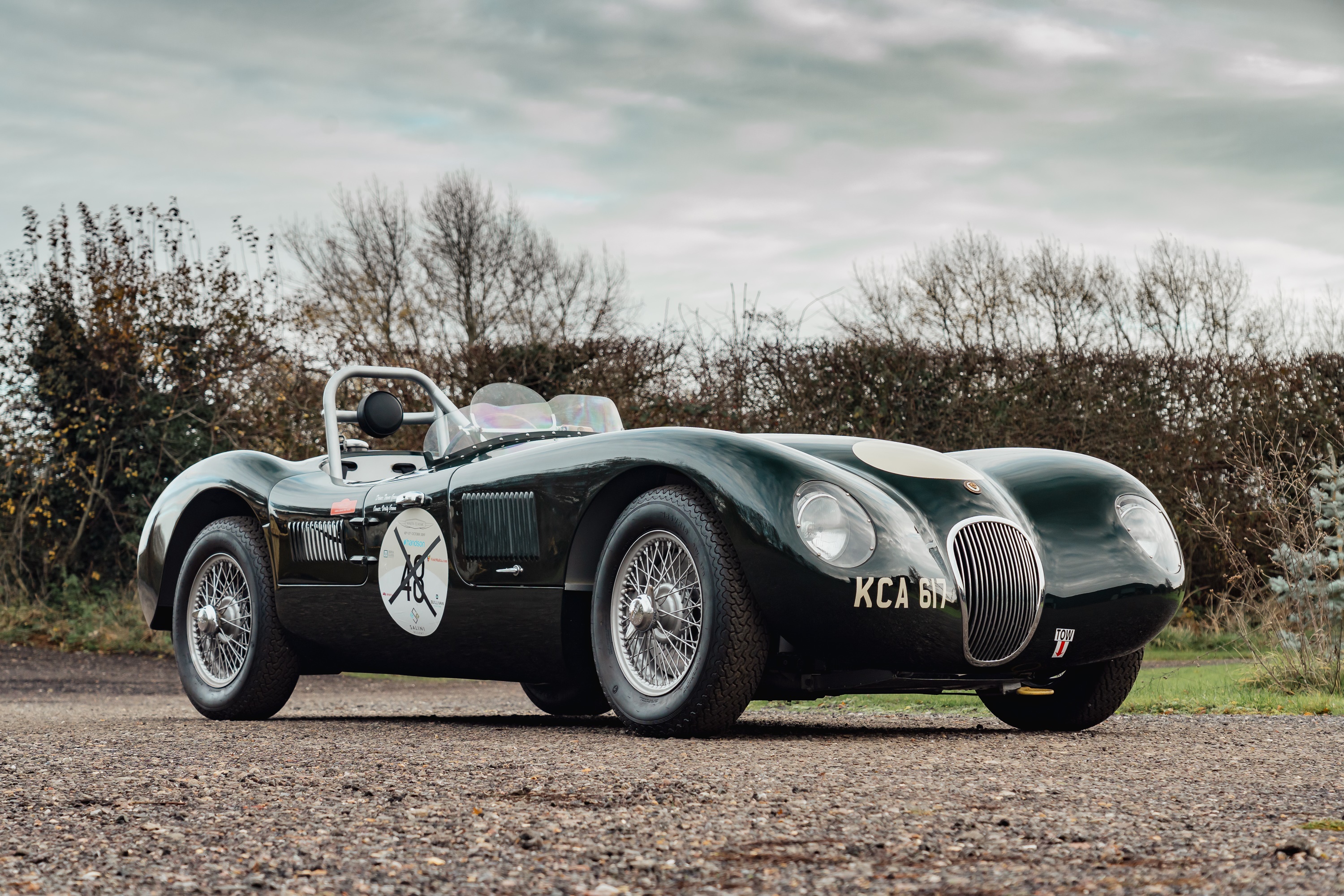
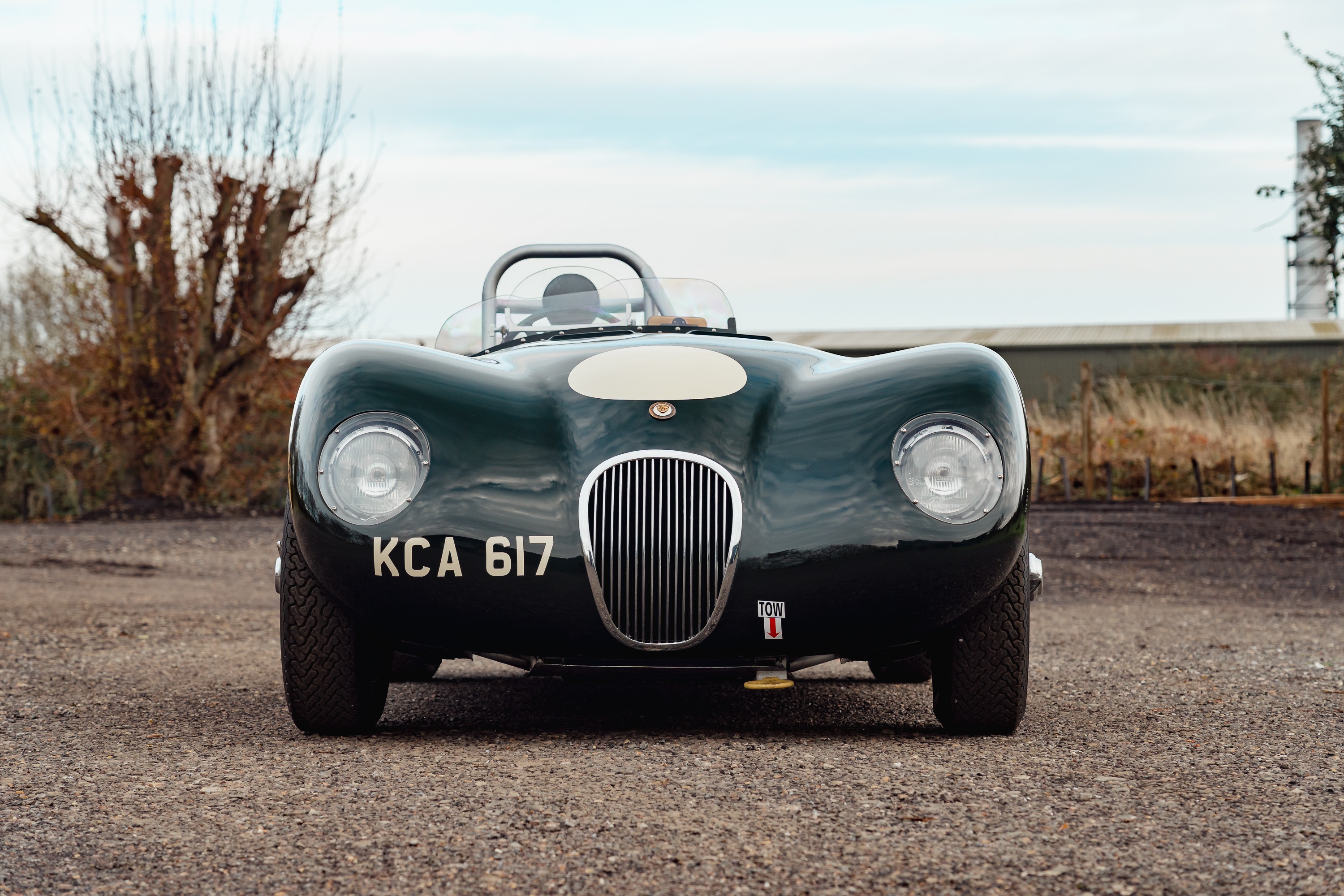
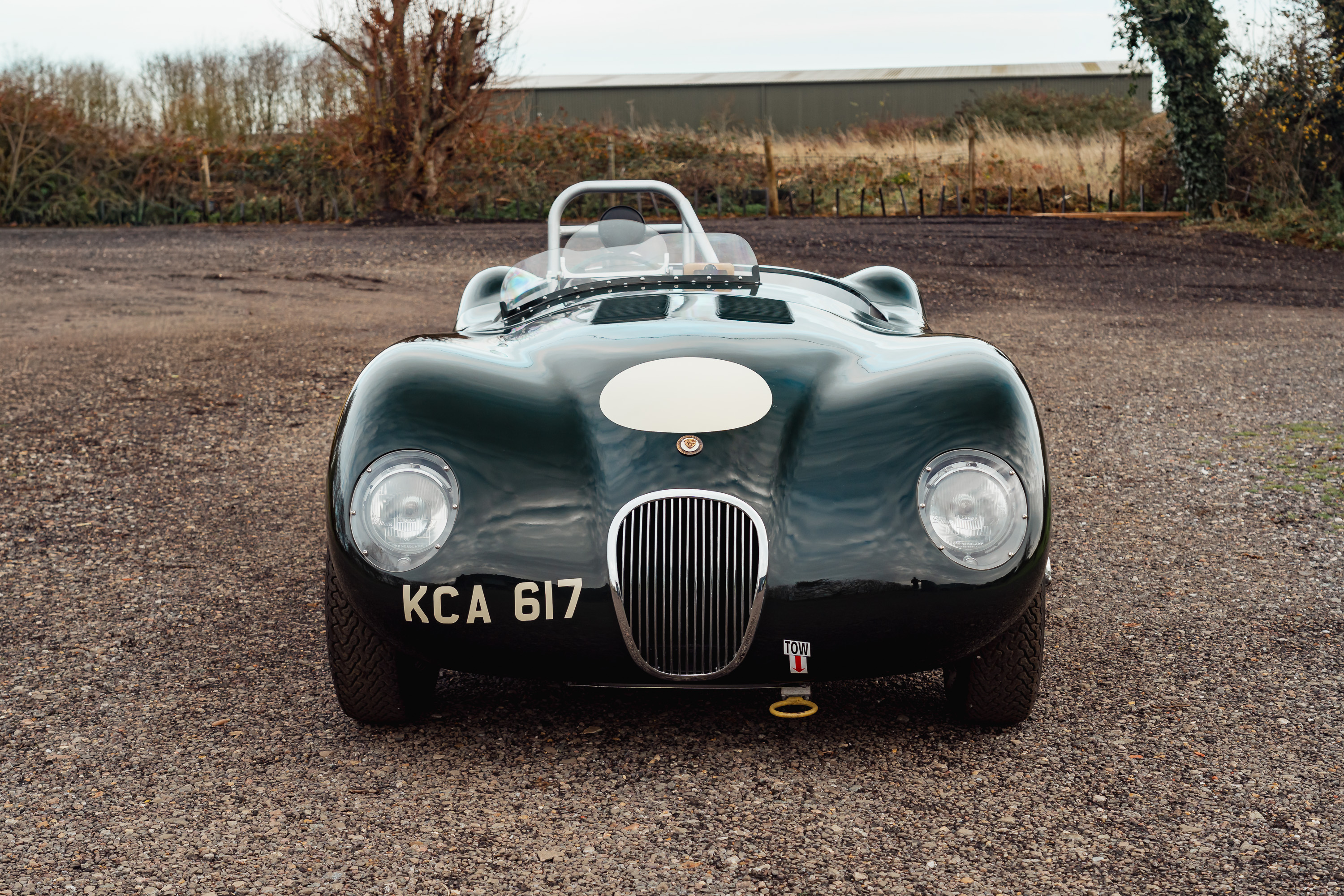
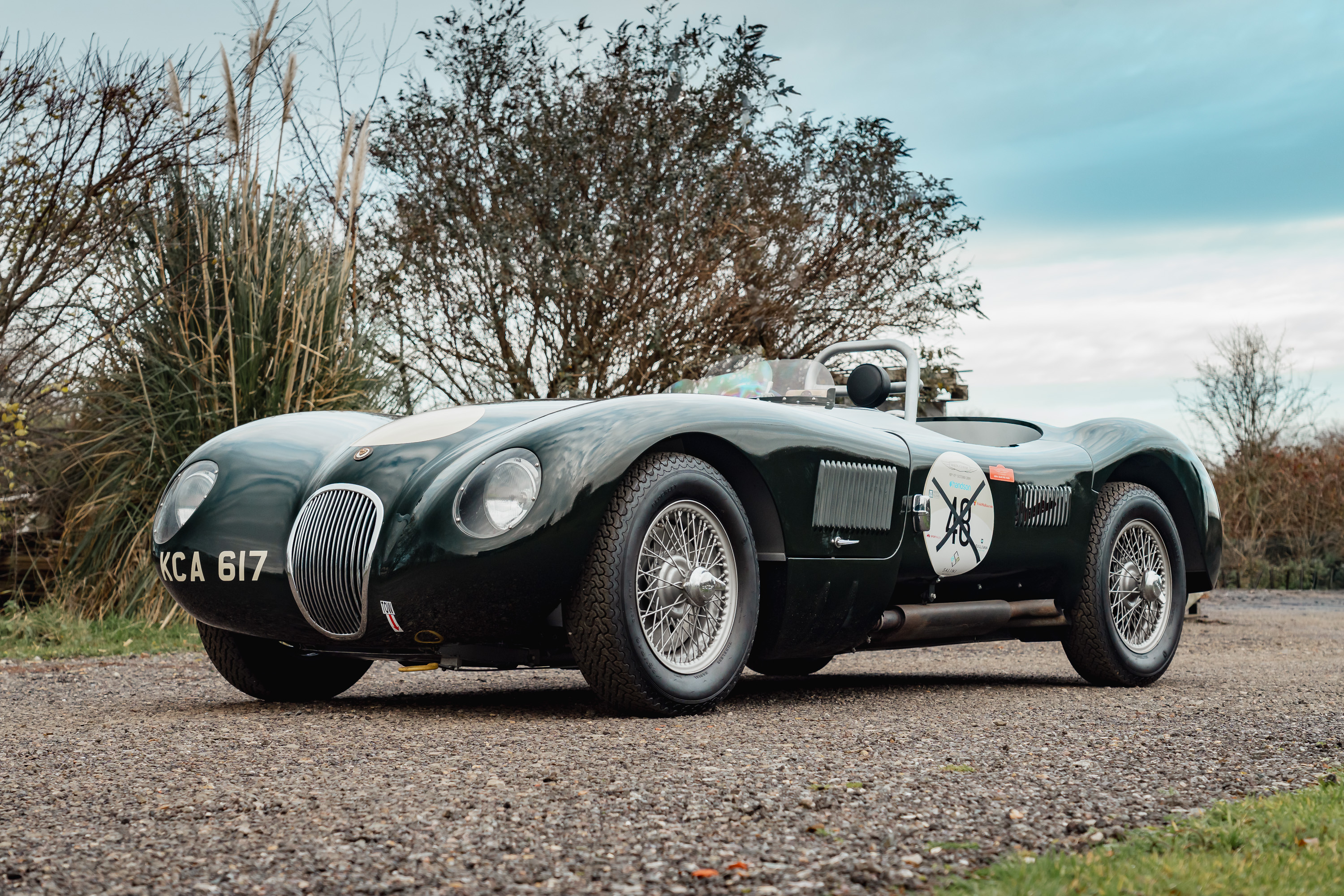
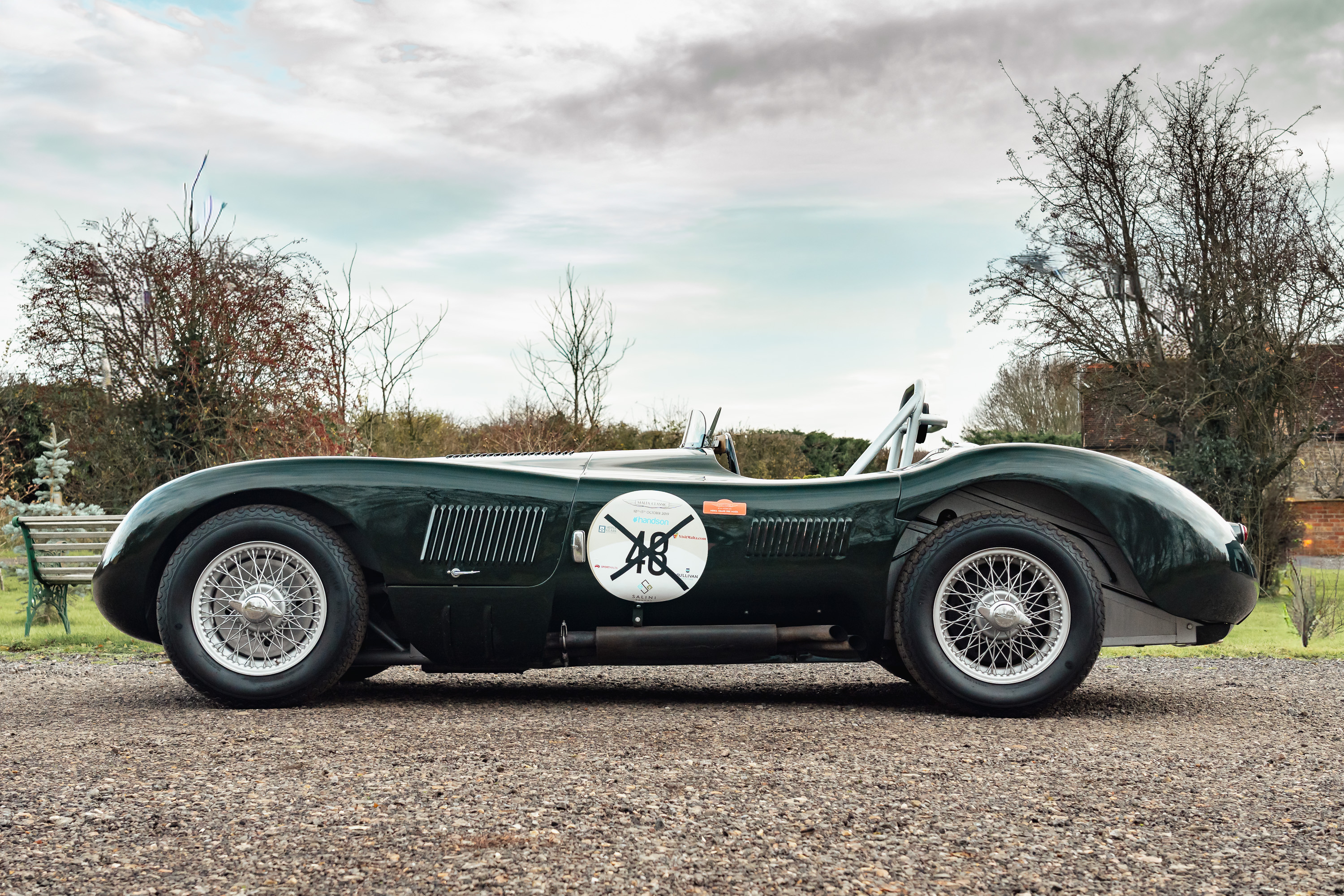
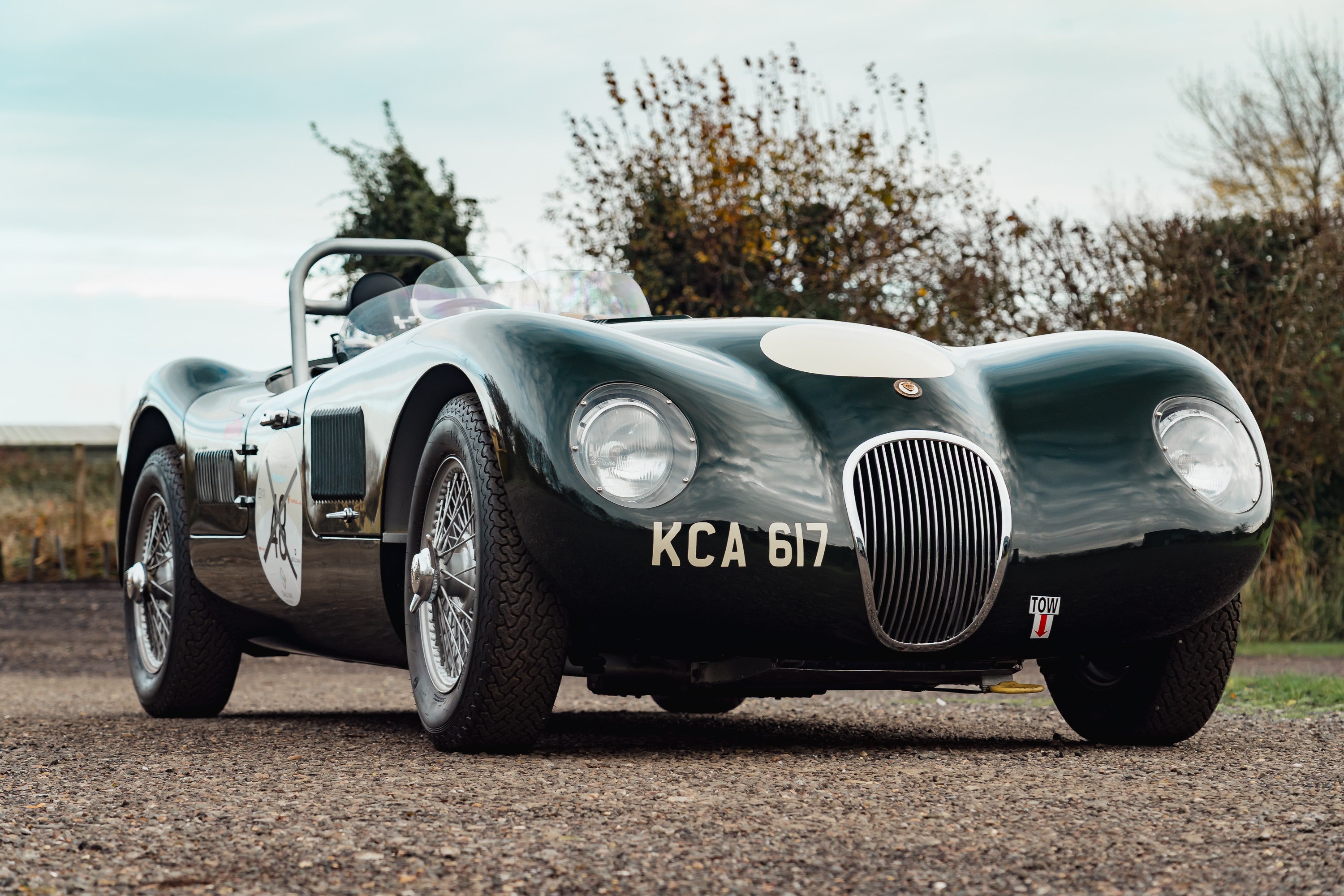
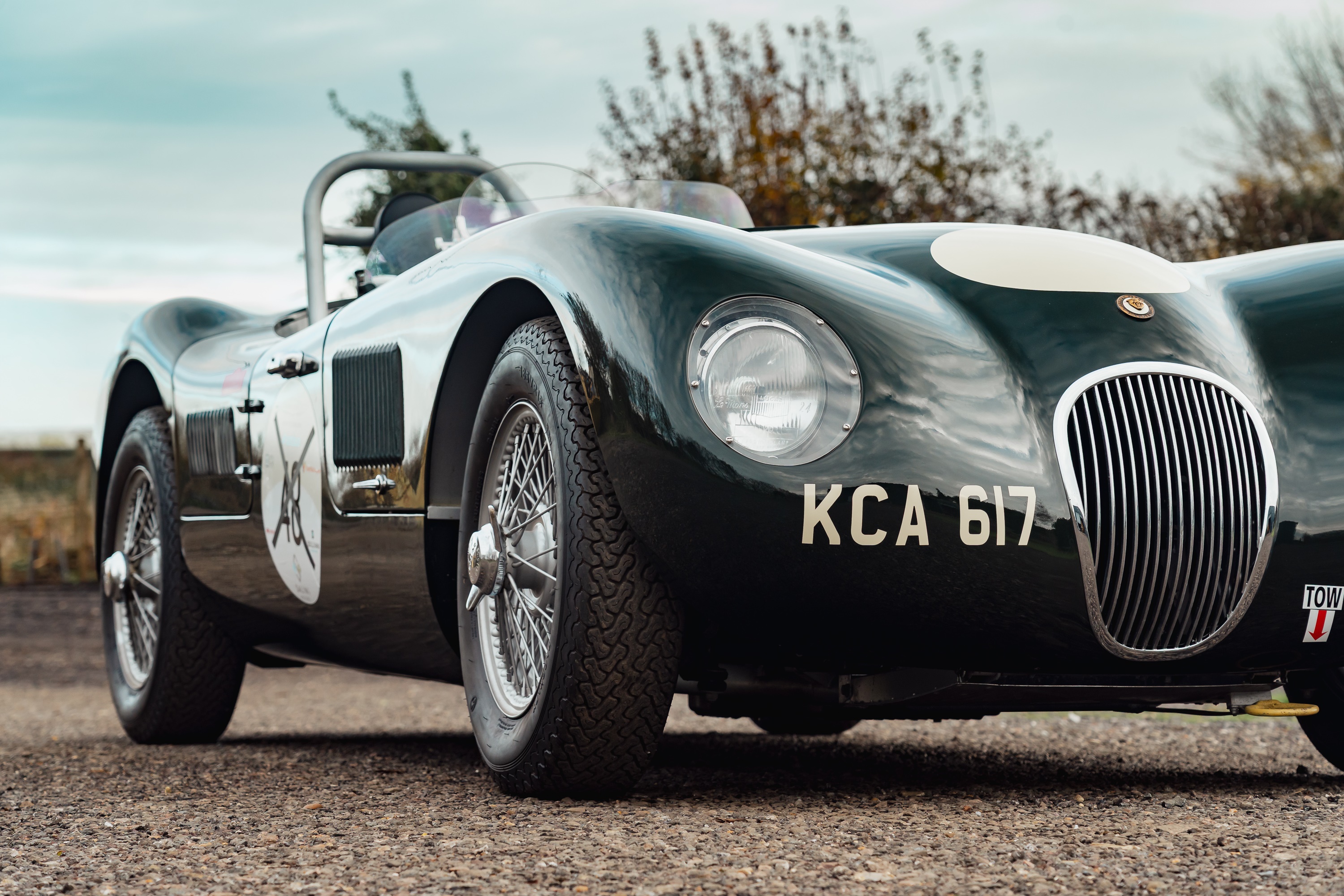
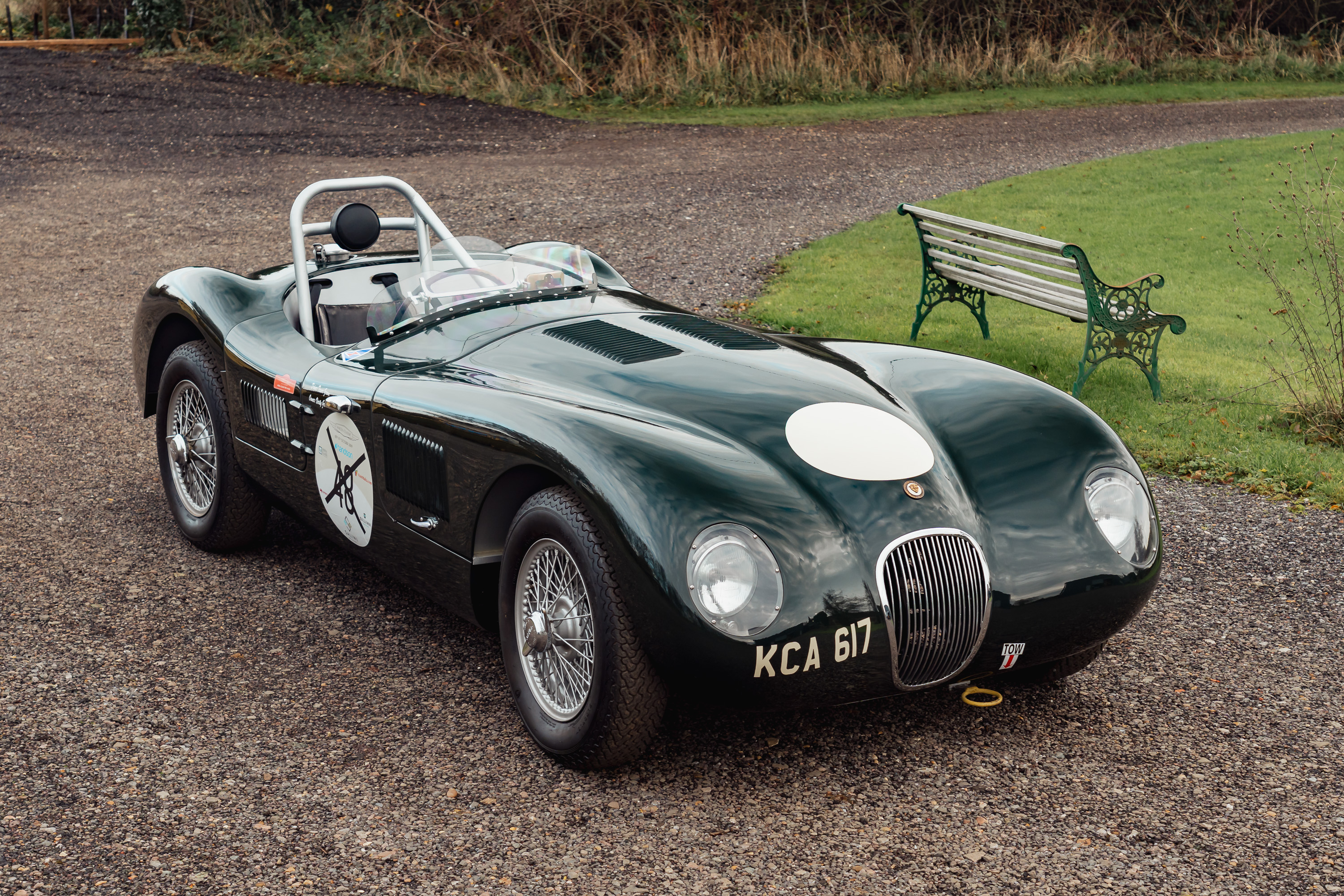
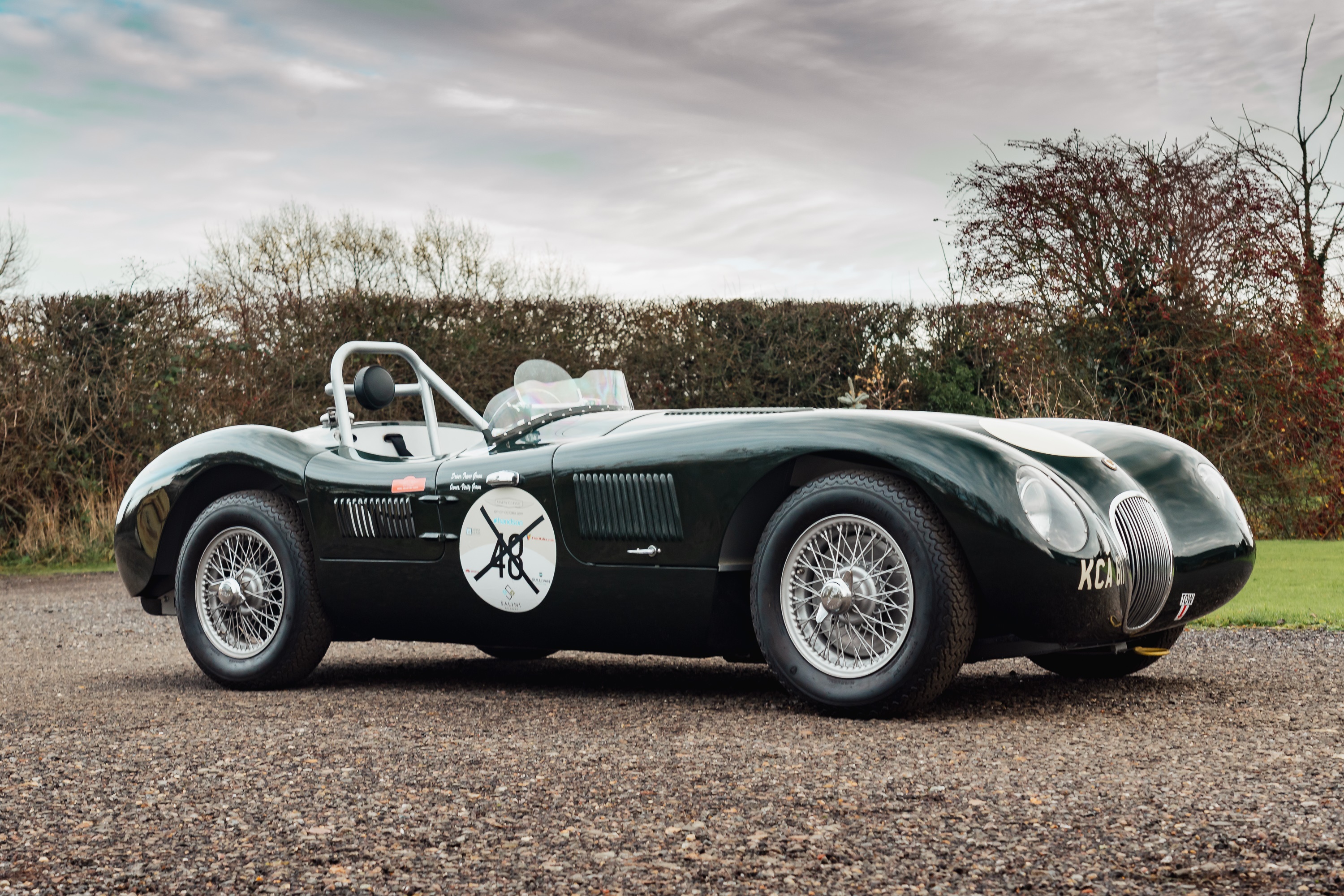
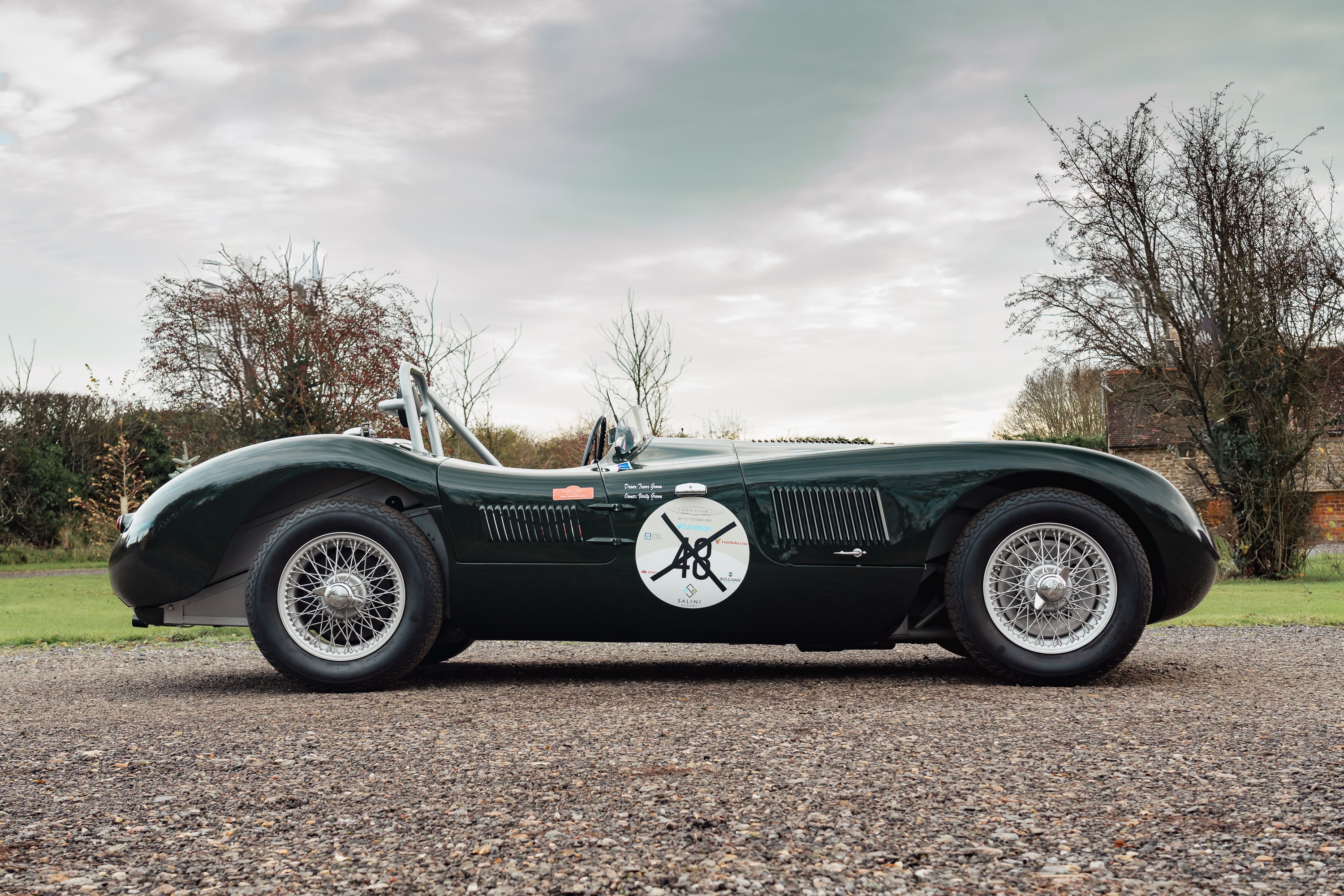
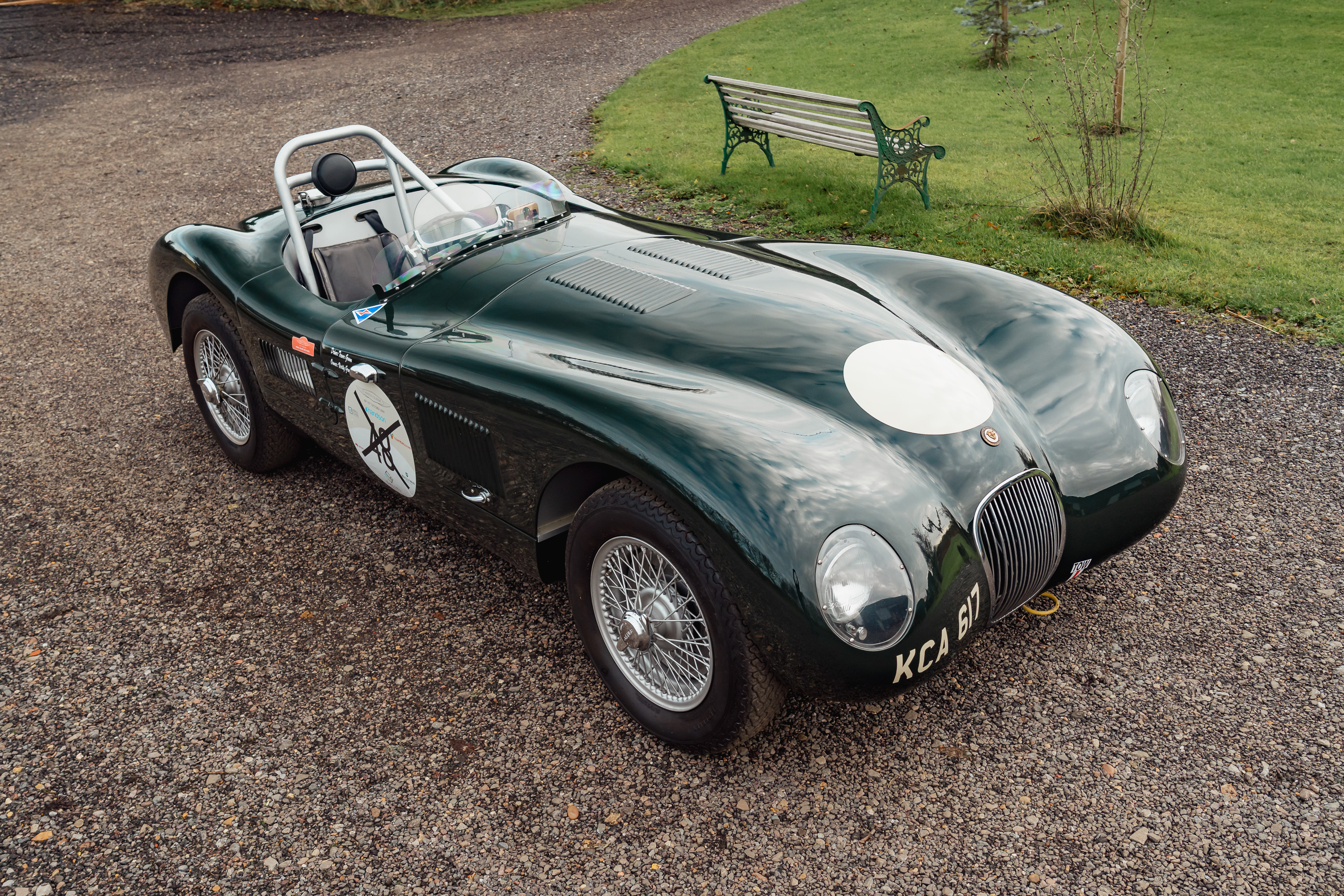
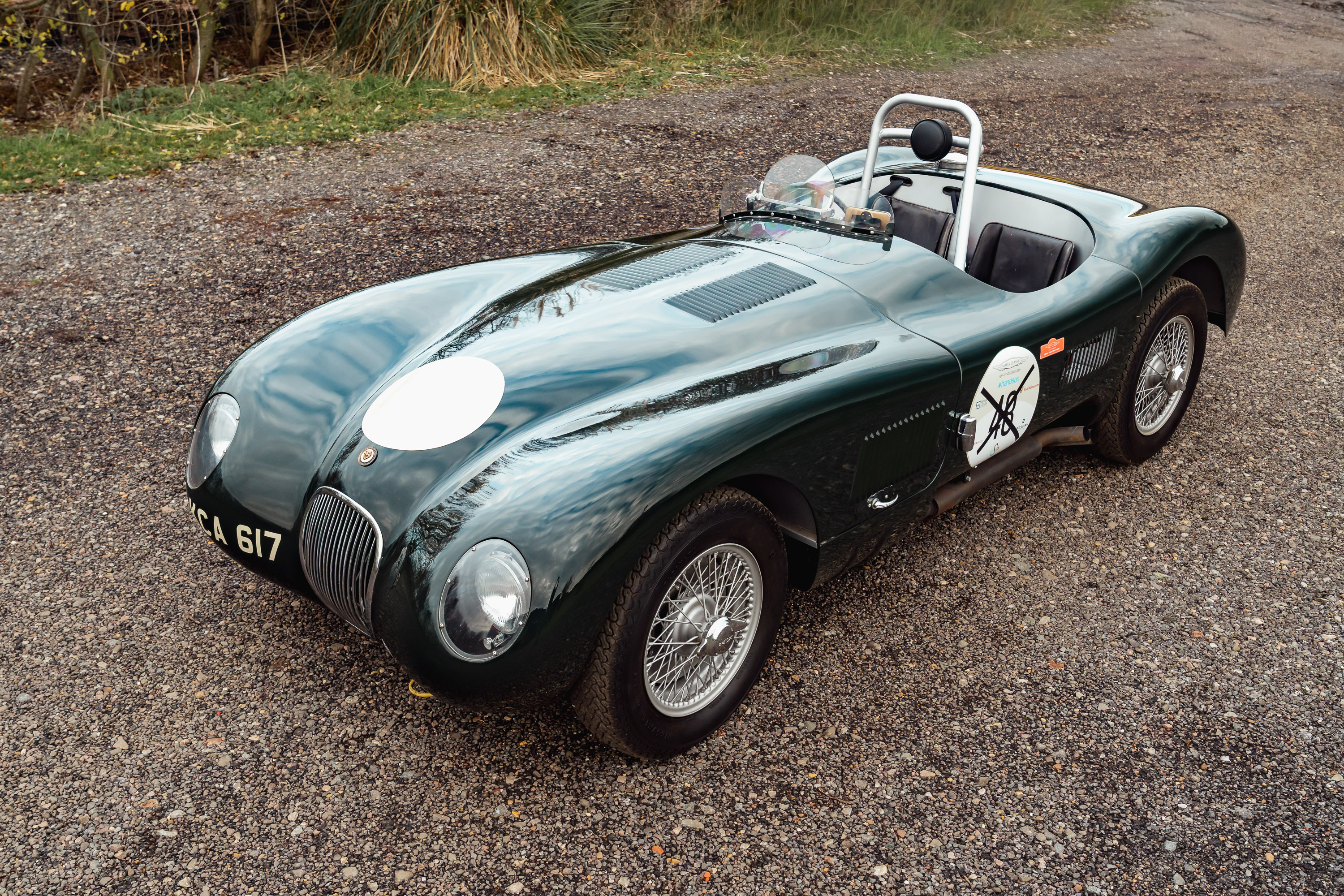
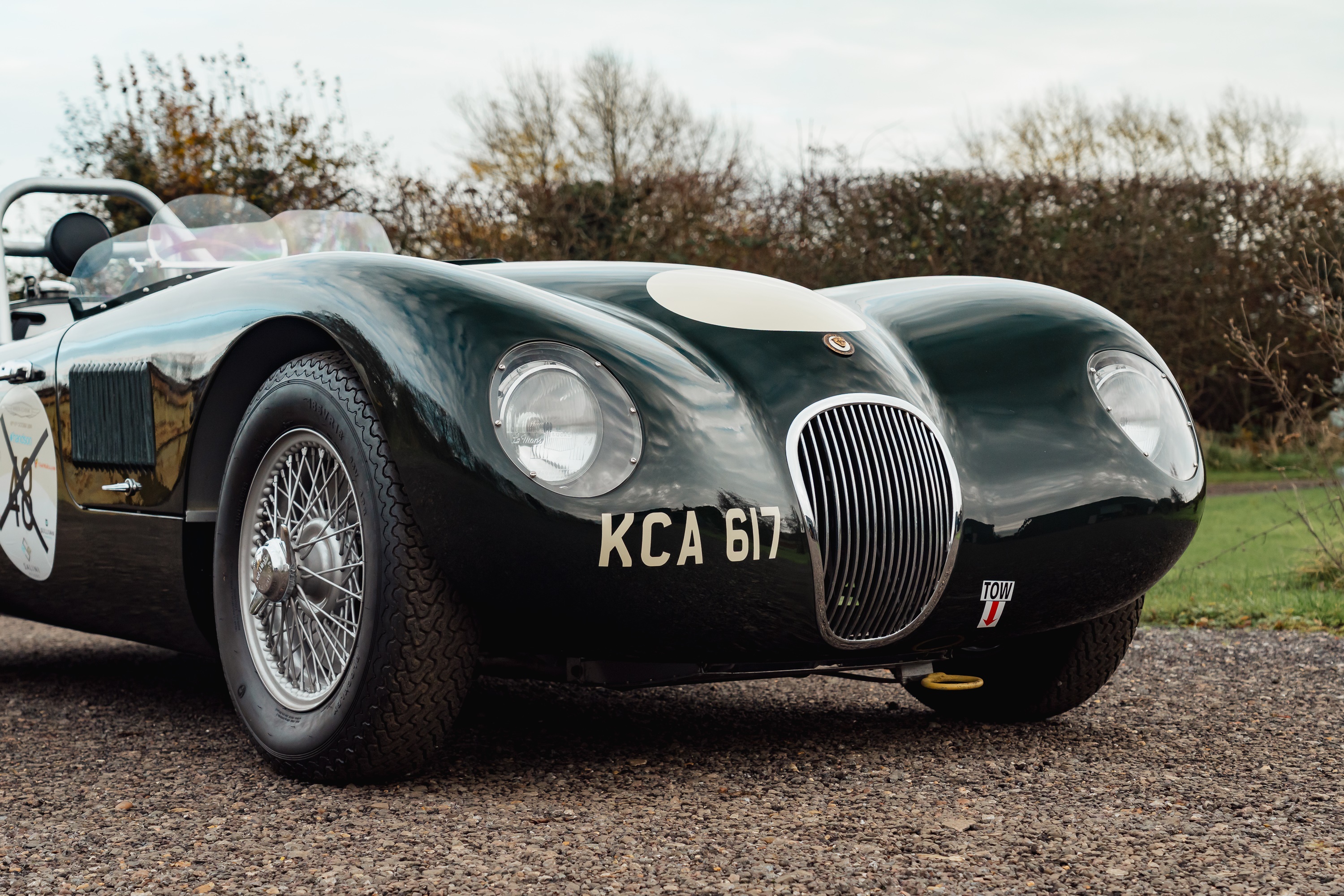
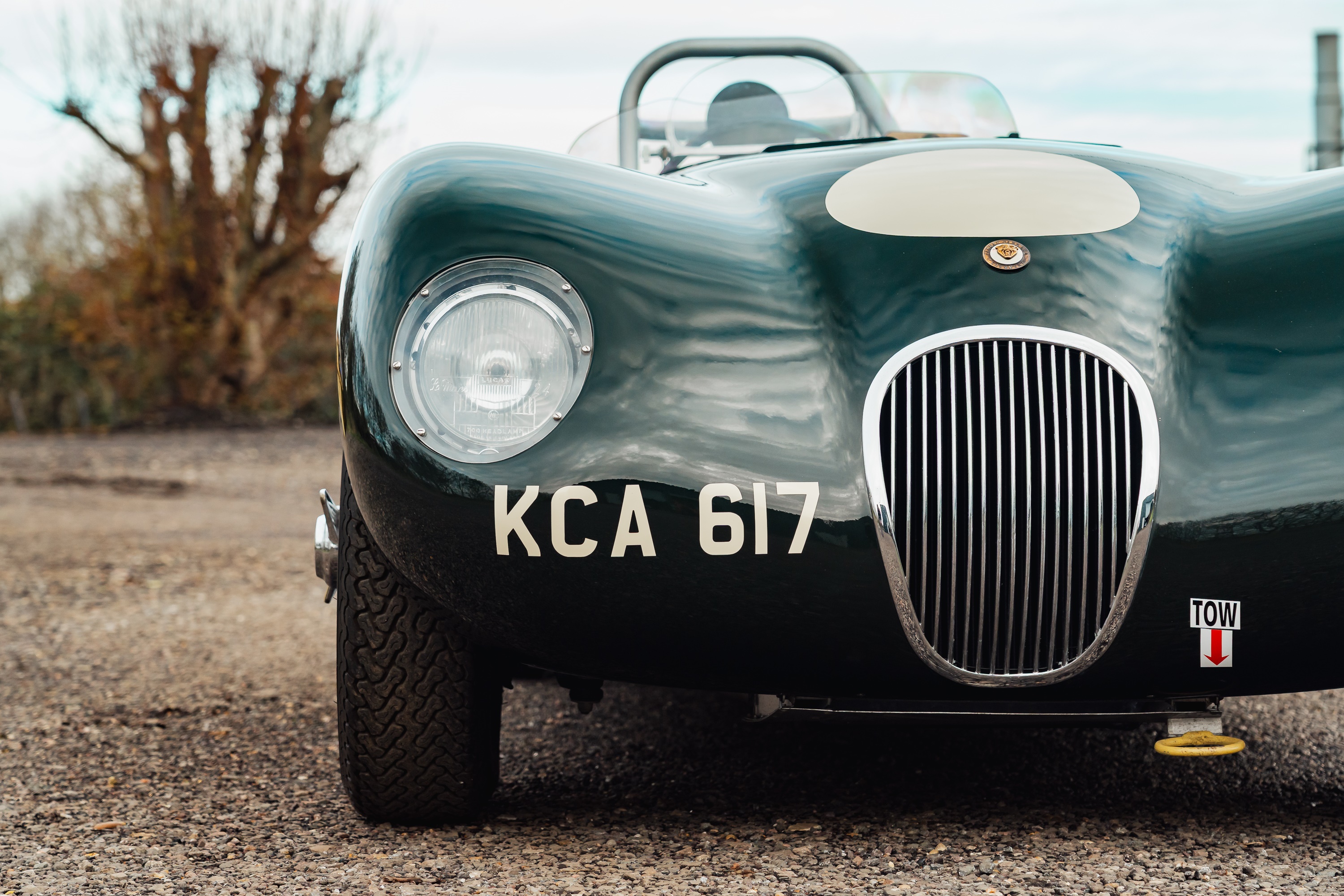
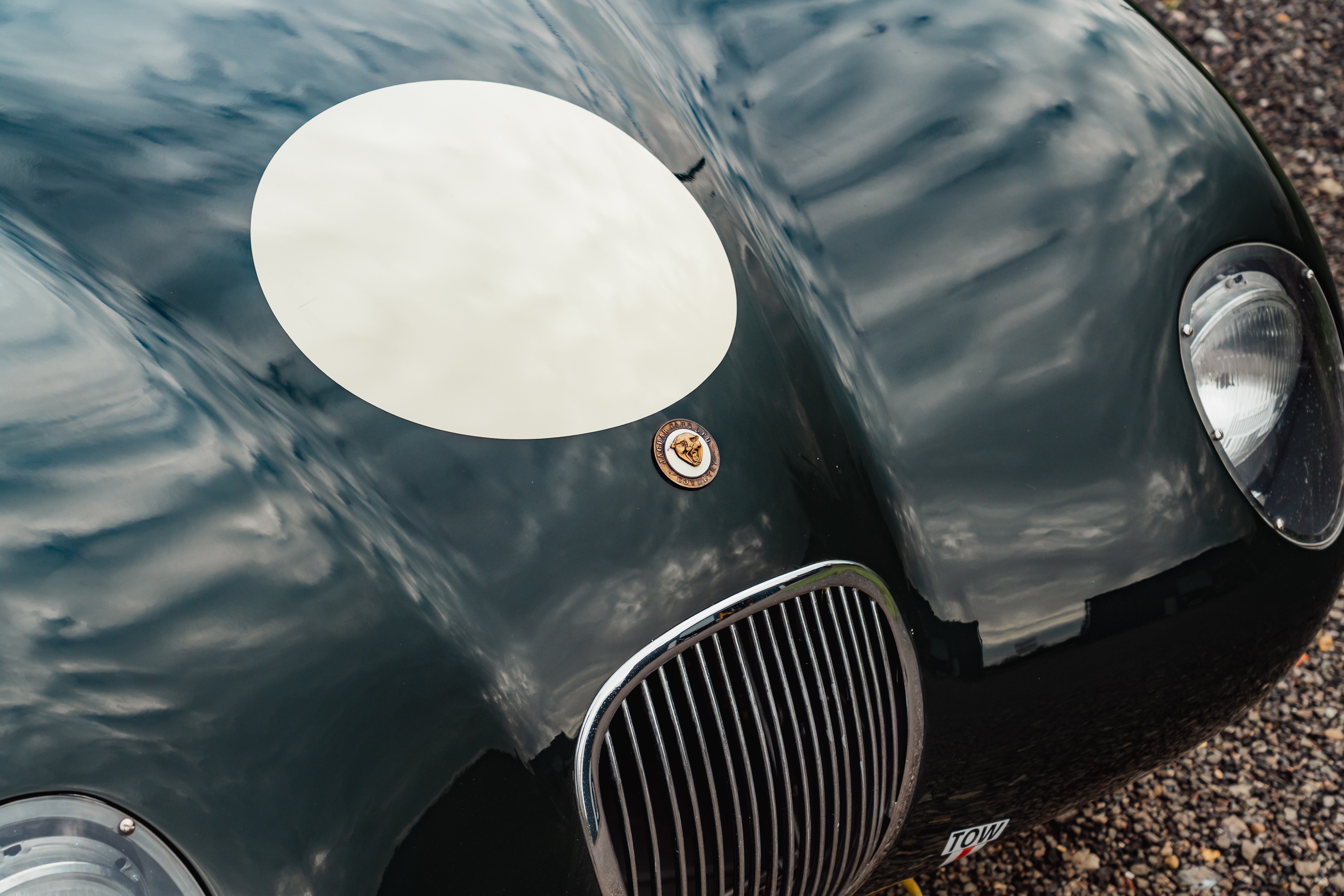
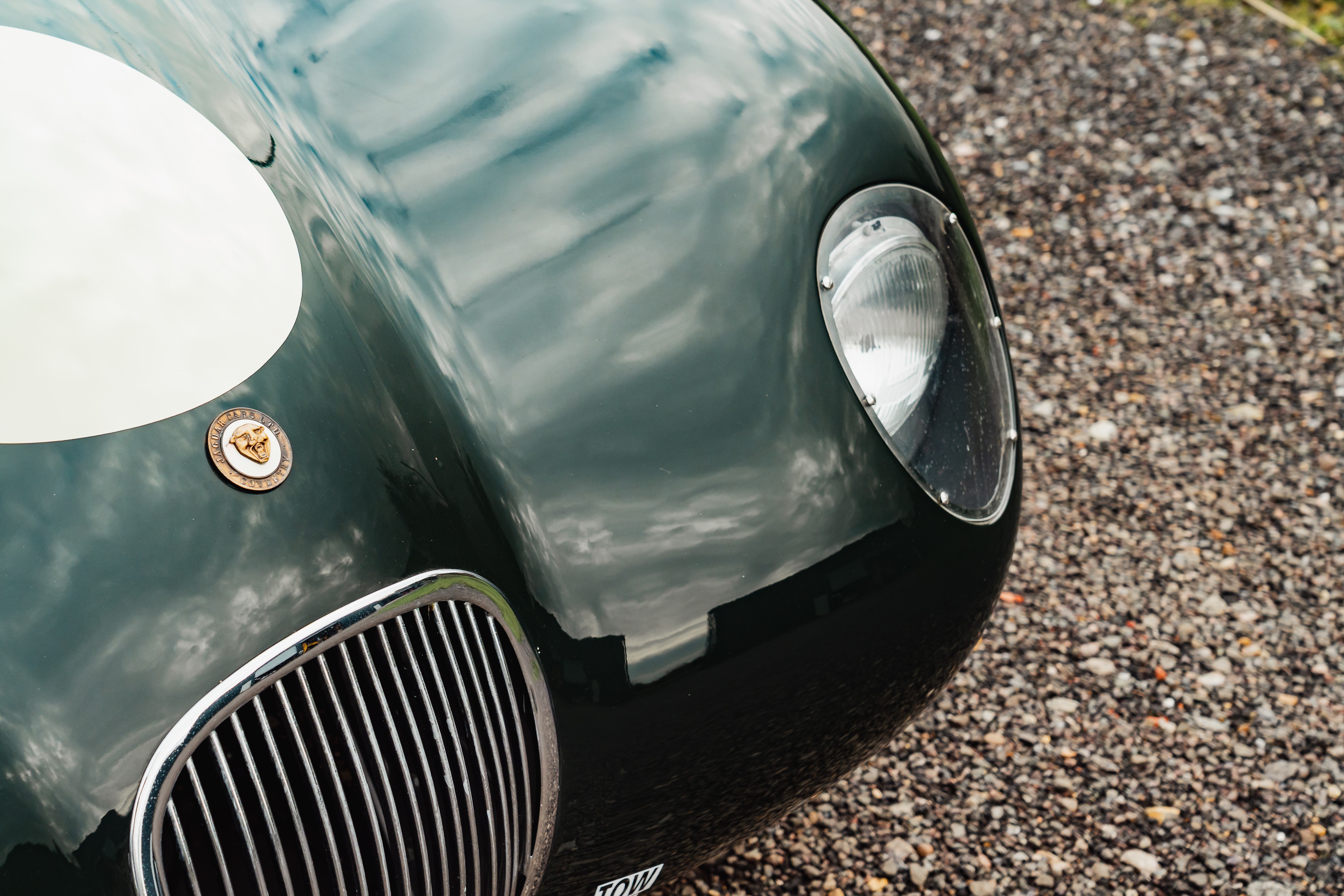
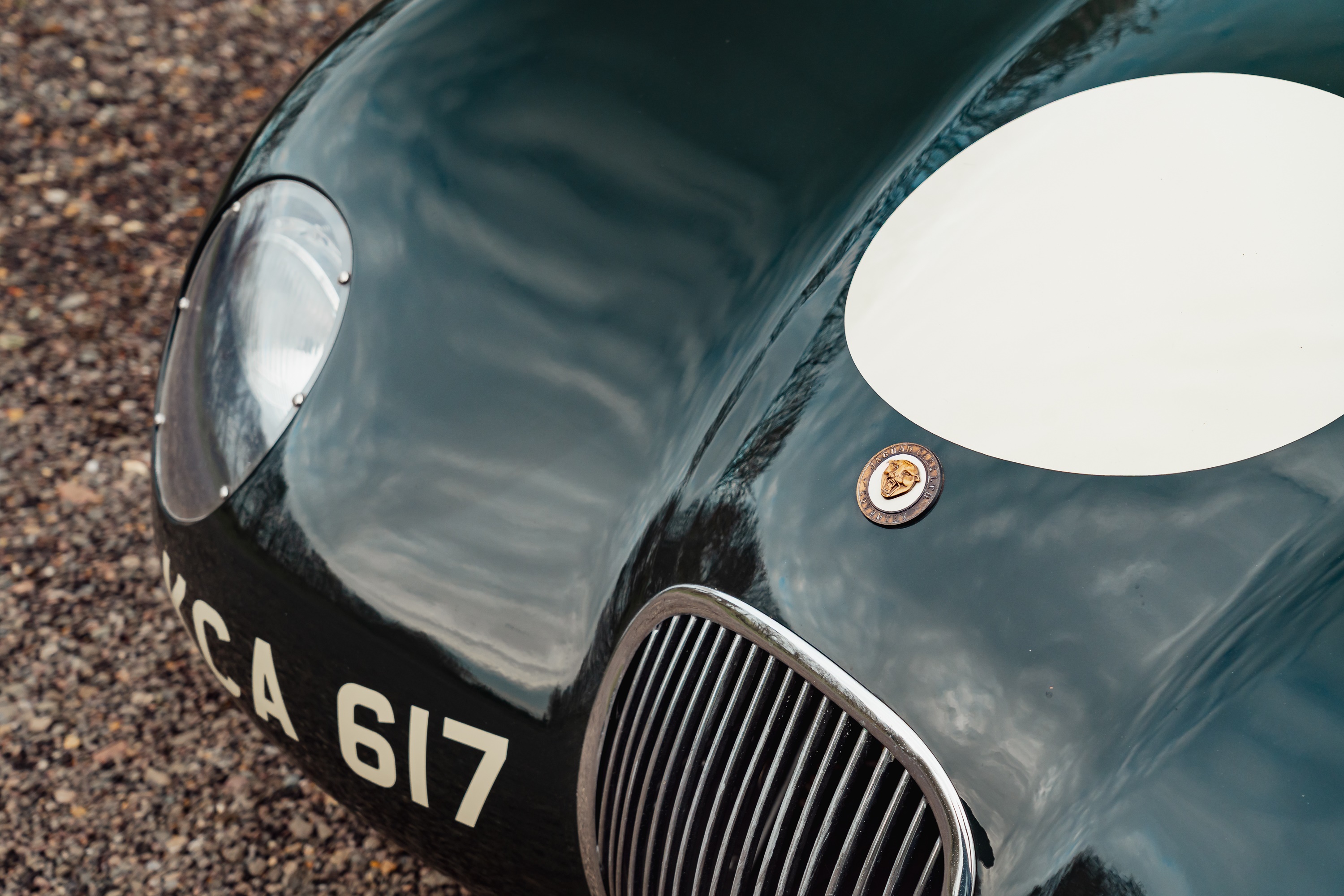
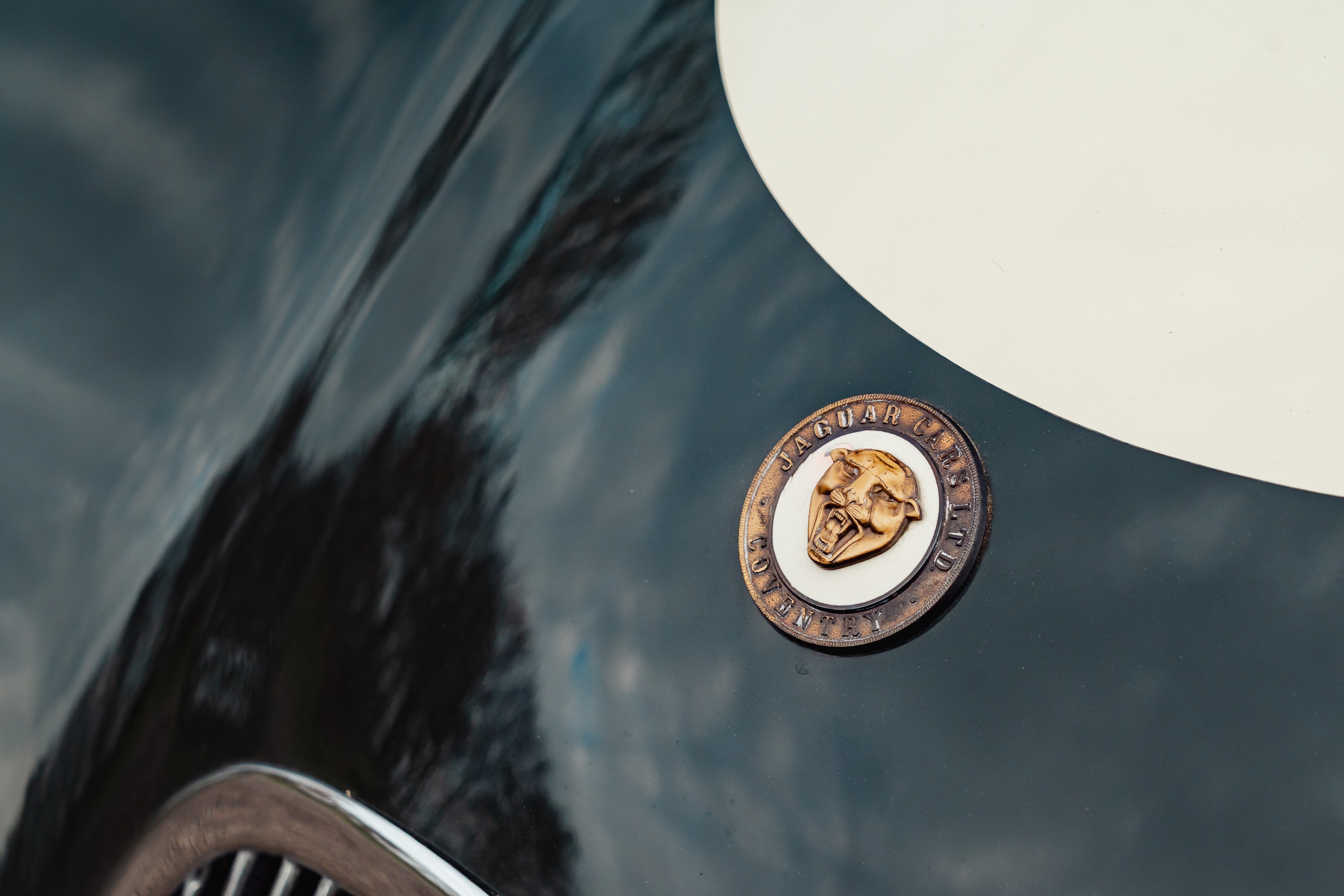
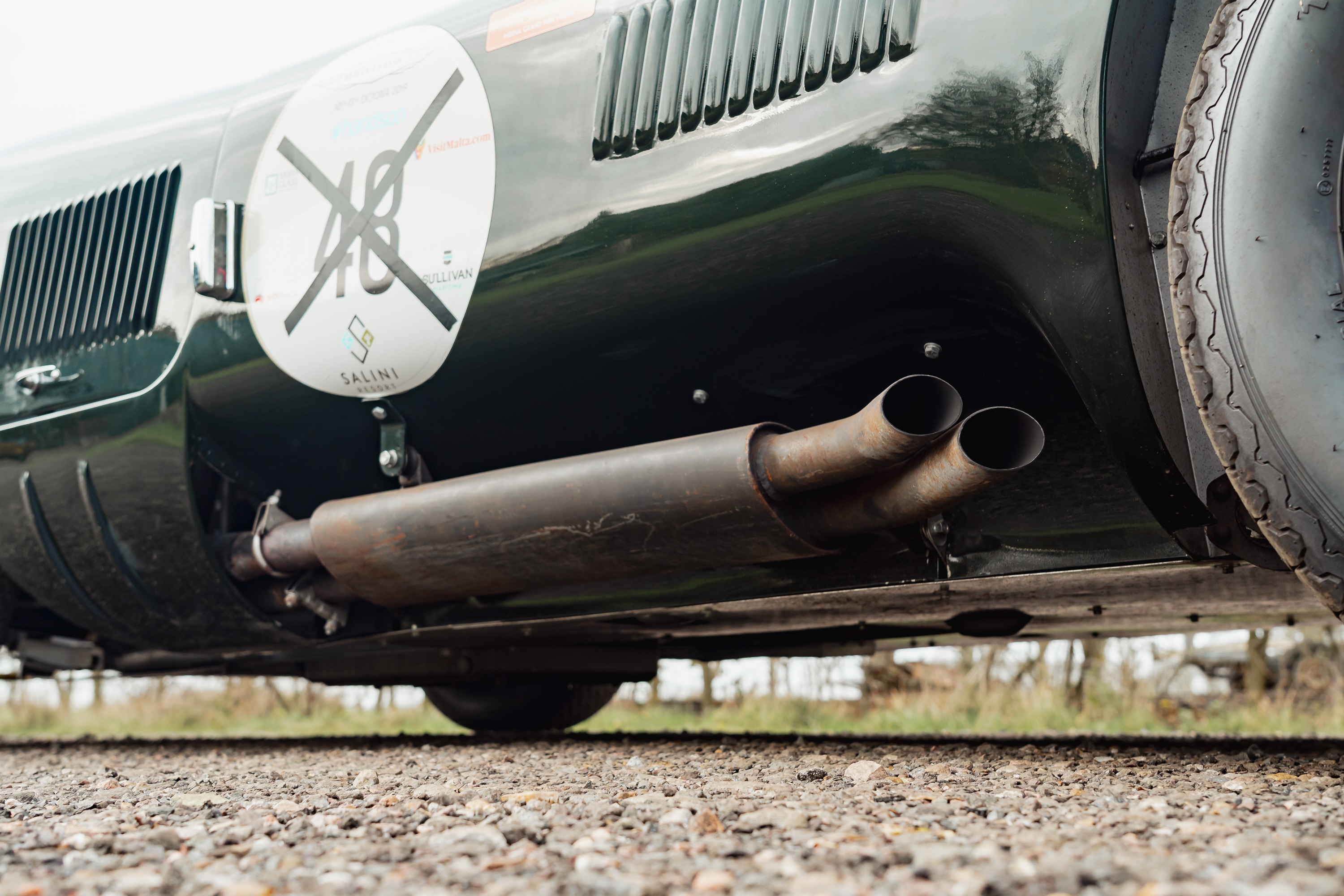
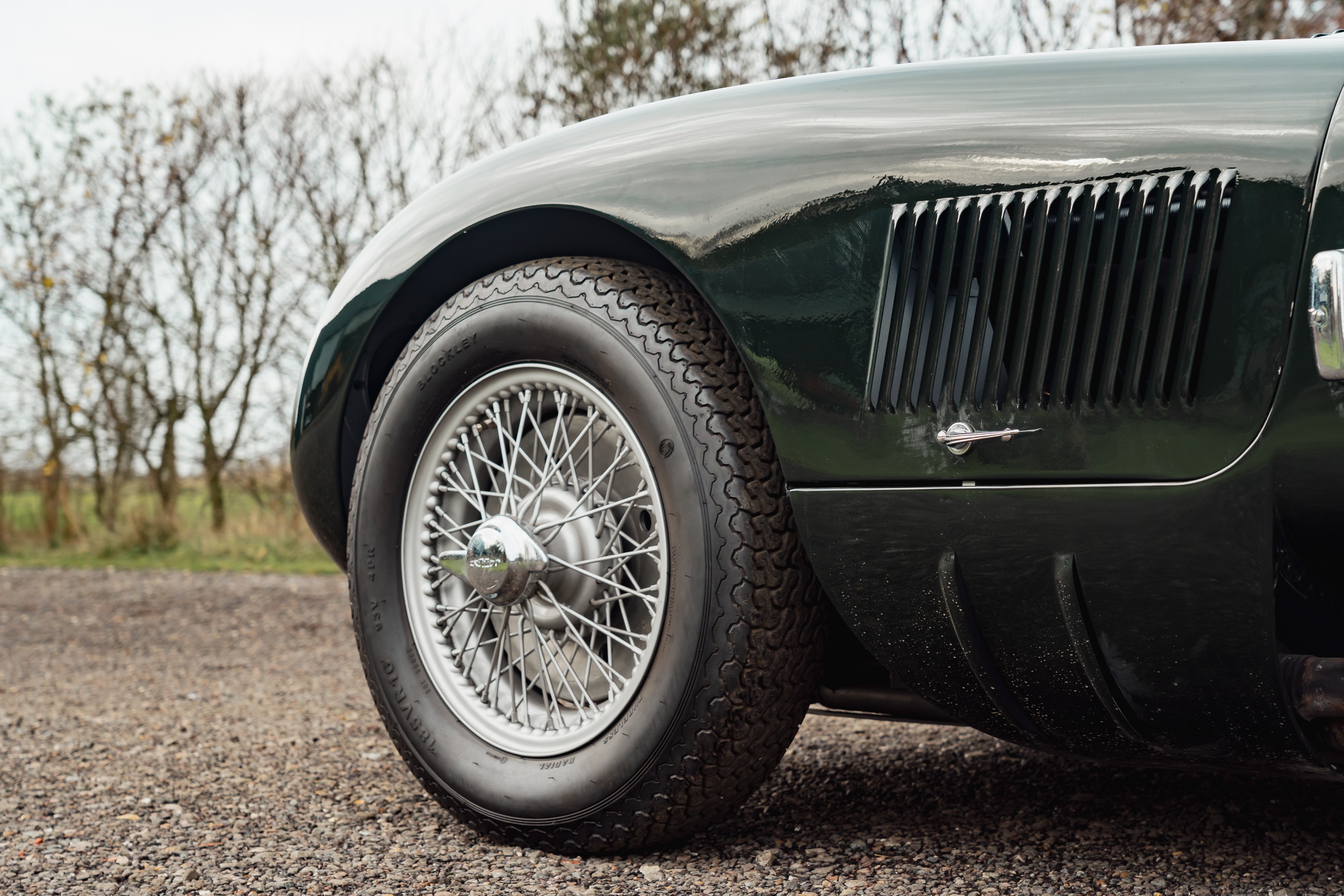
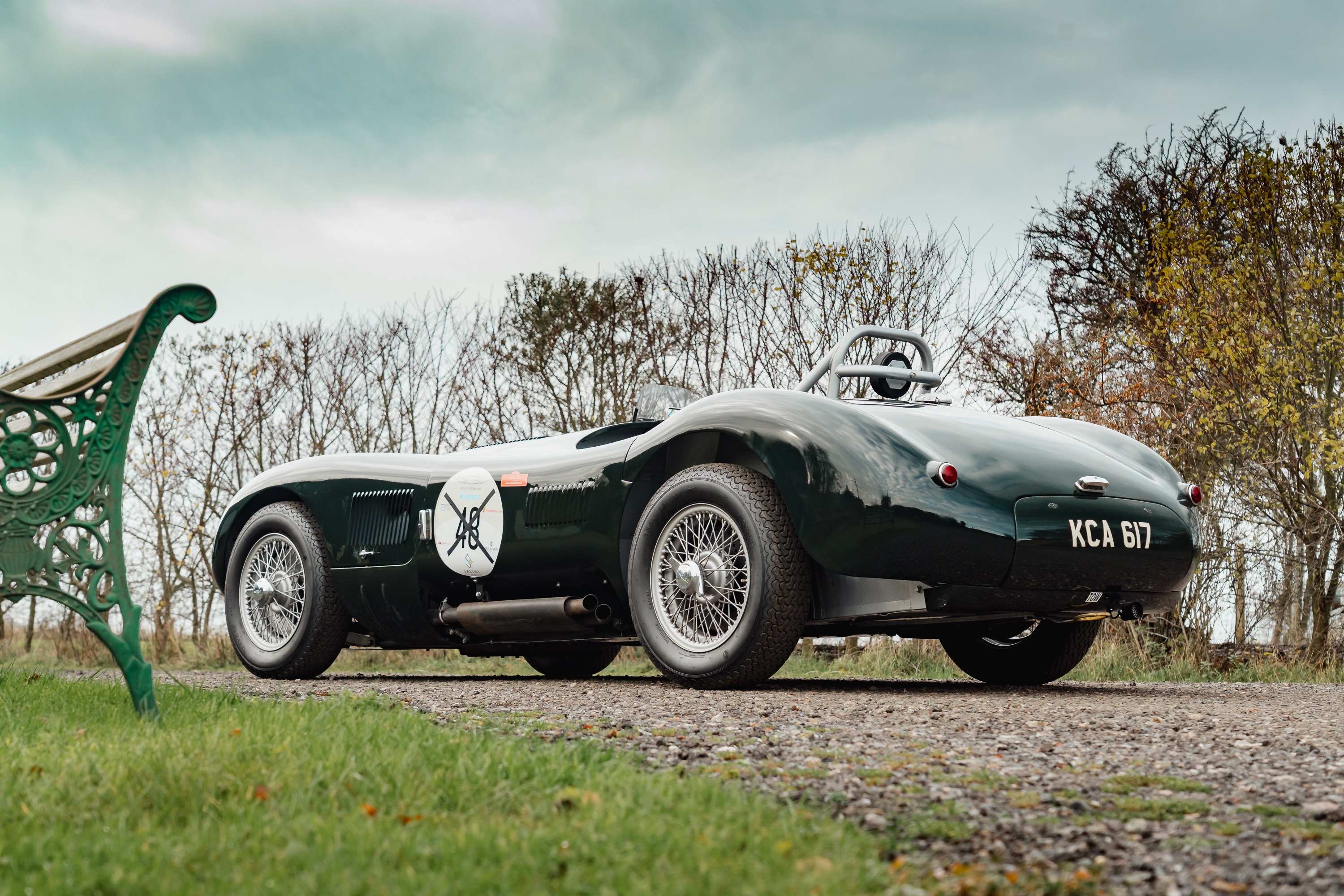
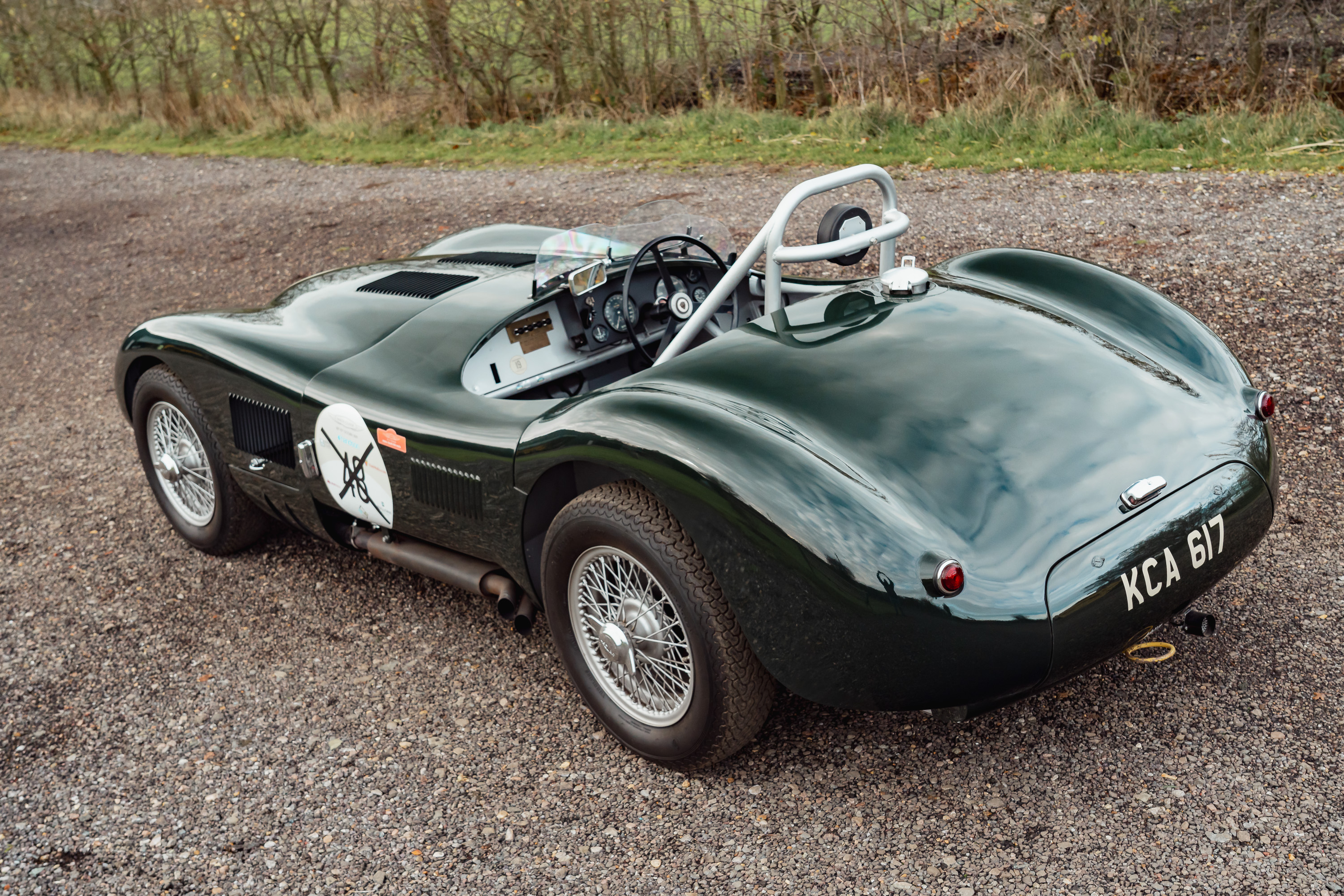
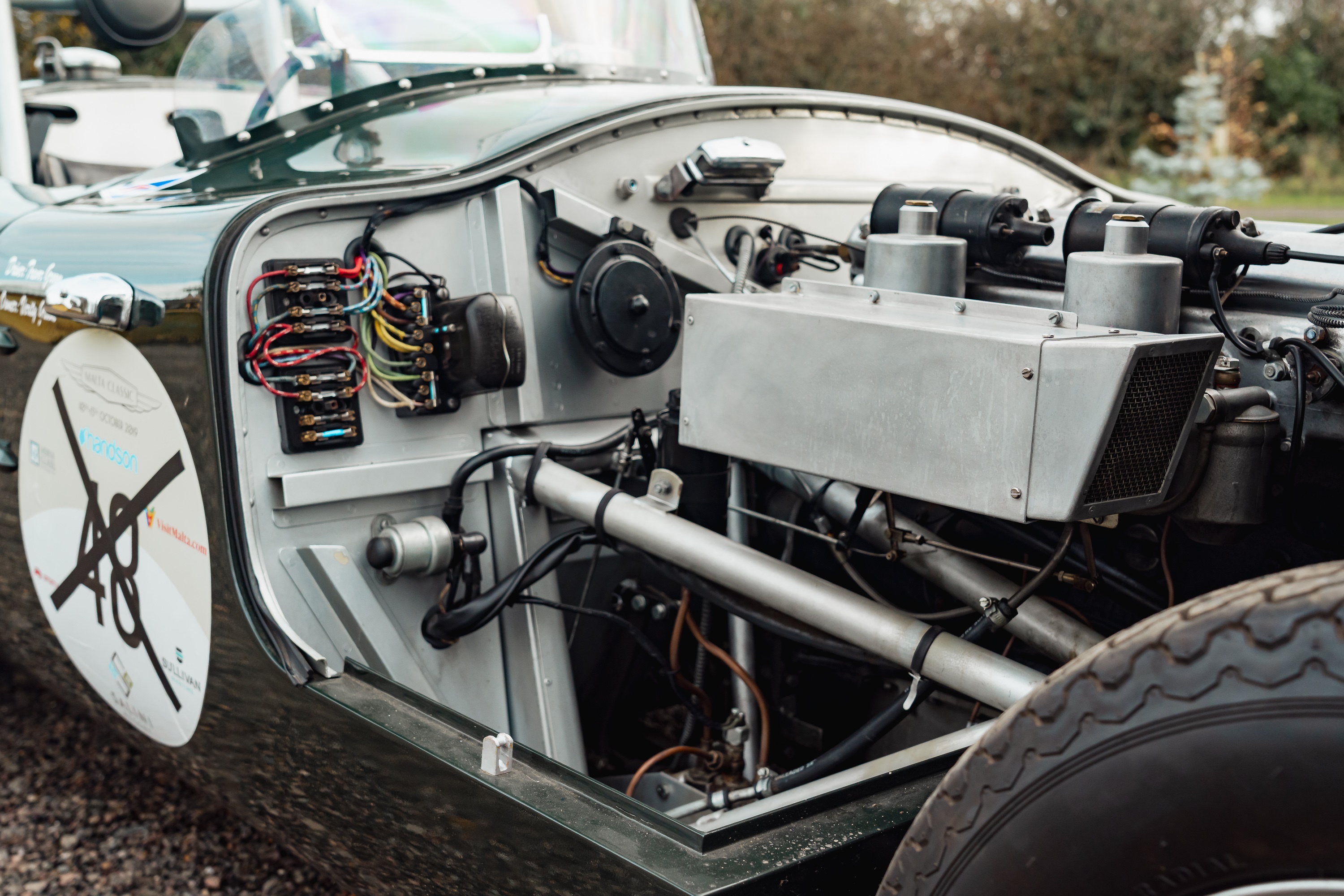
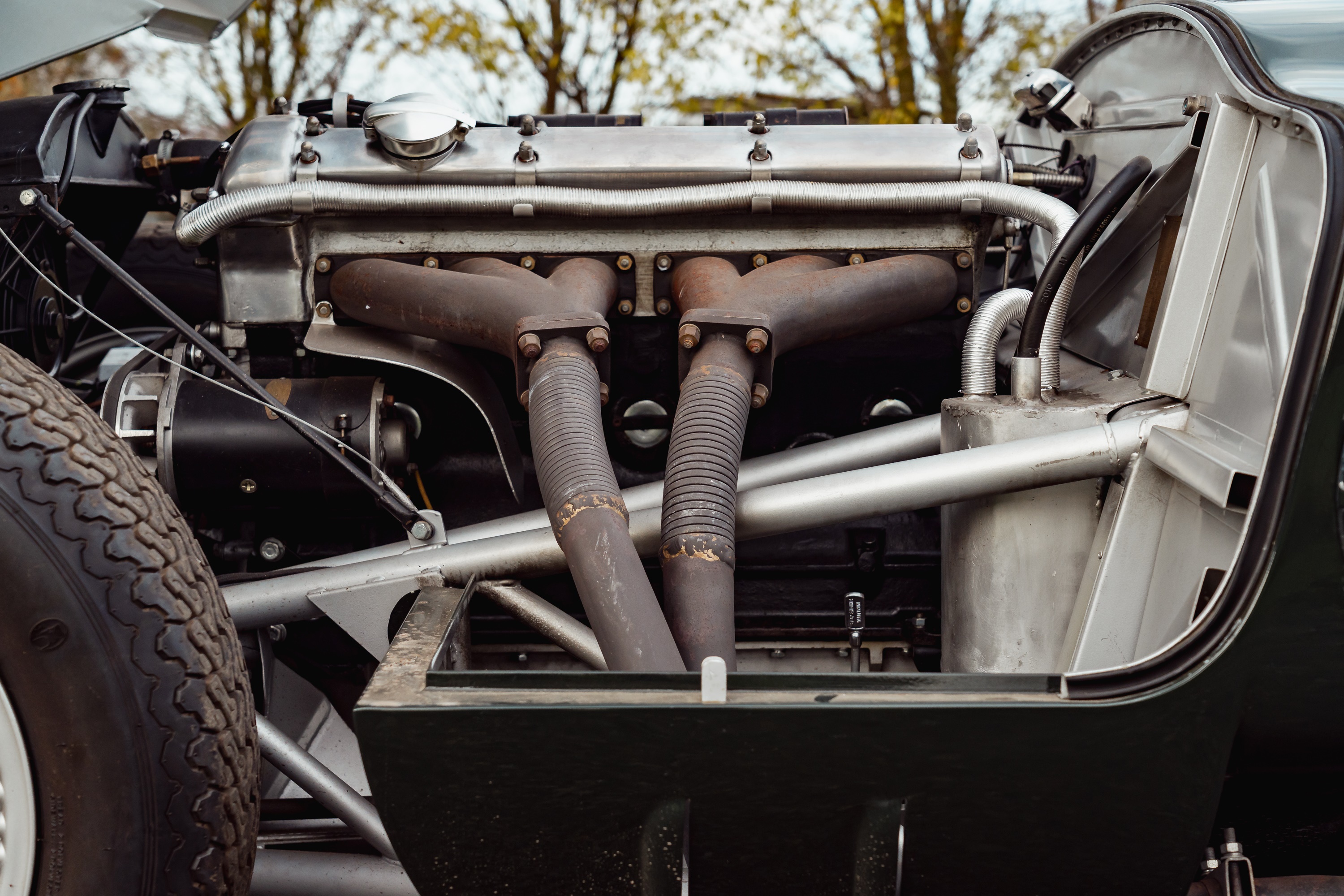
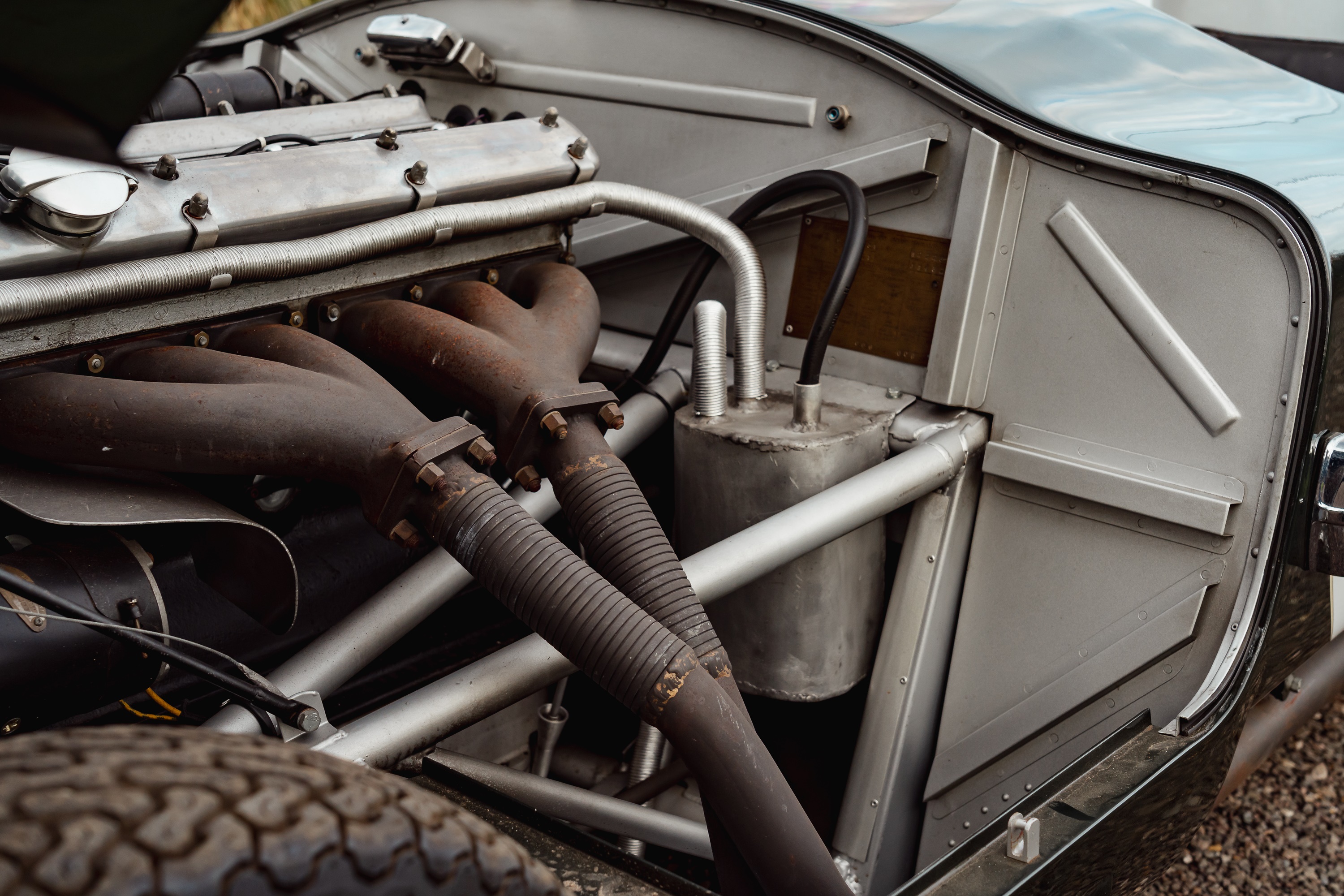
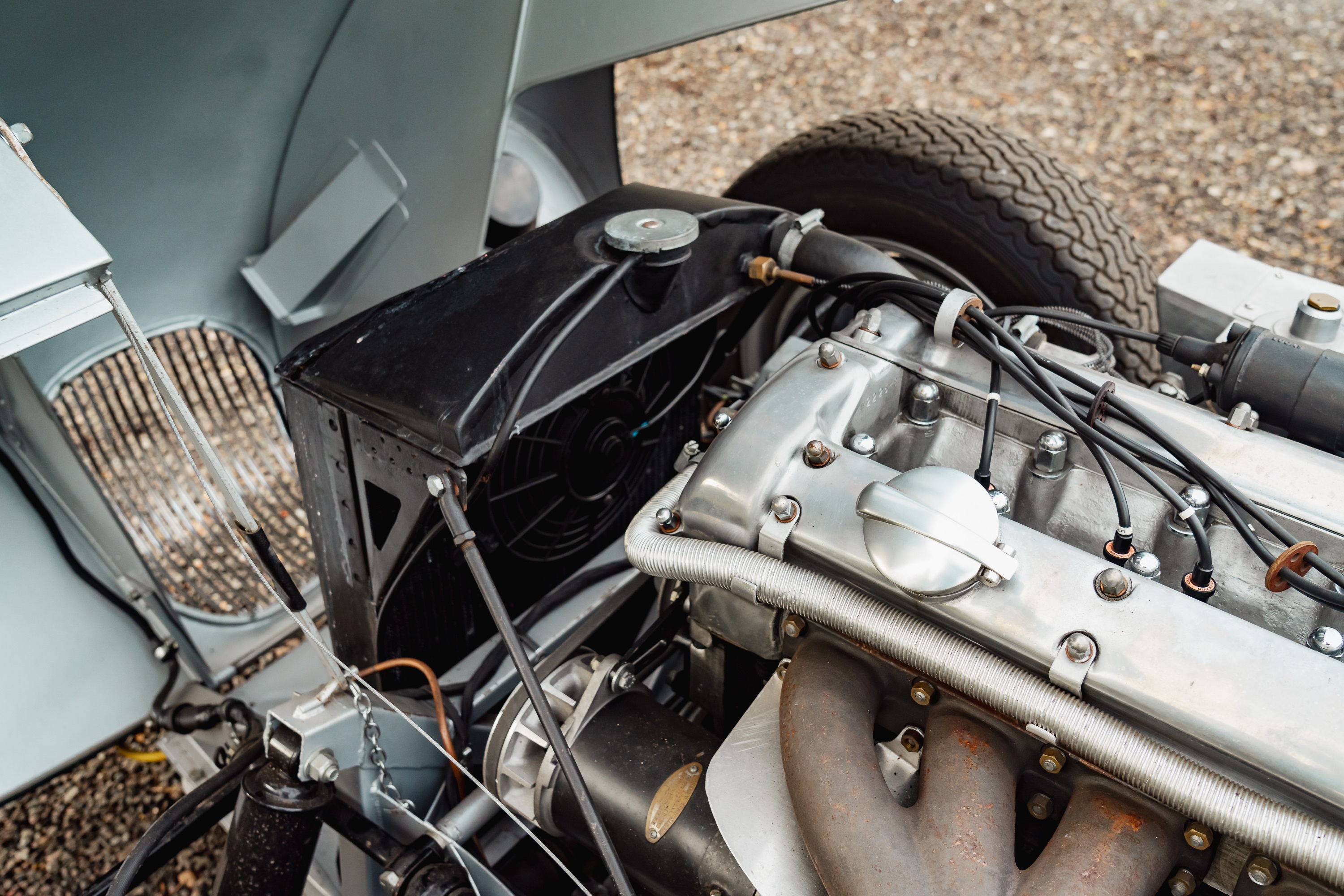
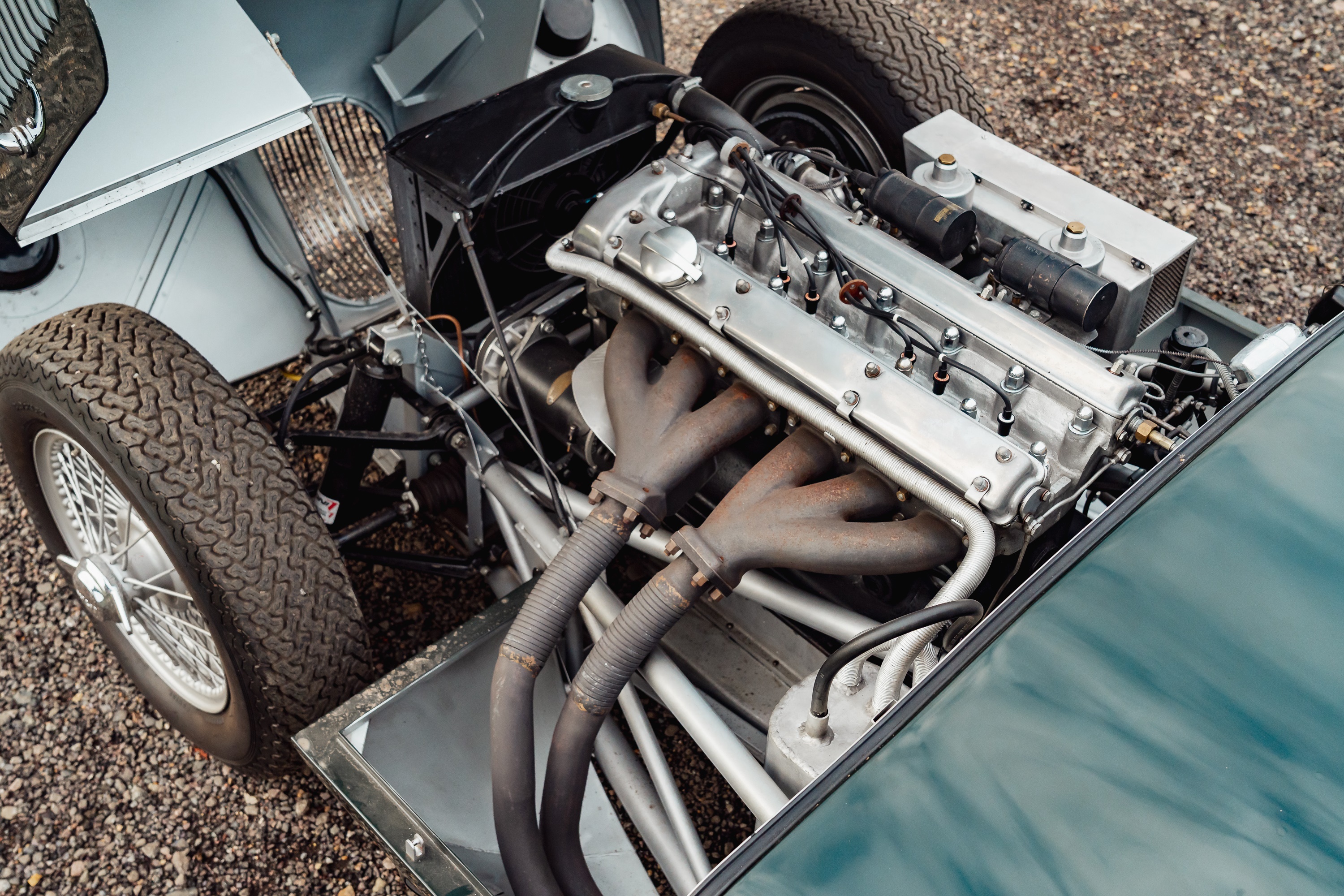
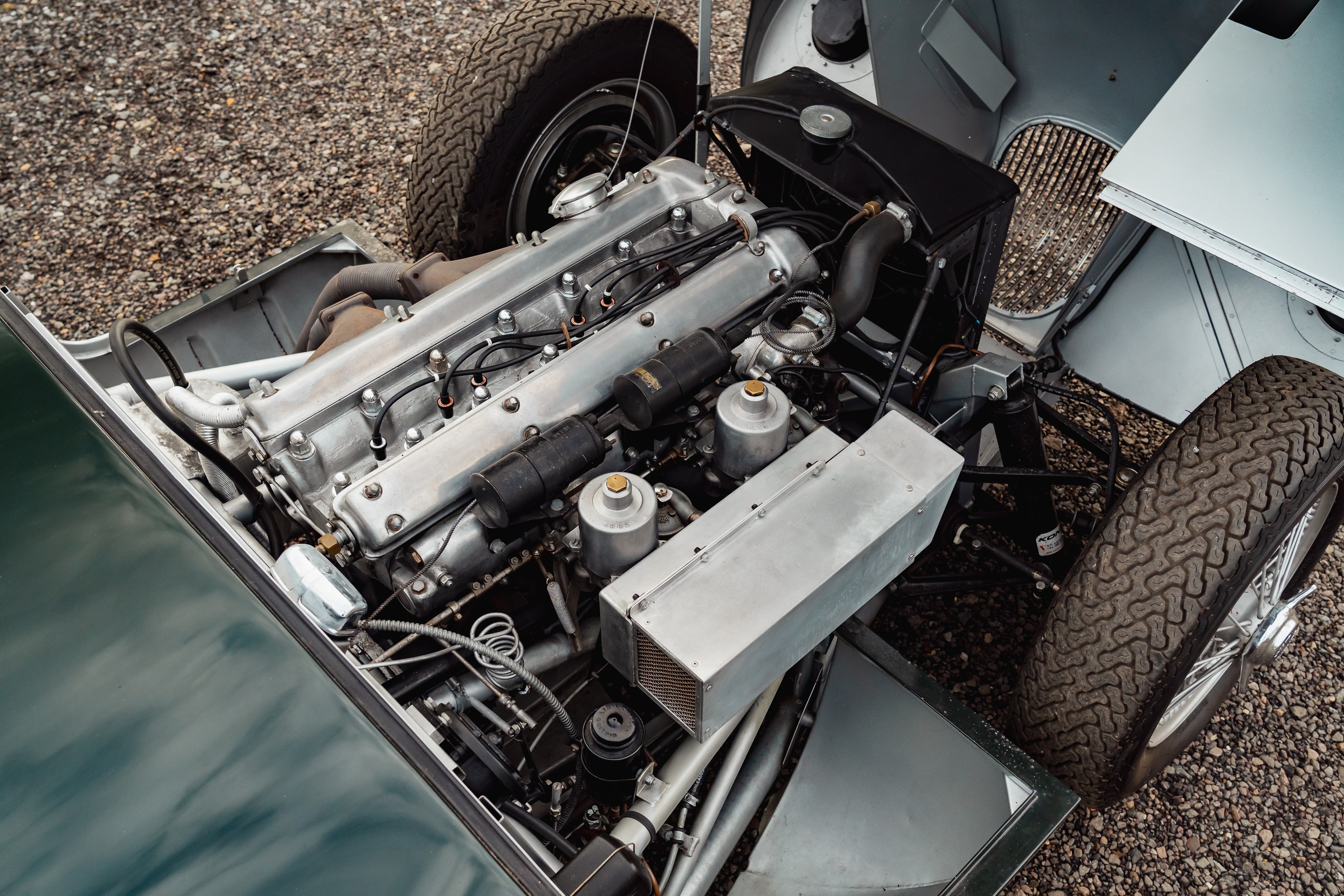
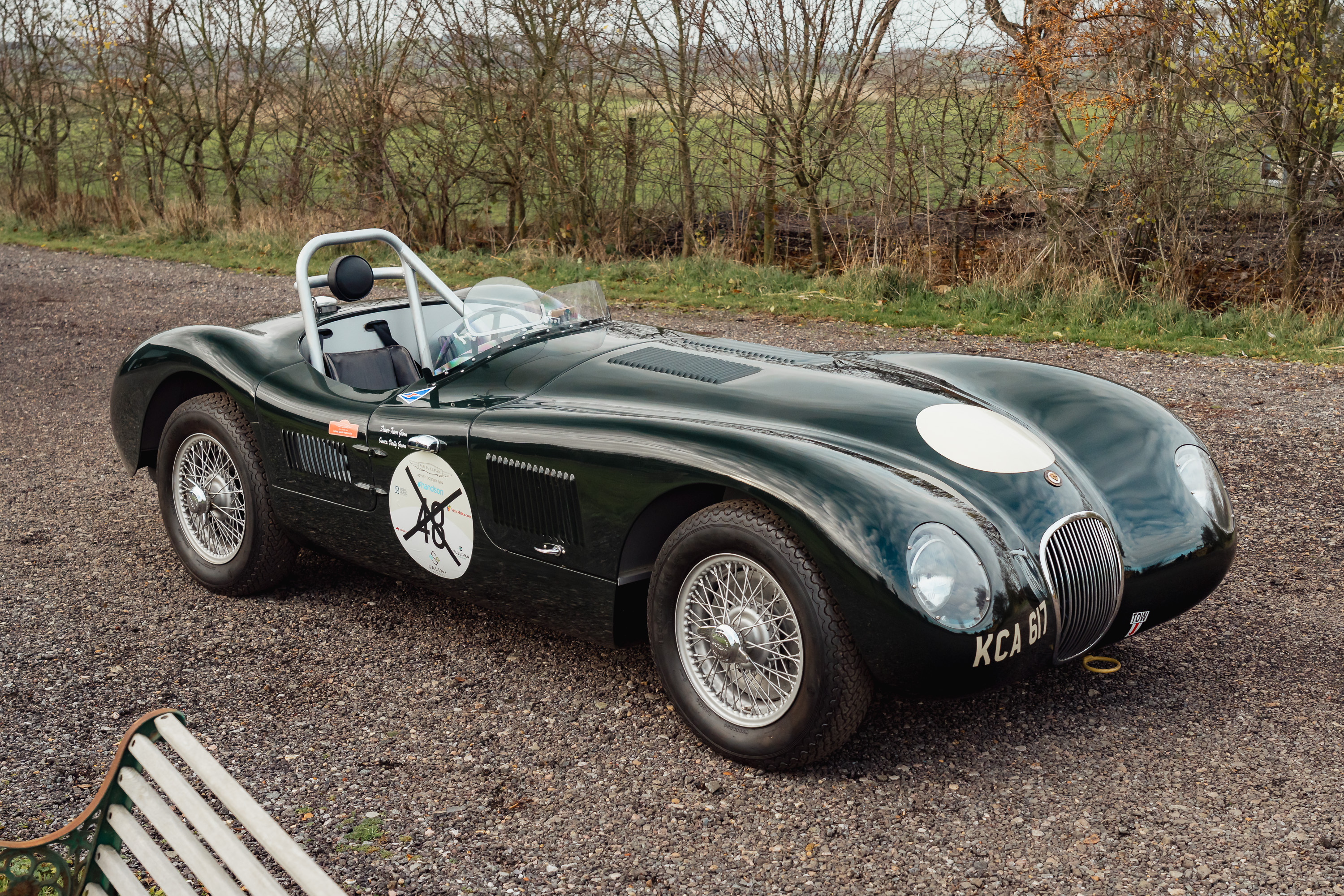
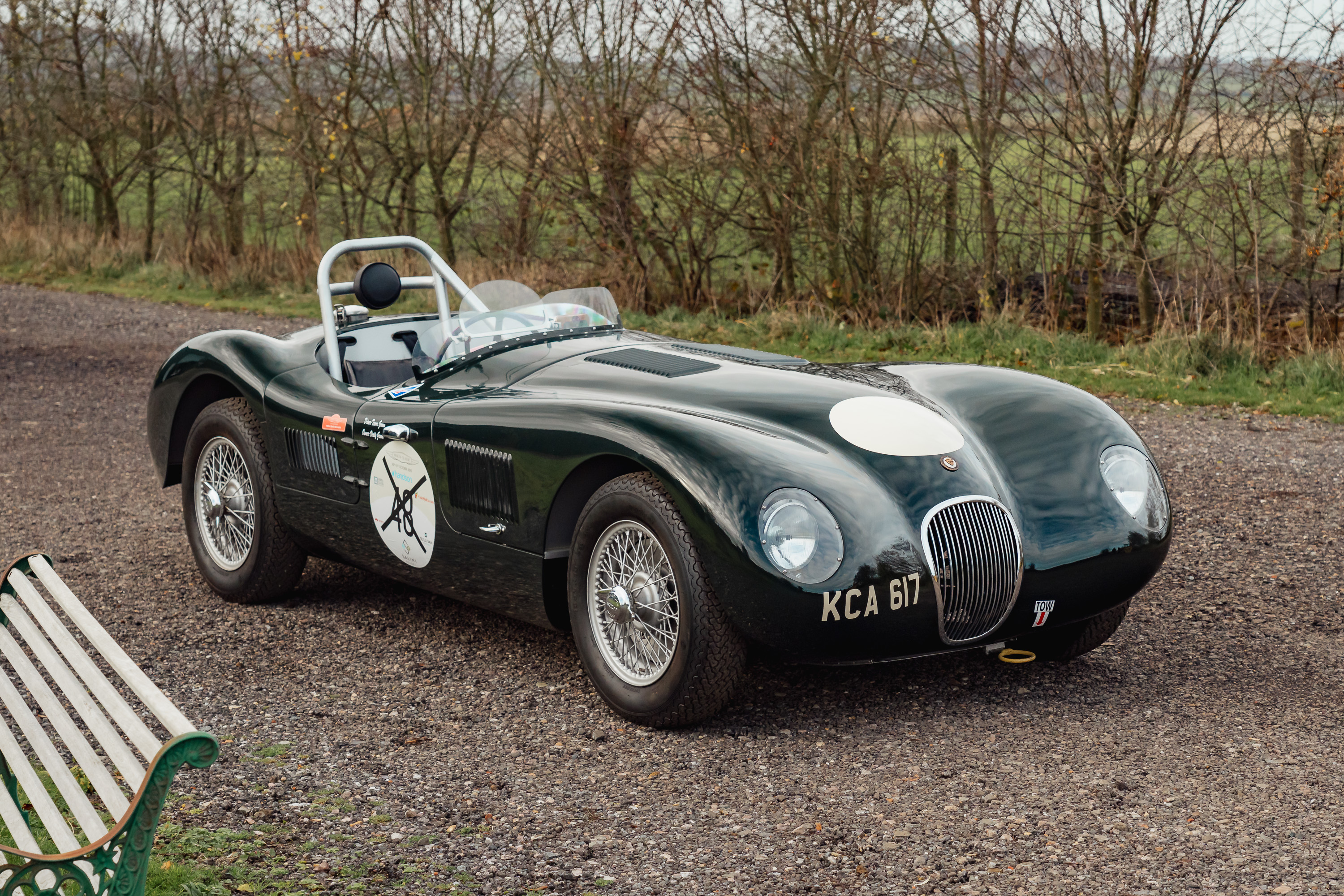
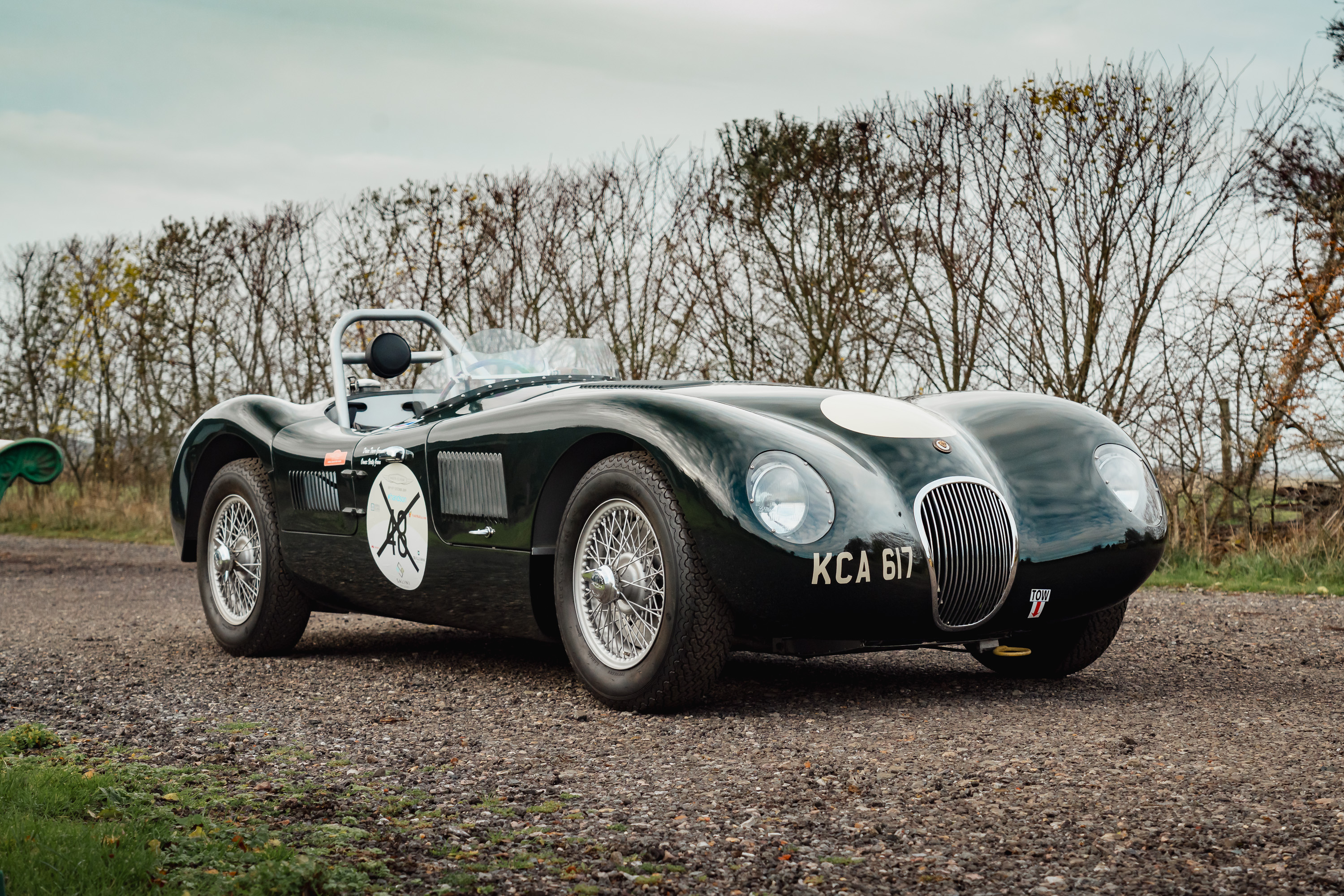
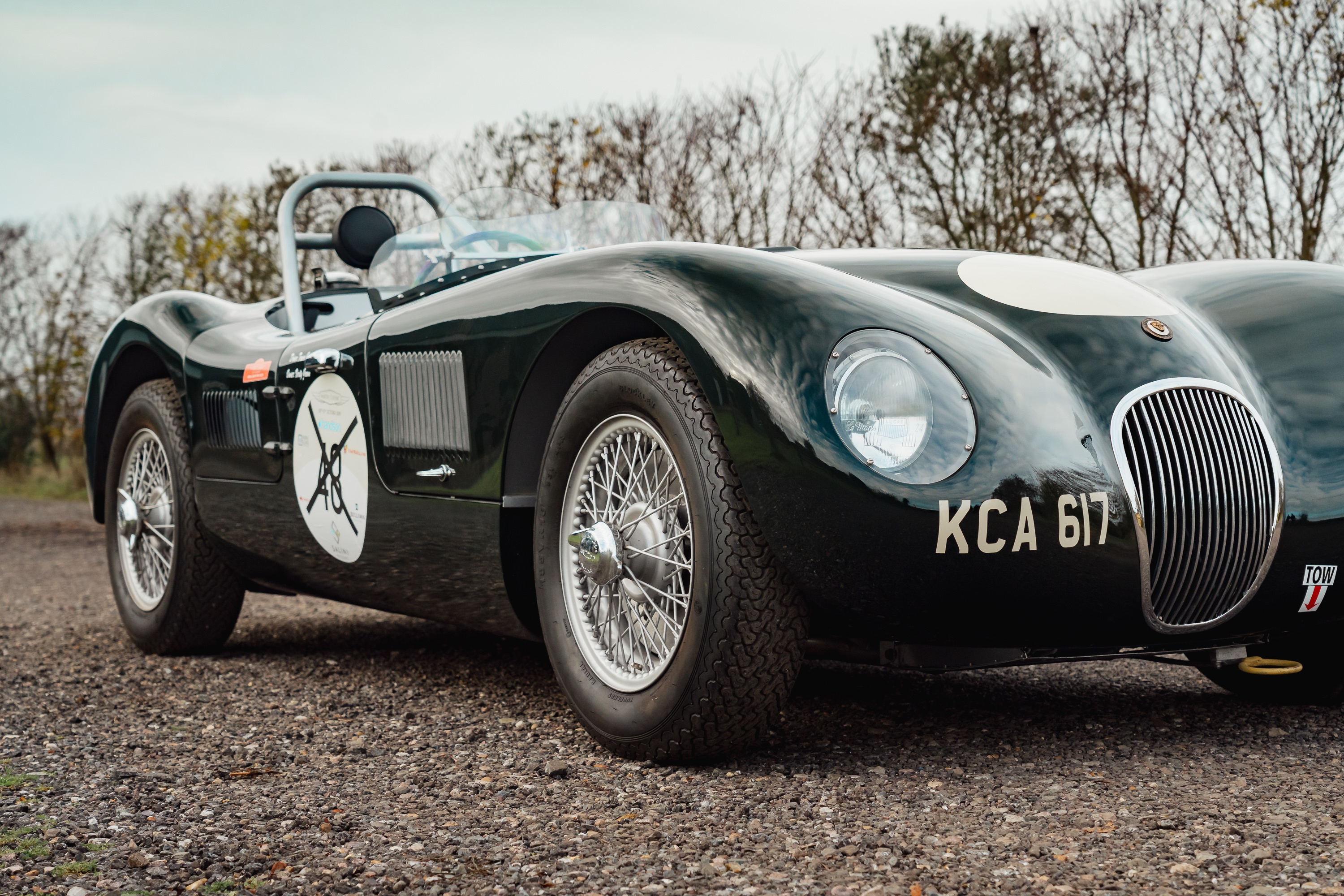
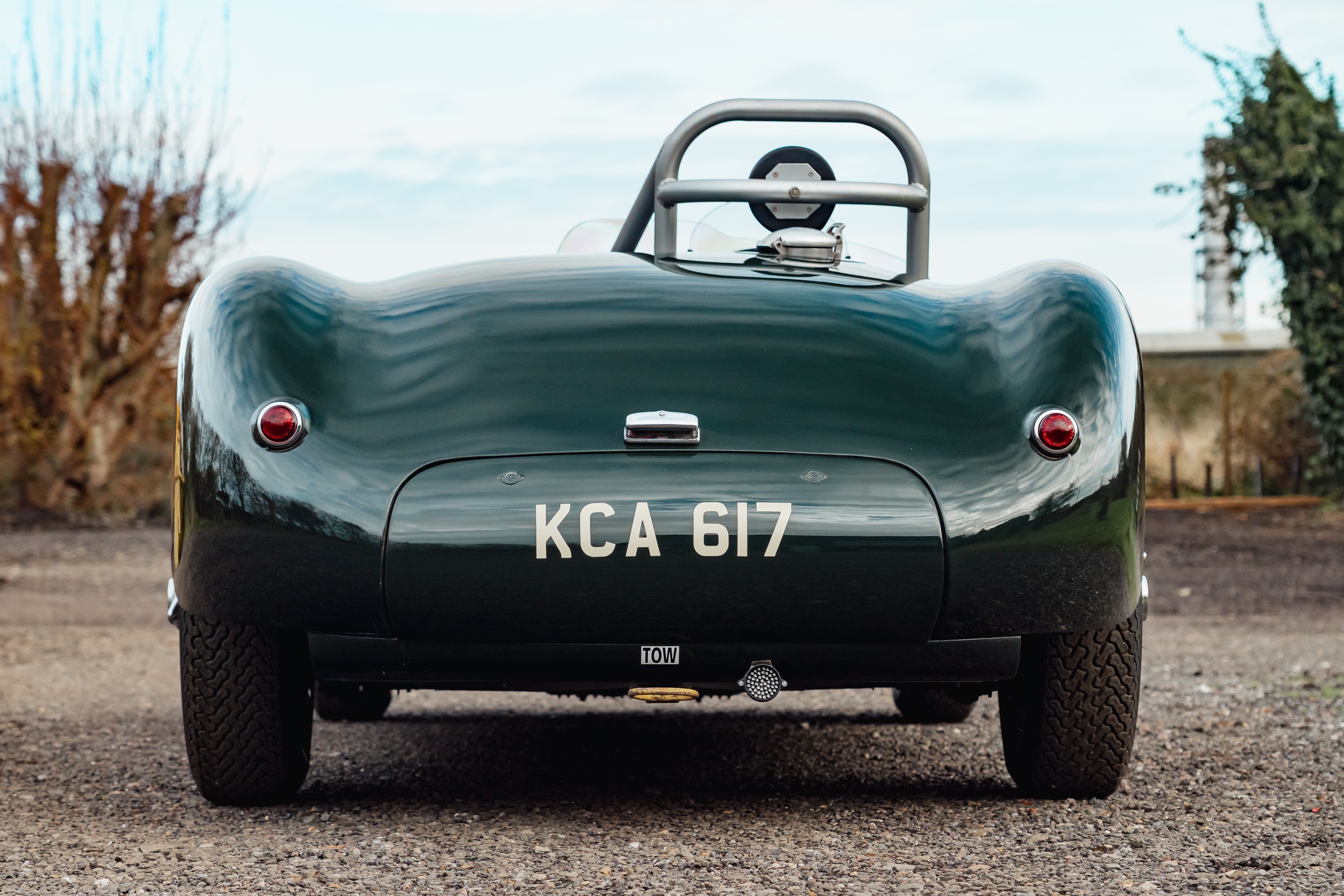
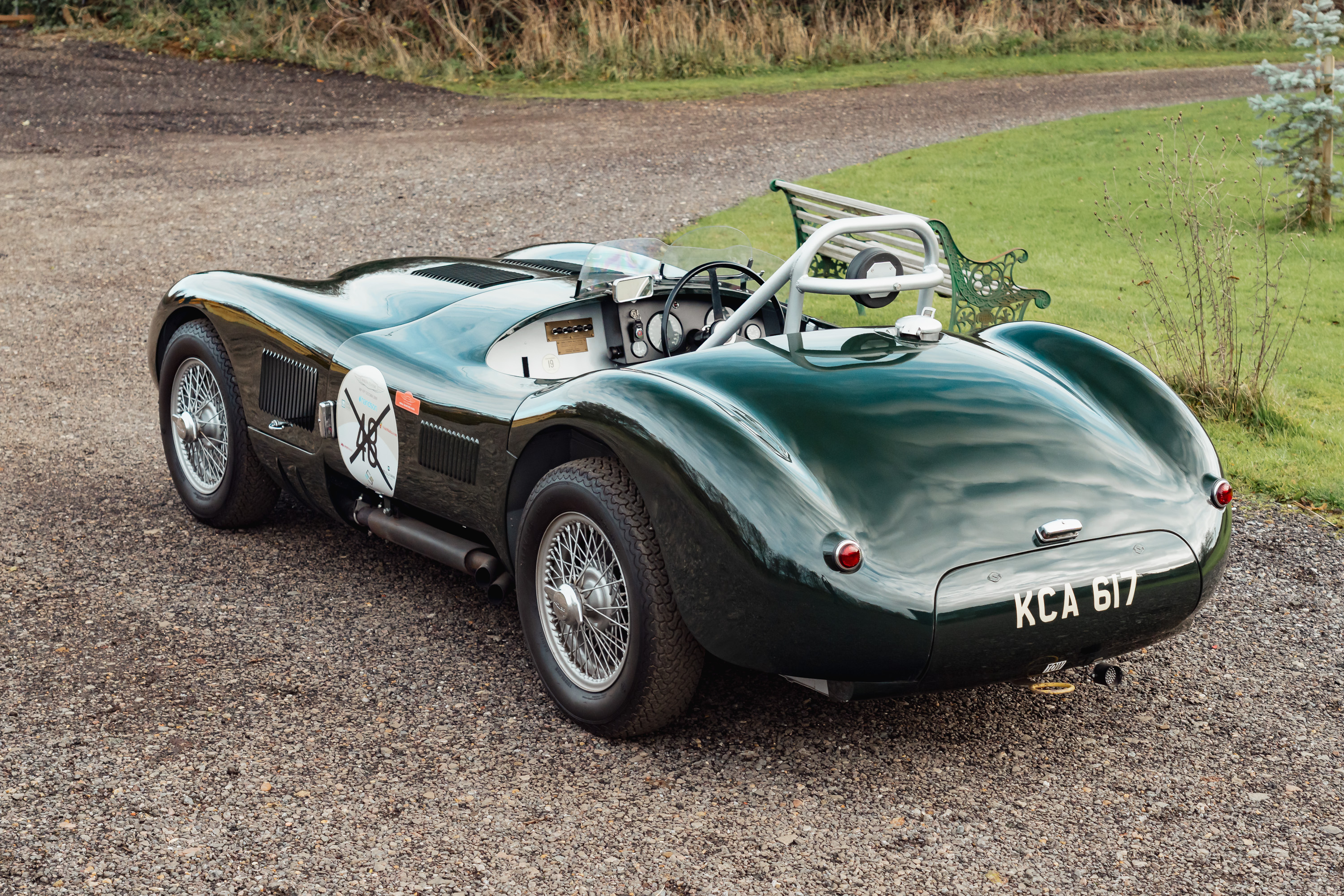
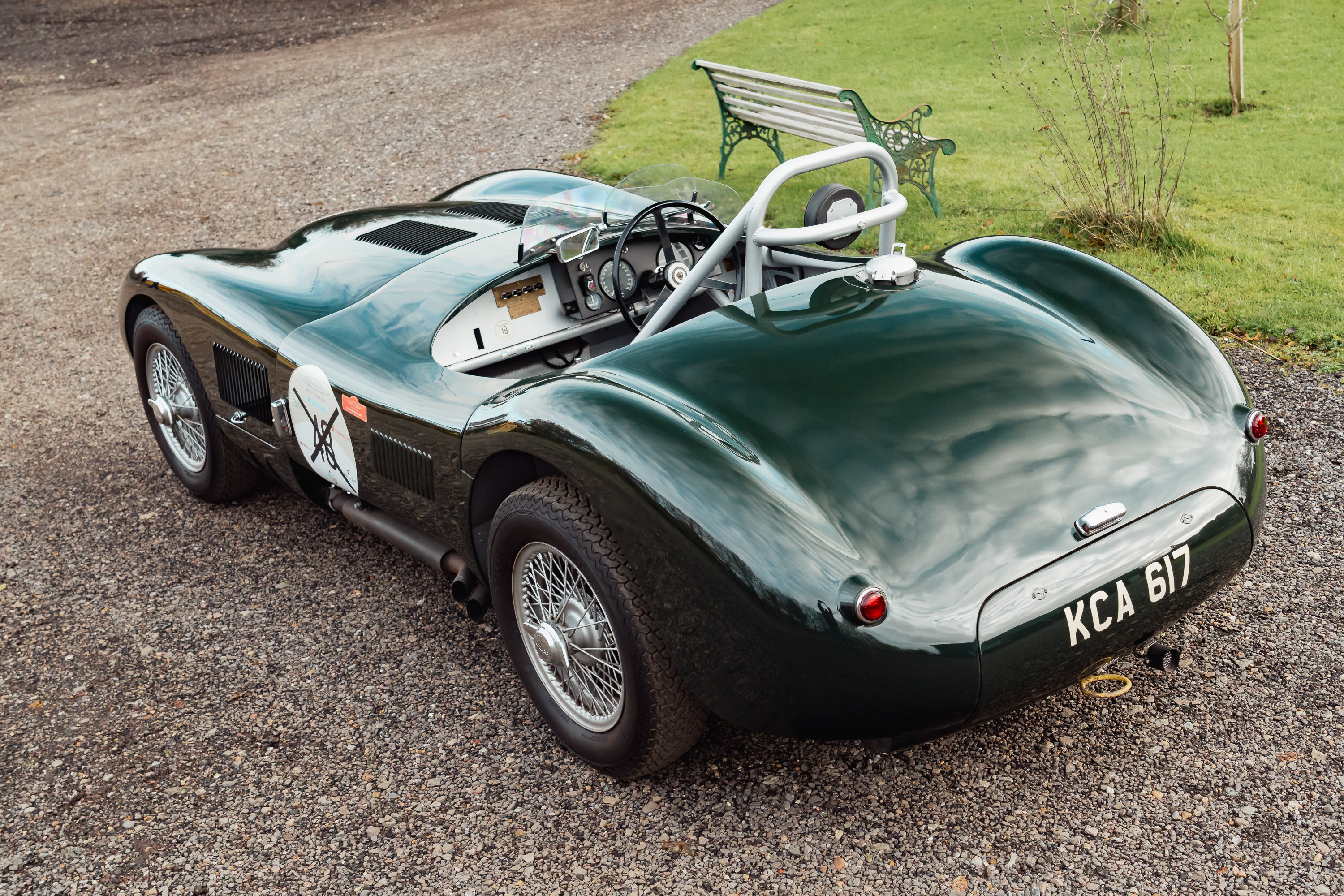
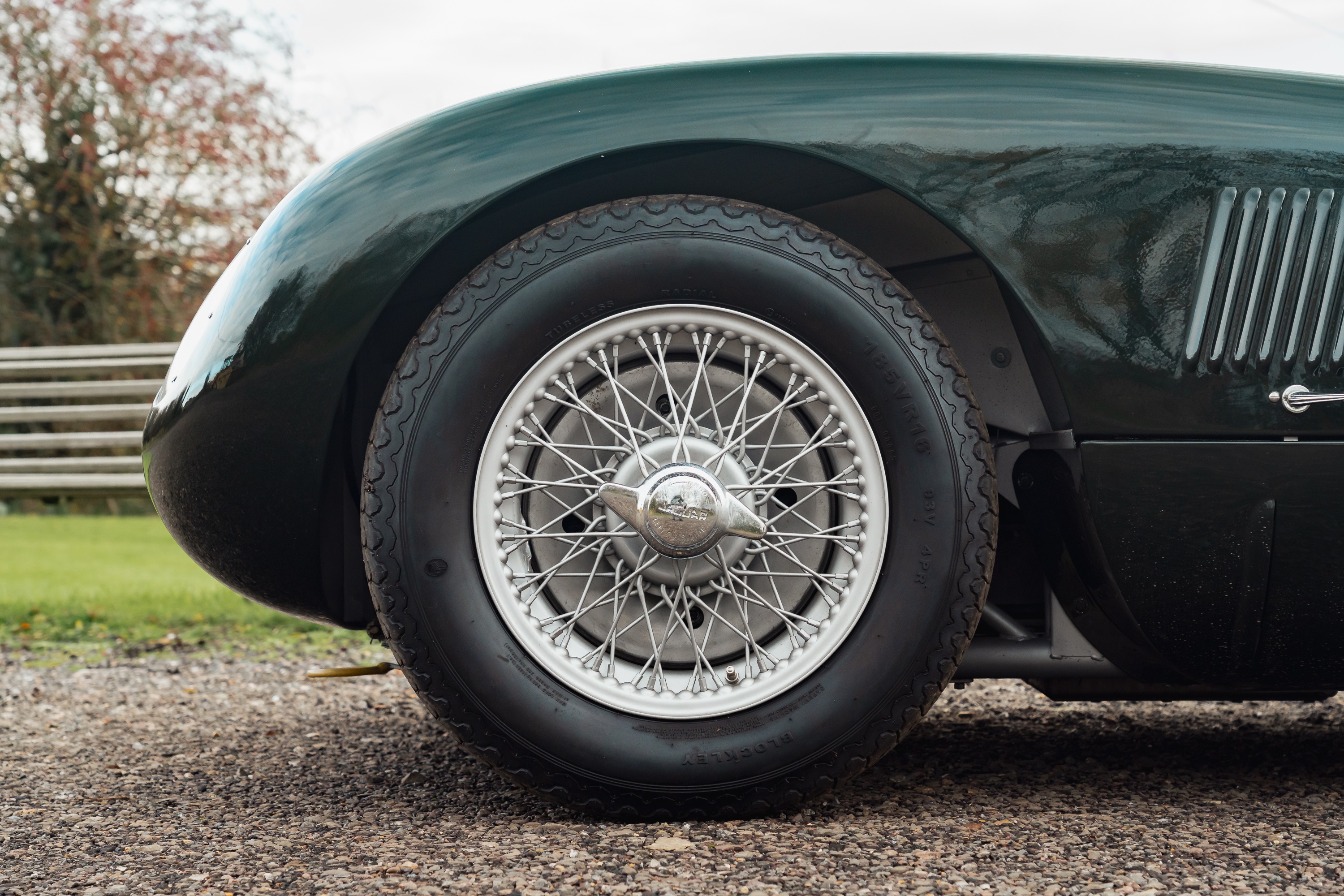
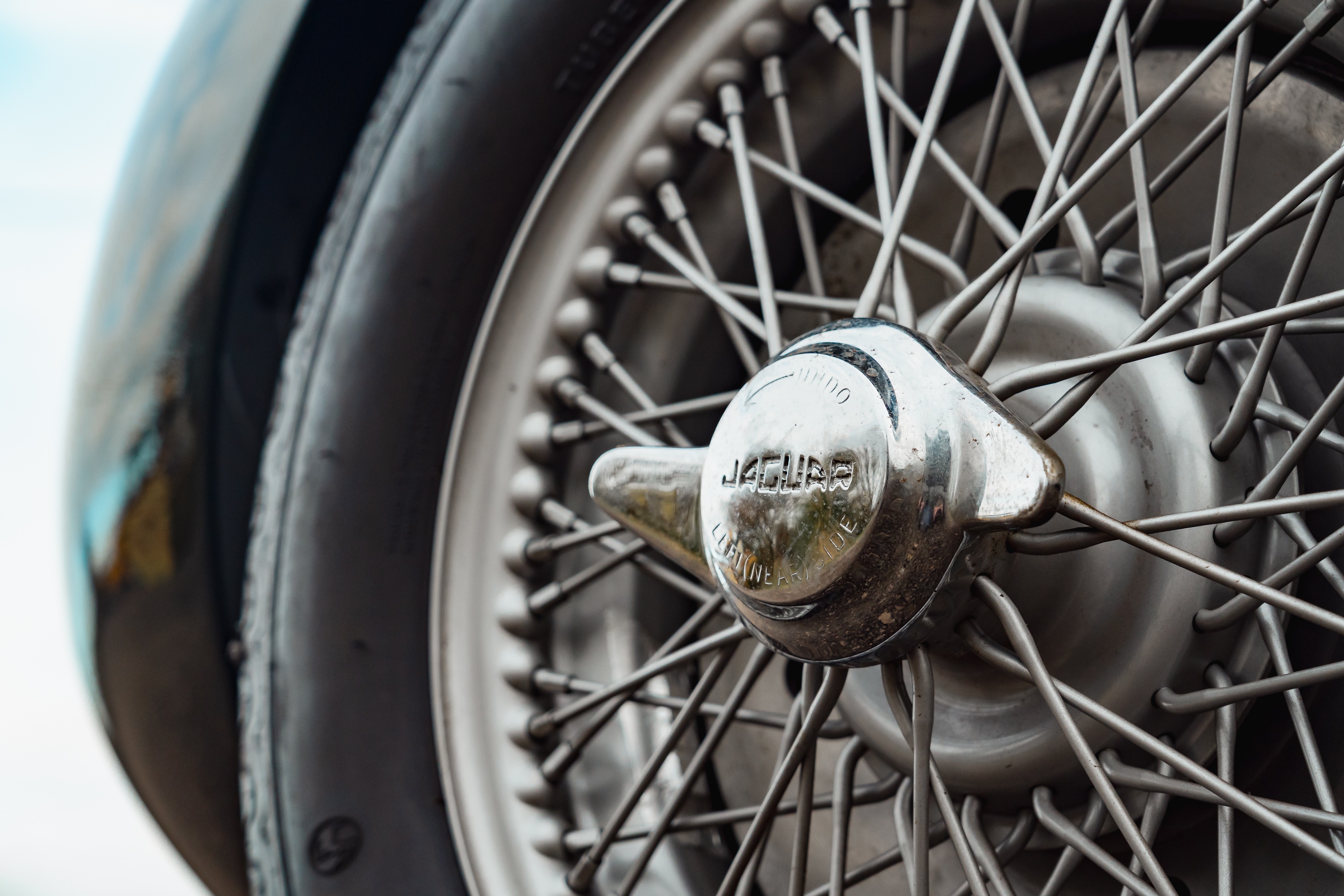
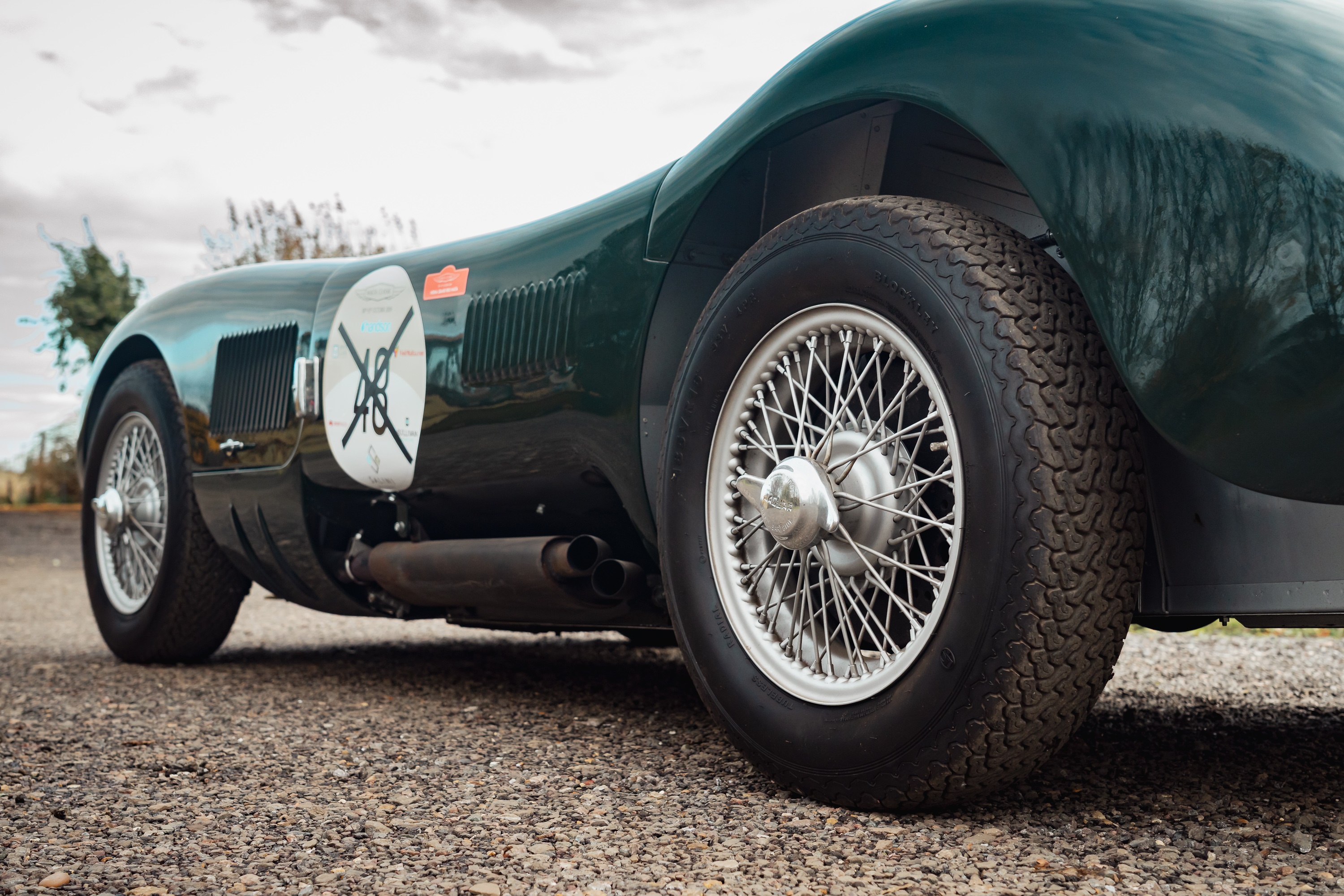
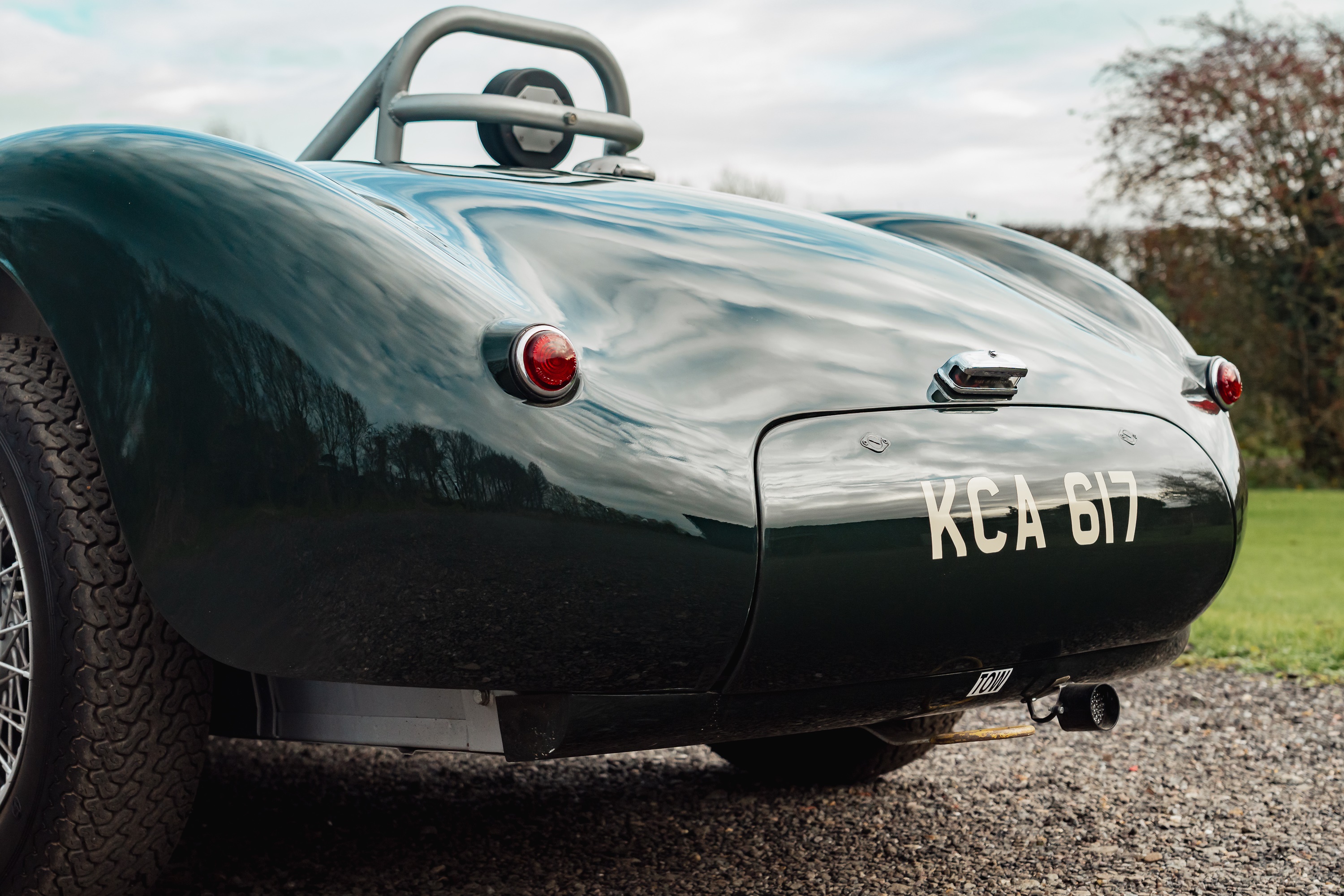
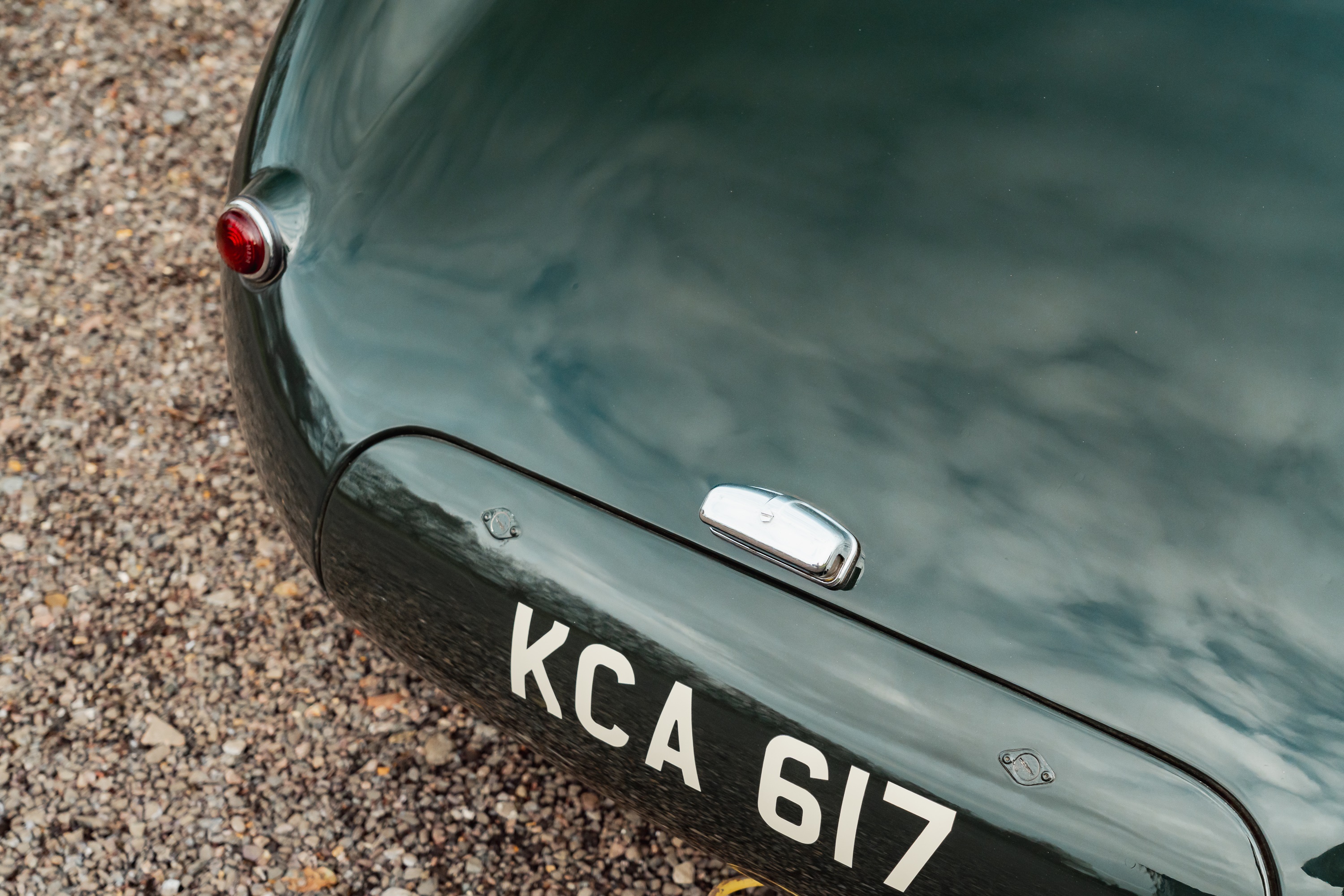
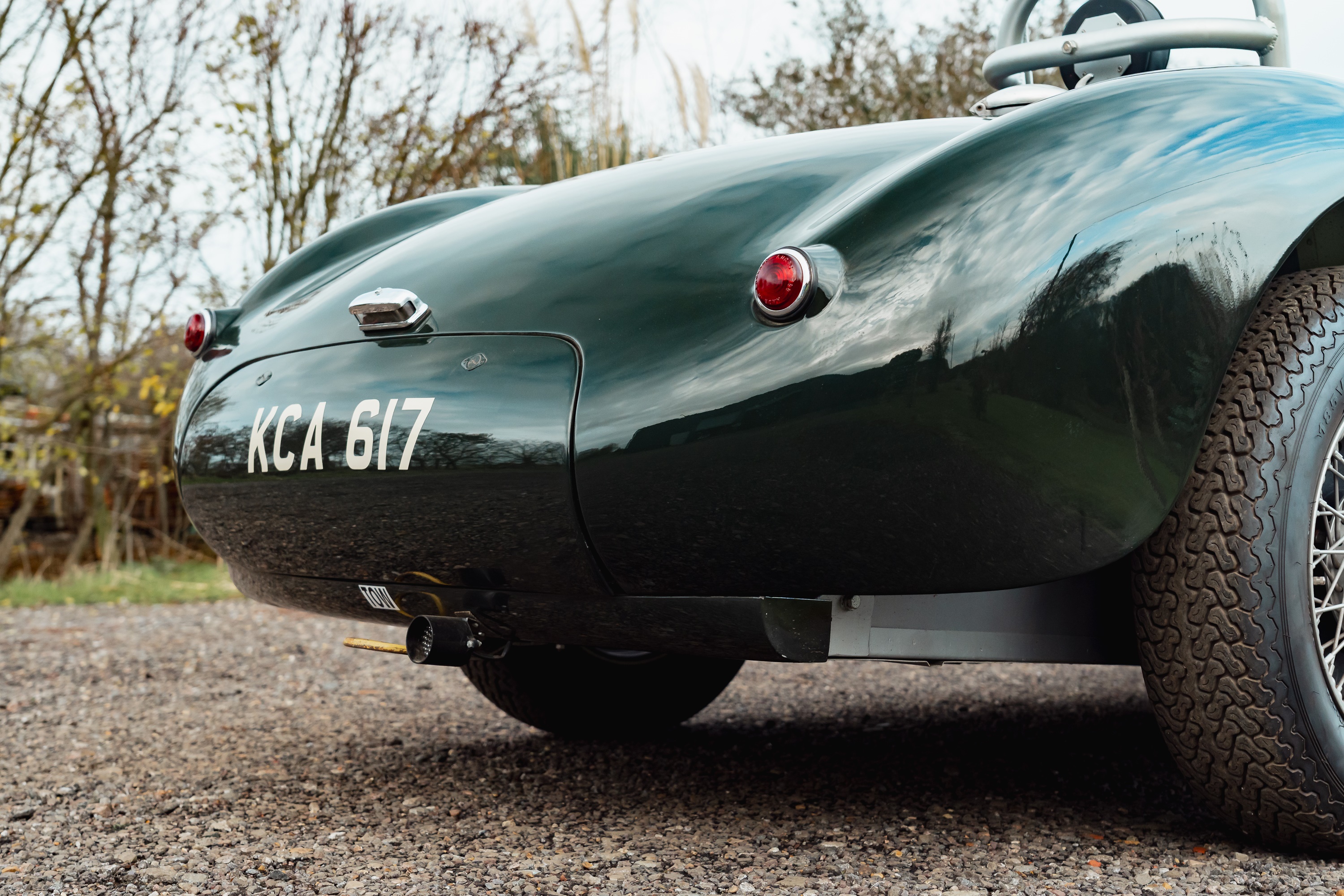
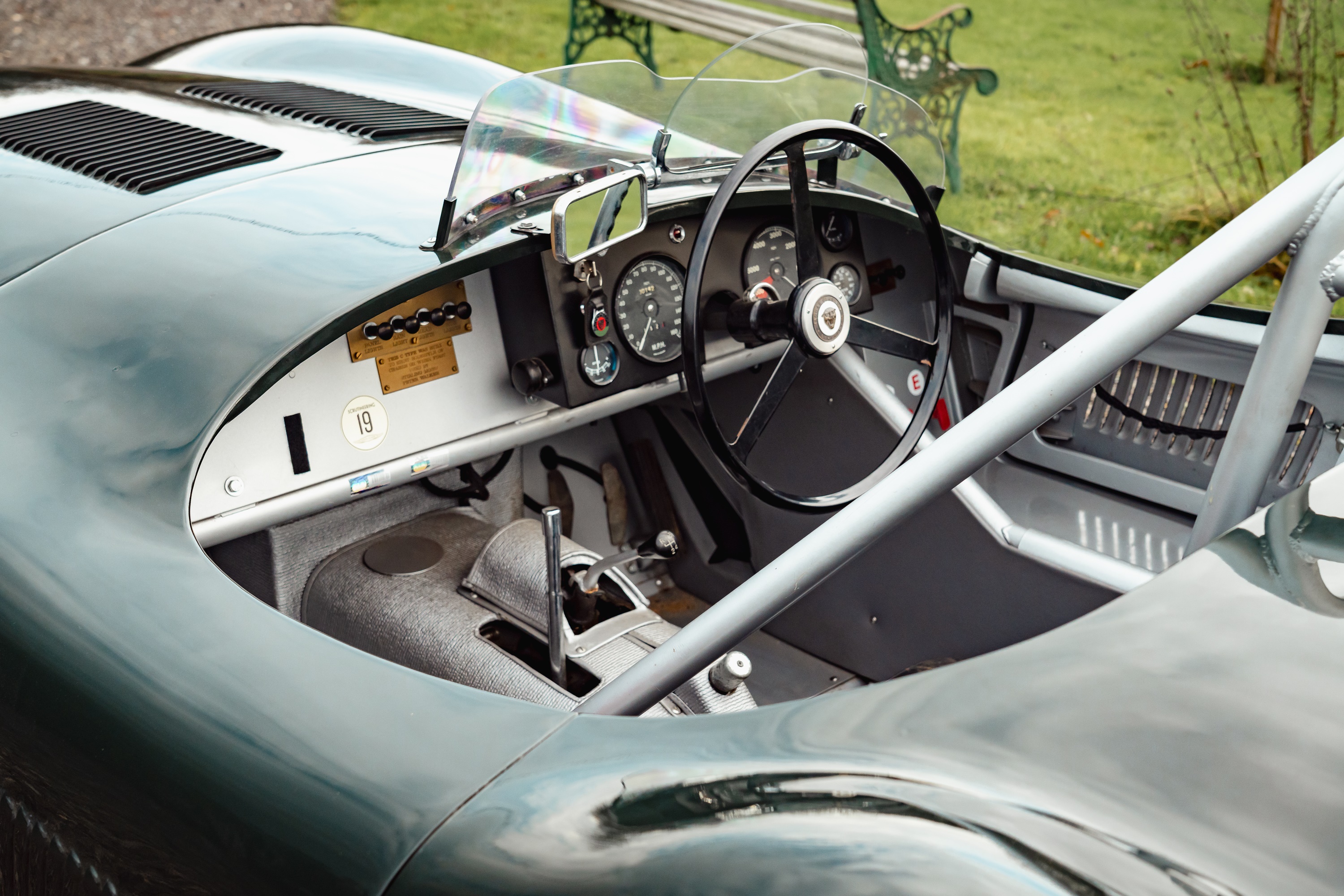
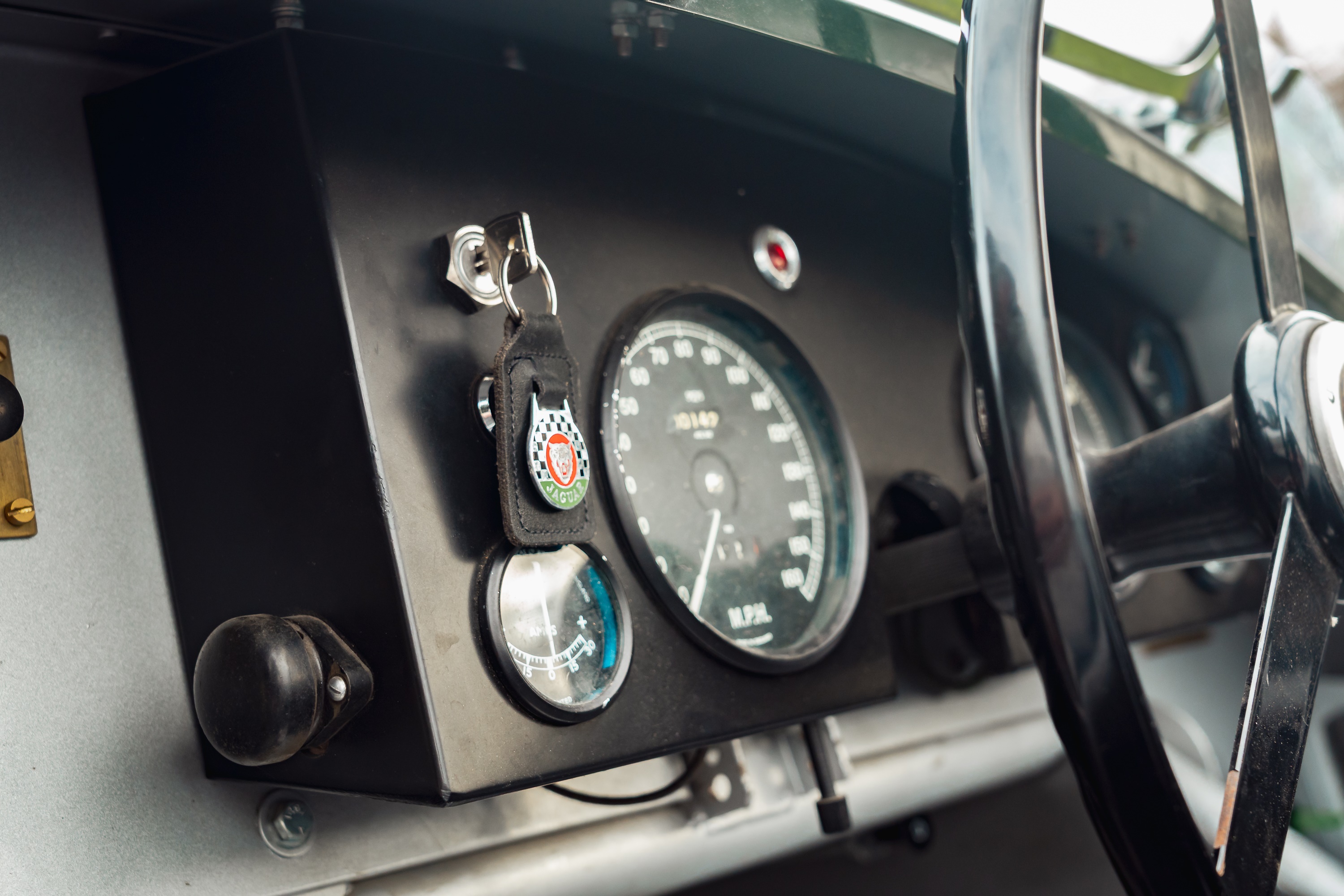
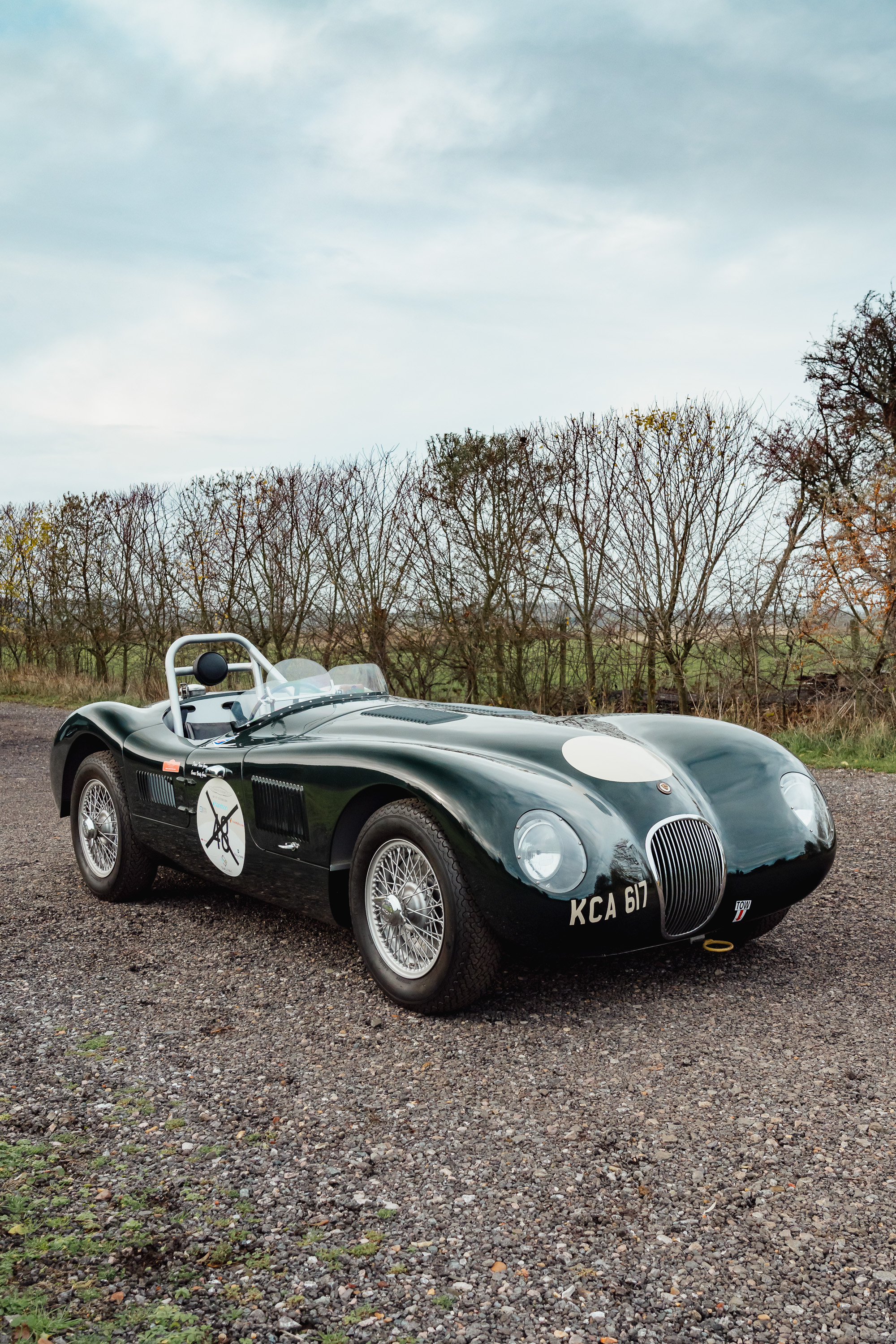
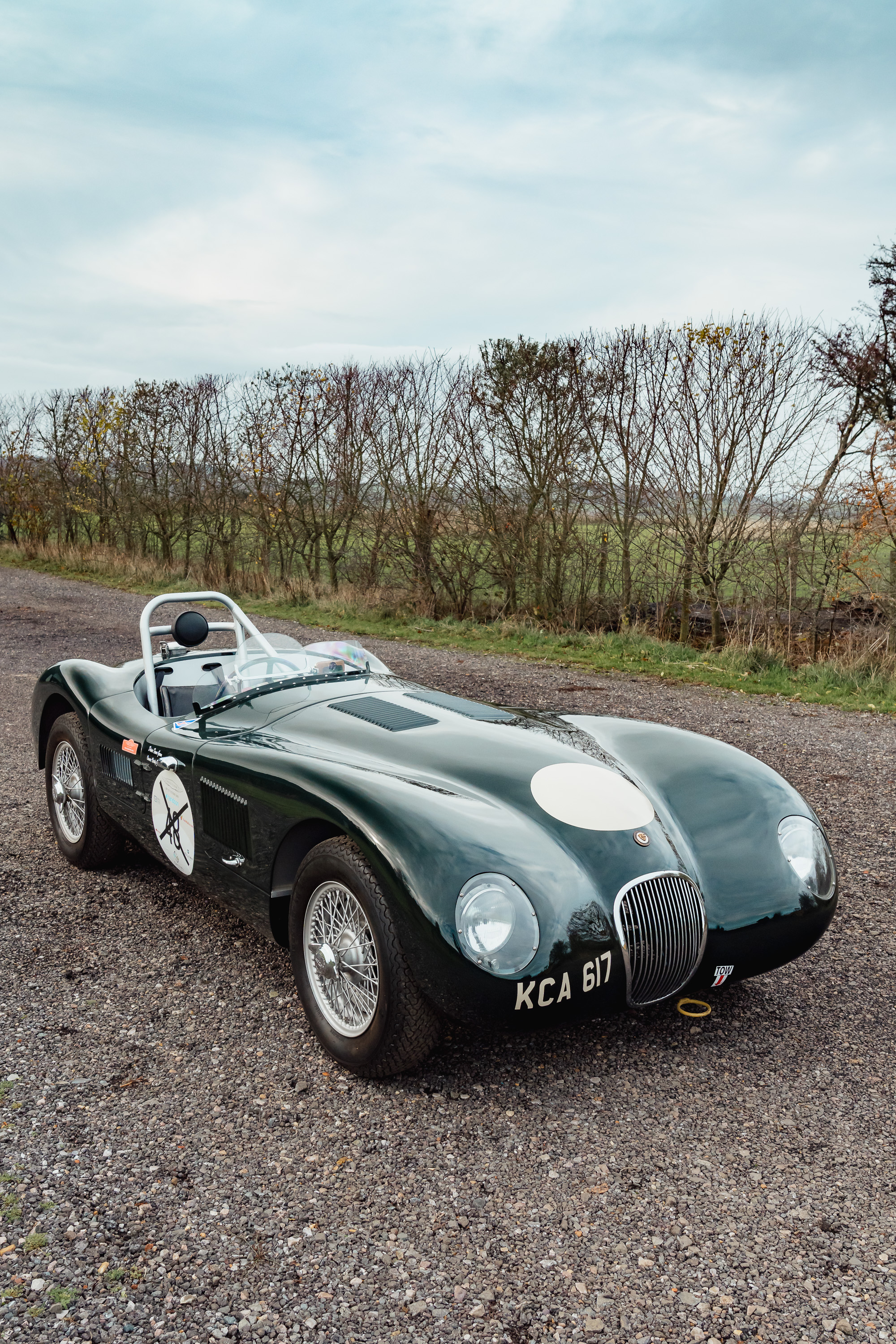
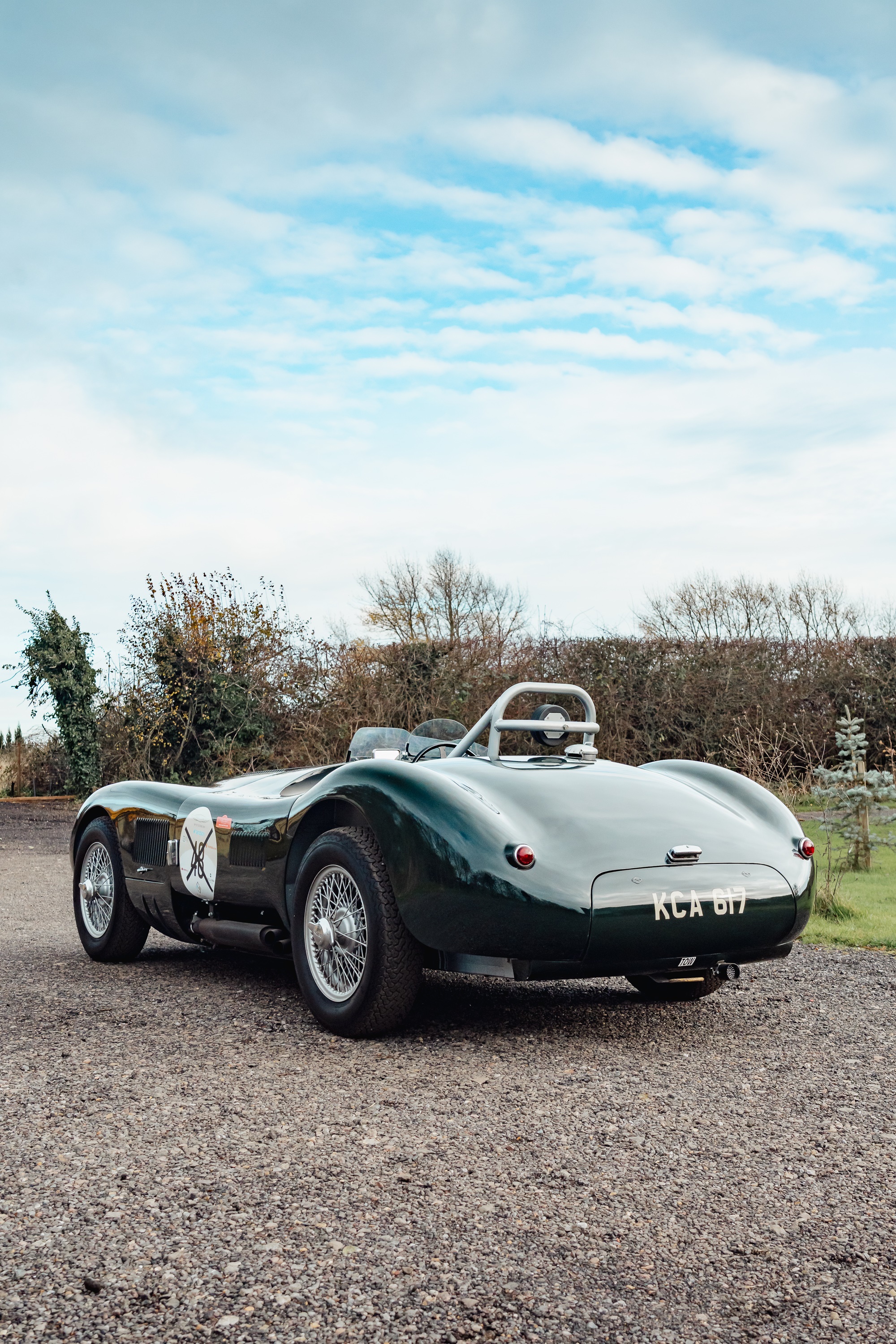
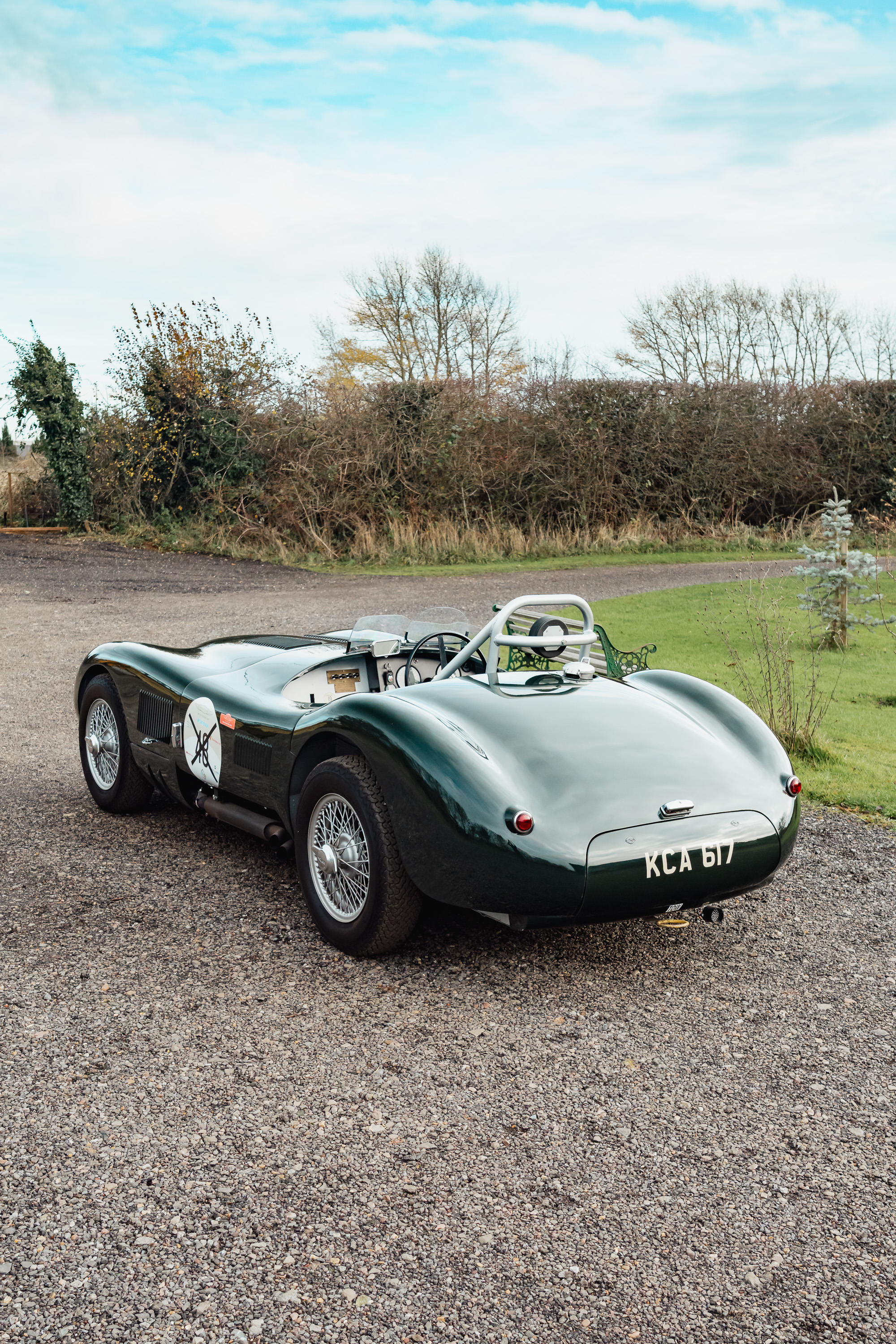
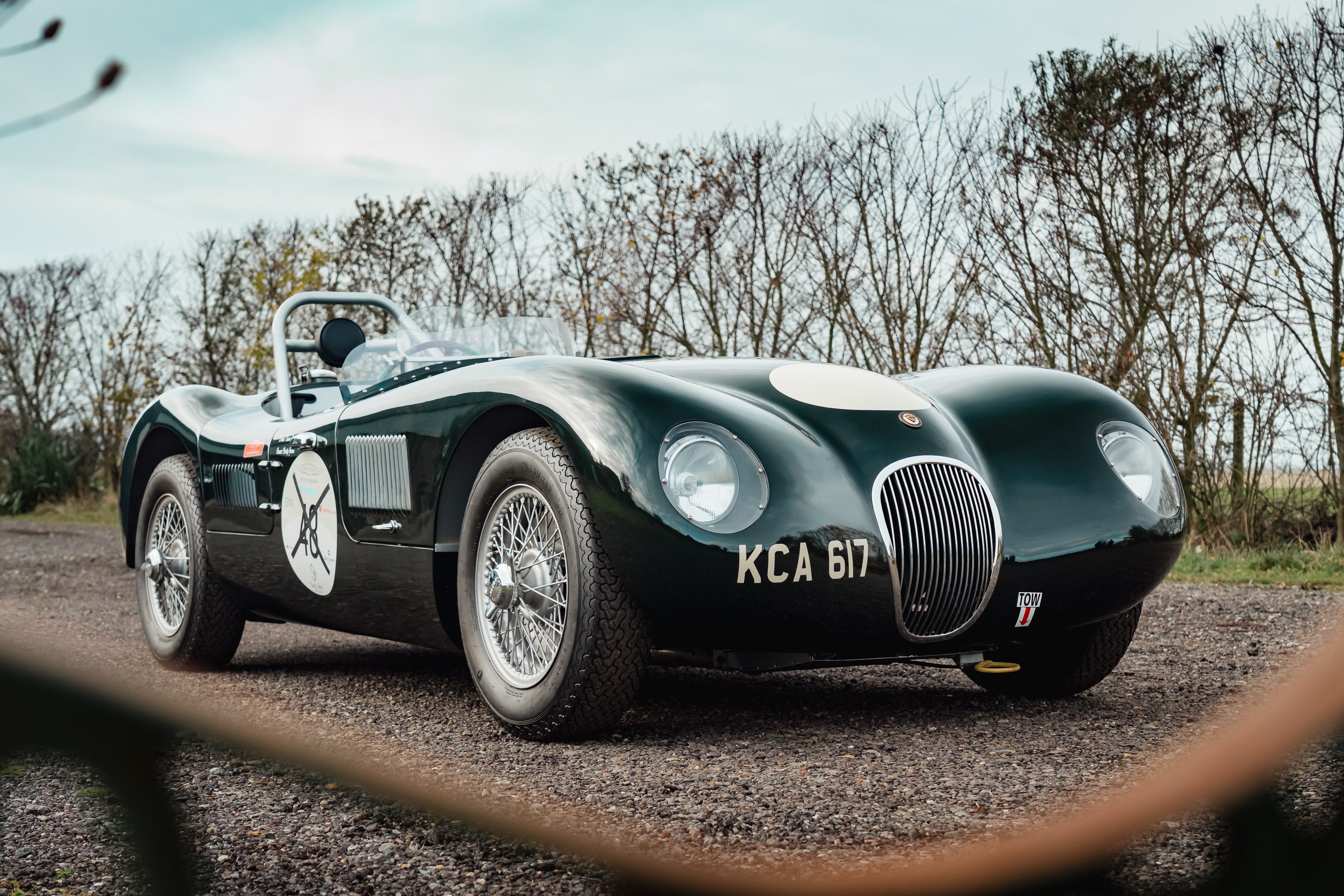
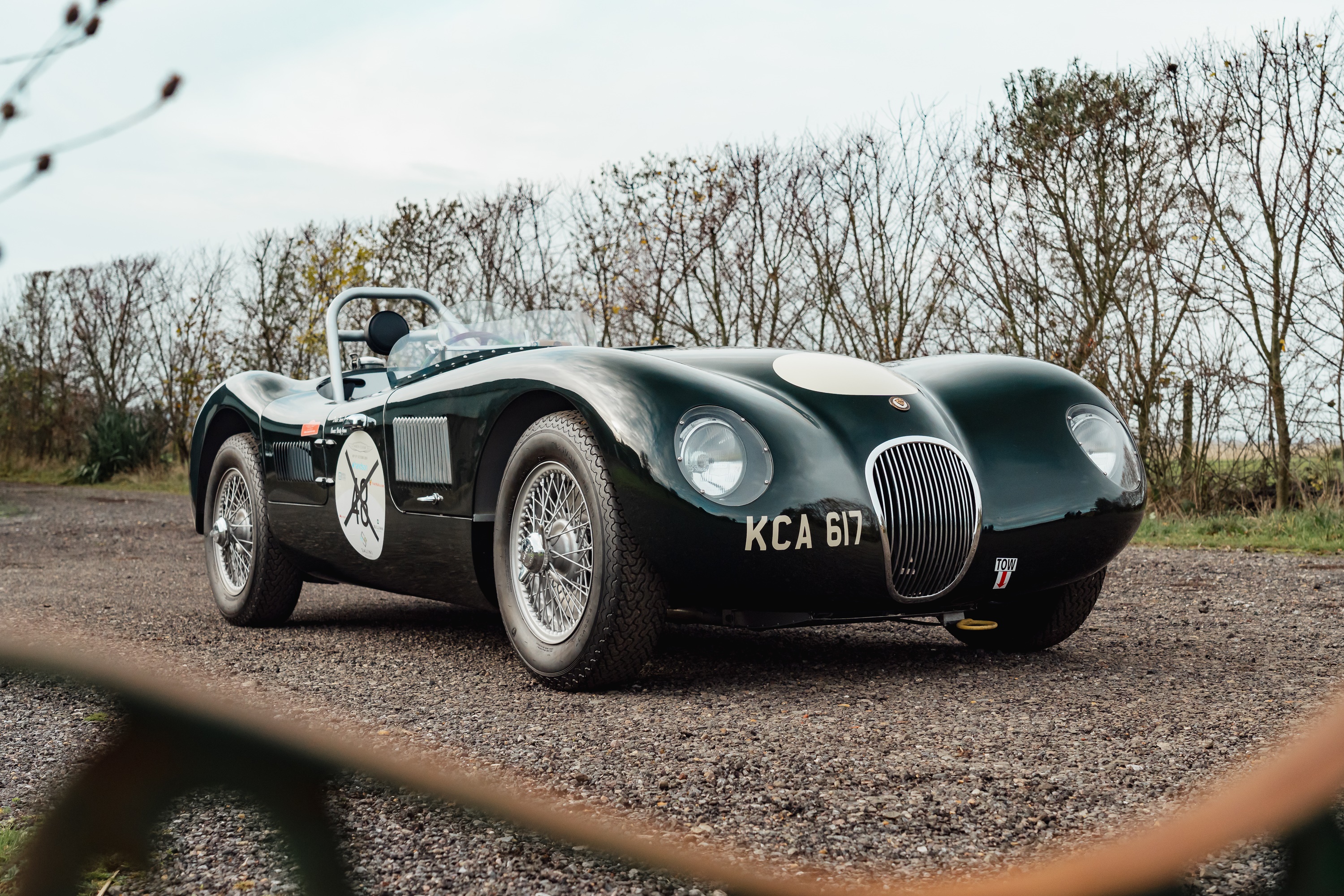
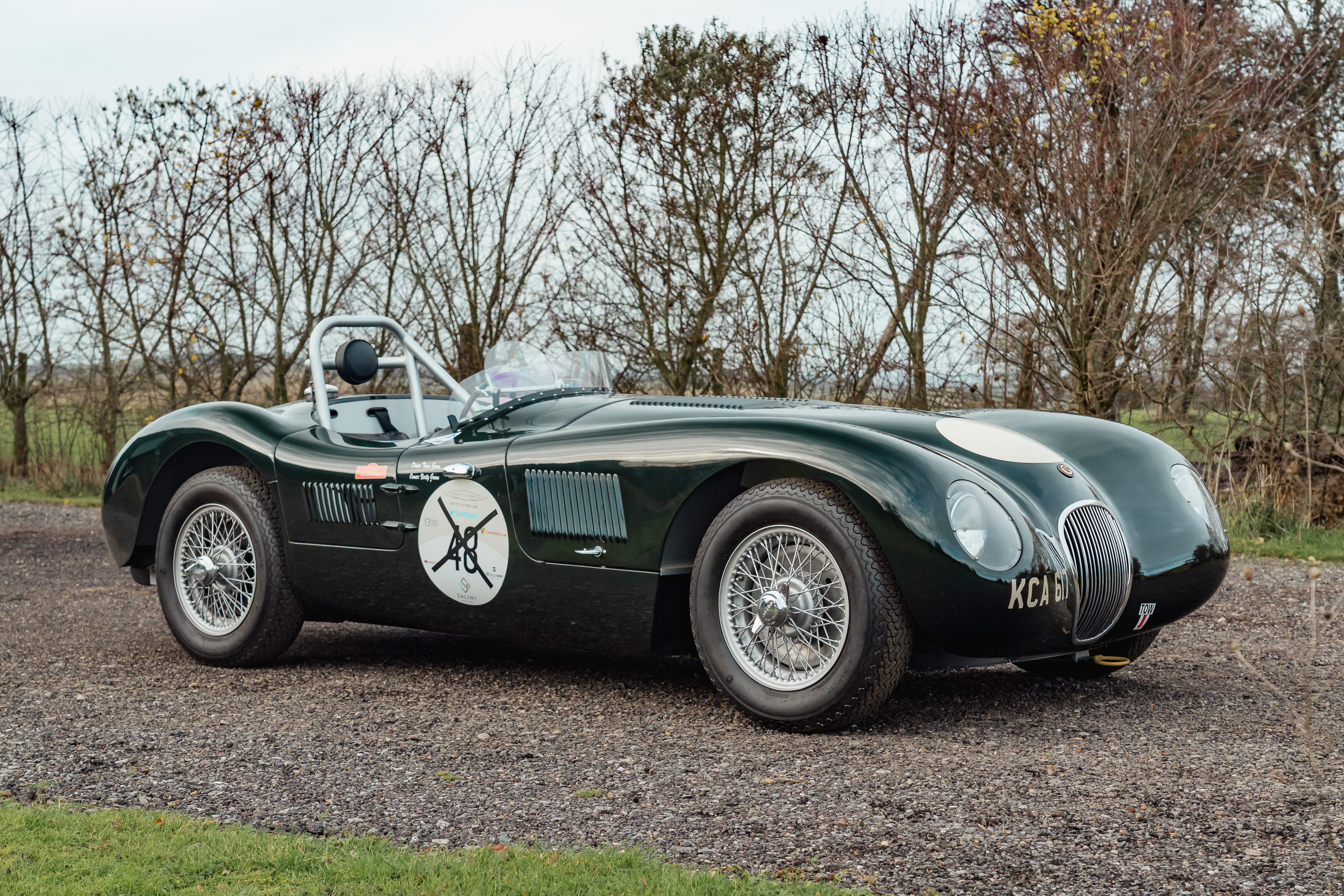
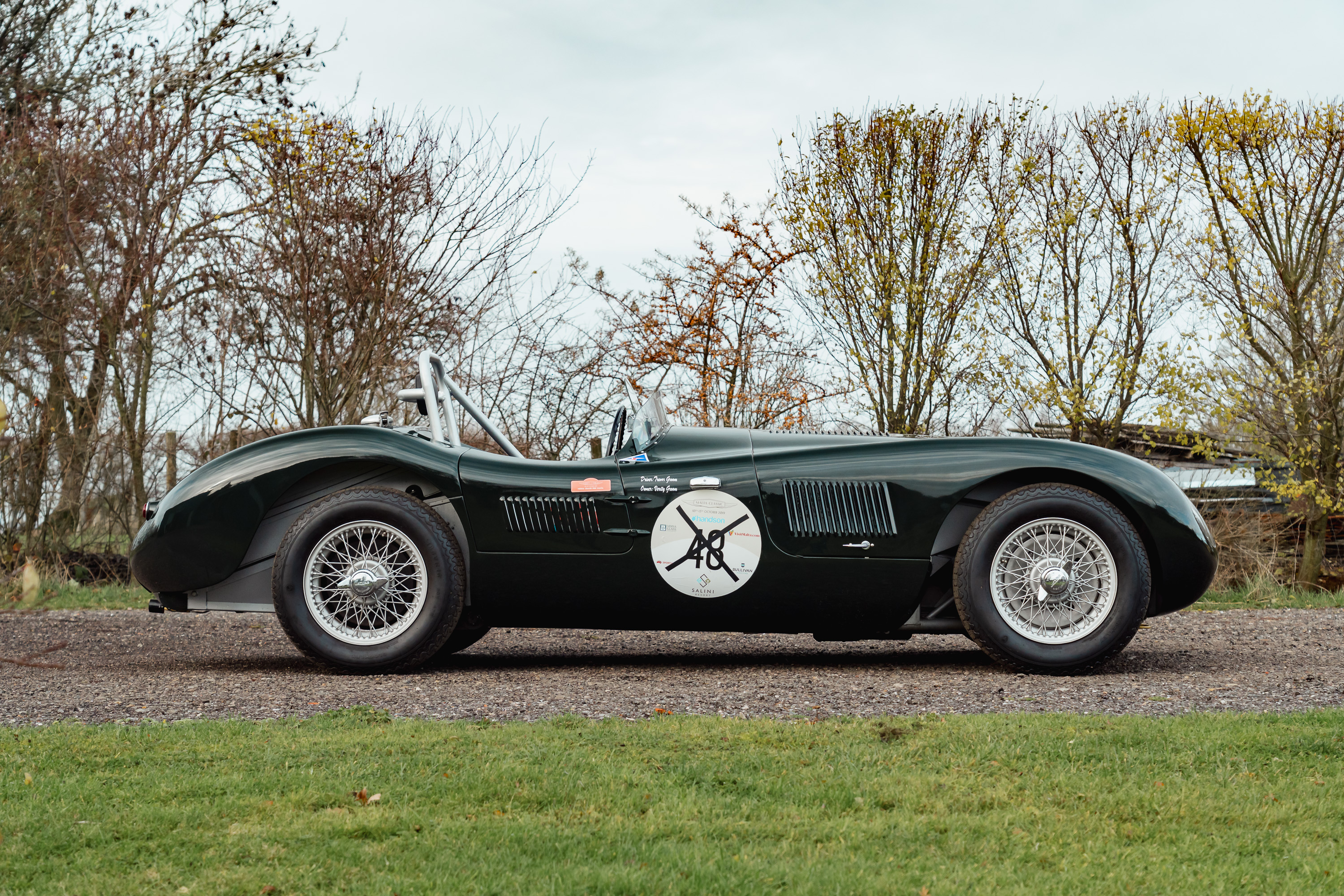
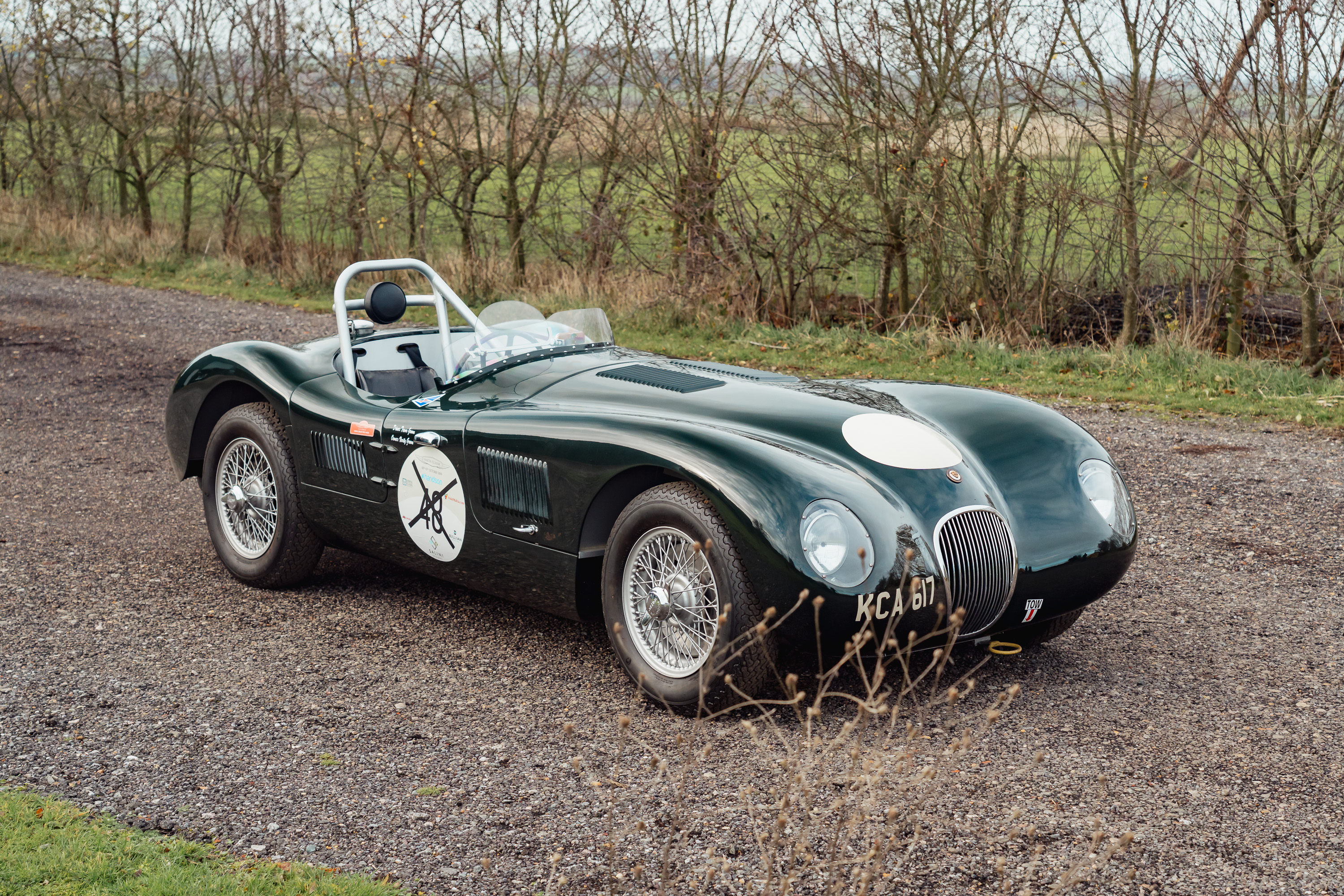
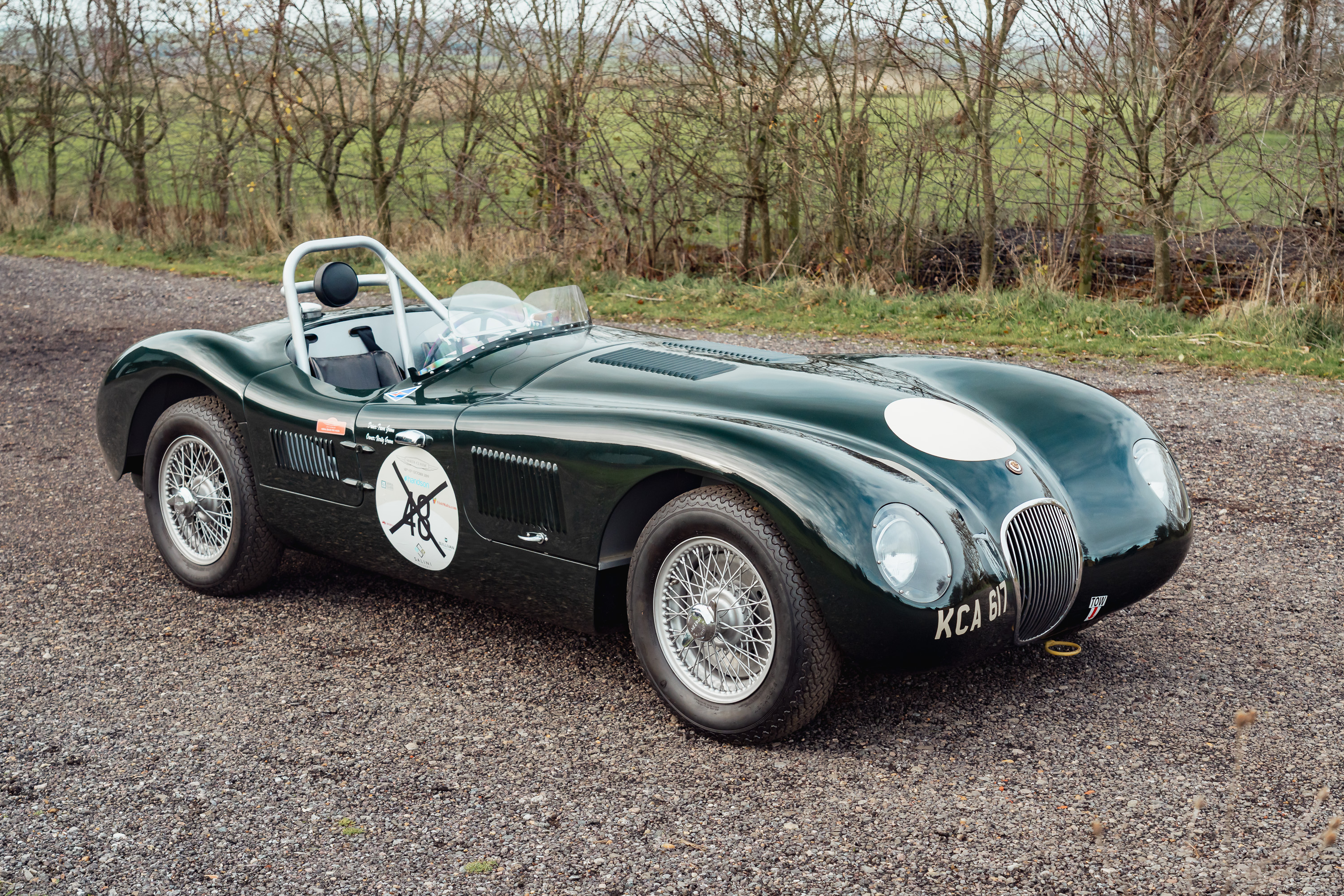
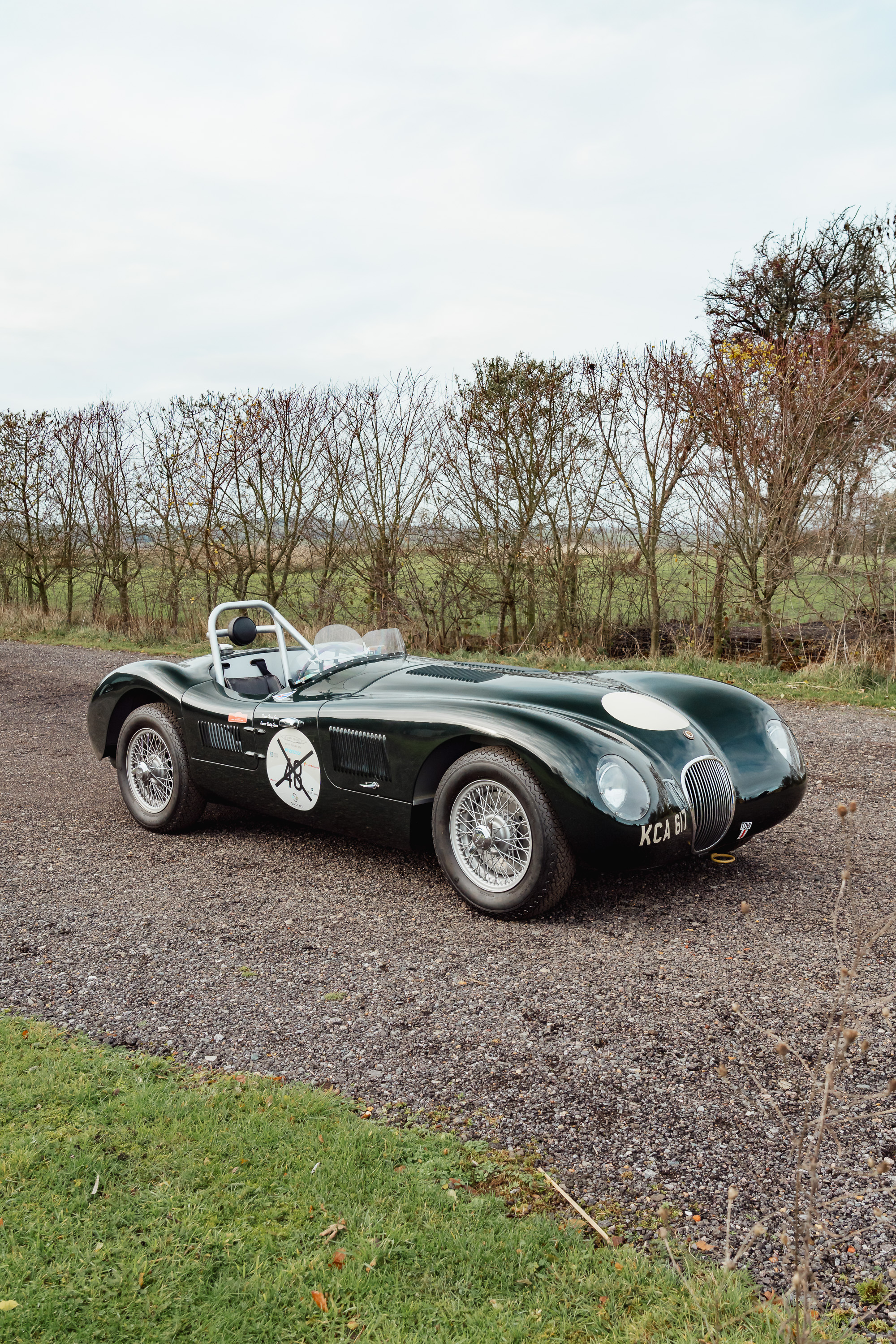
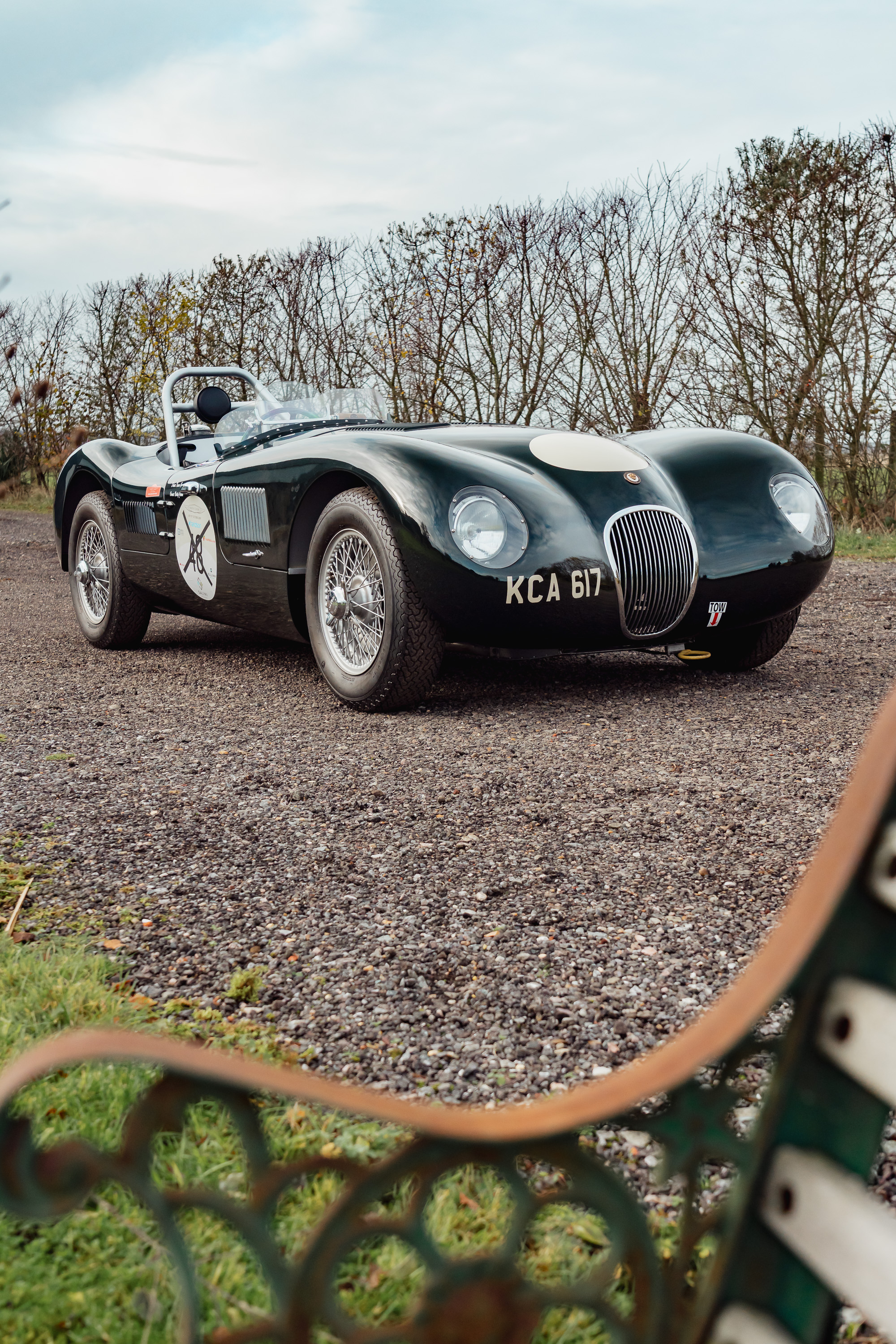
With so few built, it is only a privileged few who will ever be able to own a genuine C-type, but a number of enterprising firms and individuals have set about creating their own evocations which are so exacting in every detail that, with authenticity and provenance excepted, they might fairly be described as every bit as good as the real thing. Such is the case with ‘KCA 617’, which was built to the most exacting standards round an original XK120 donor car.
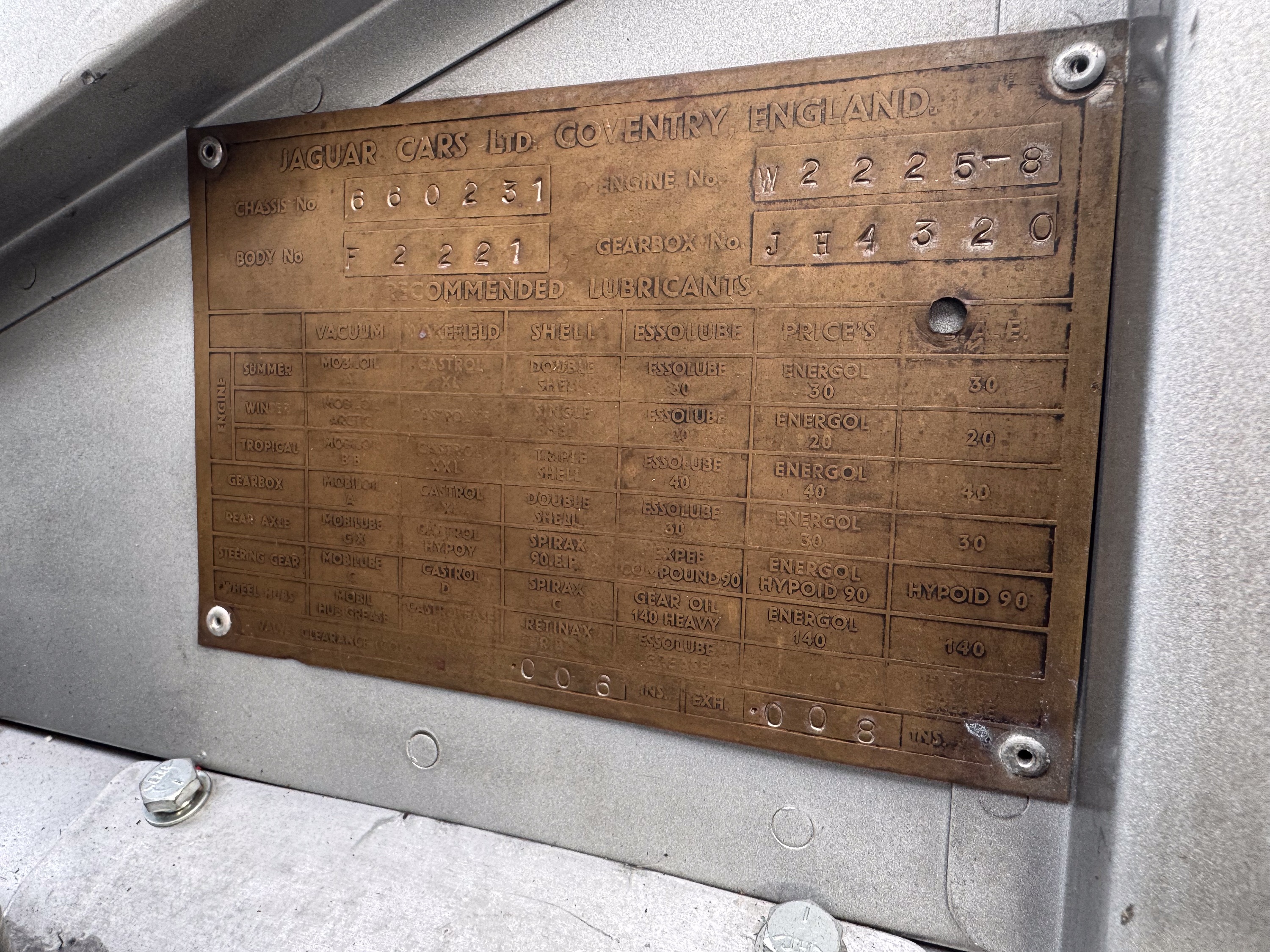
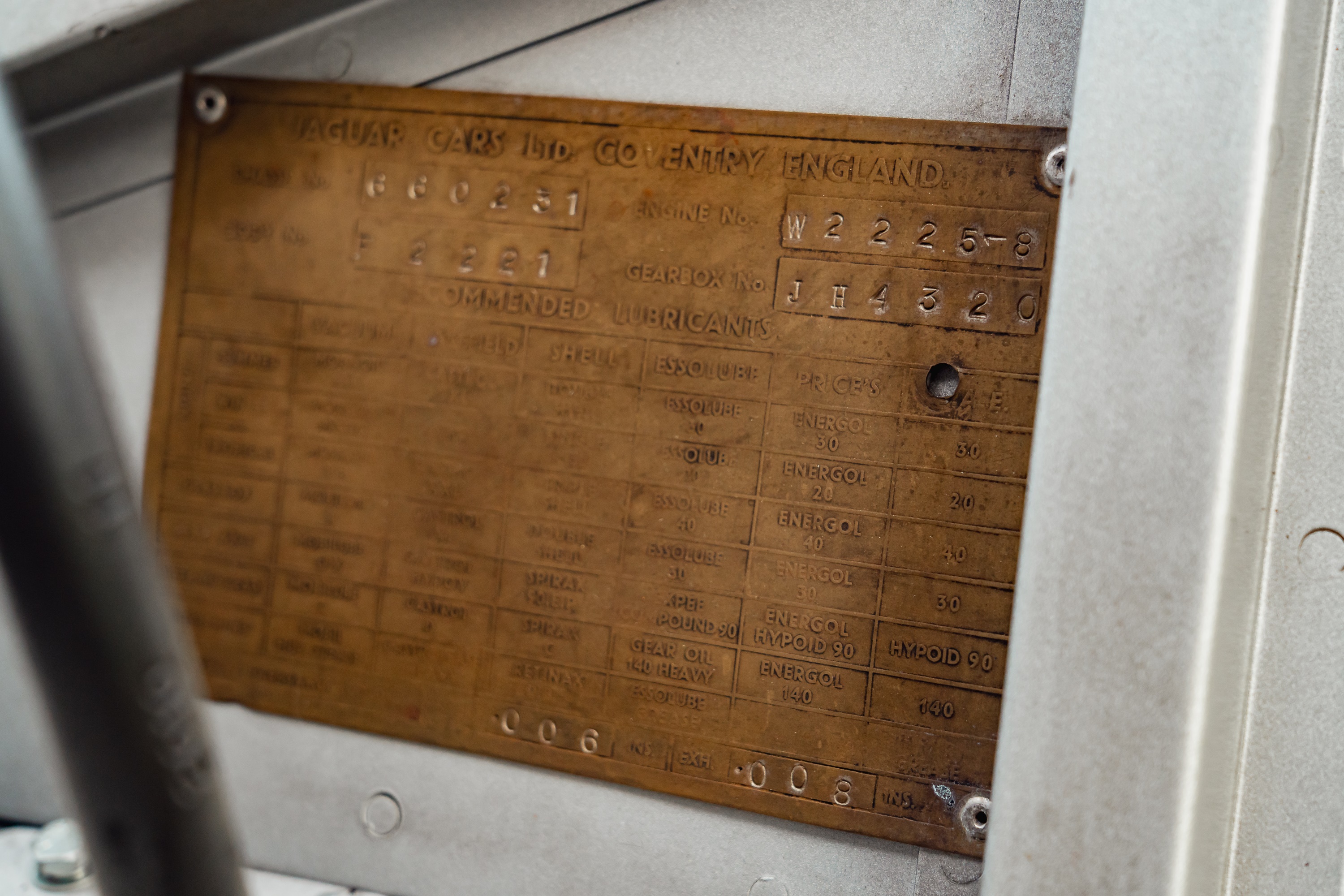
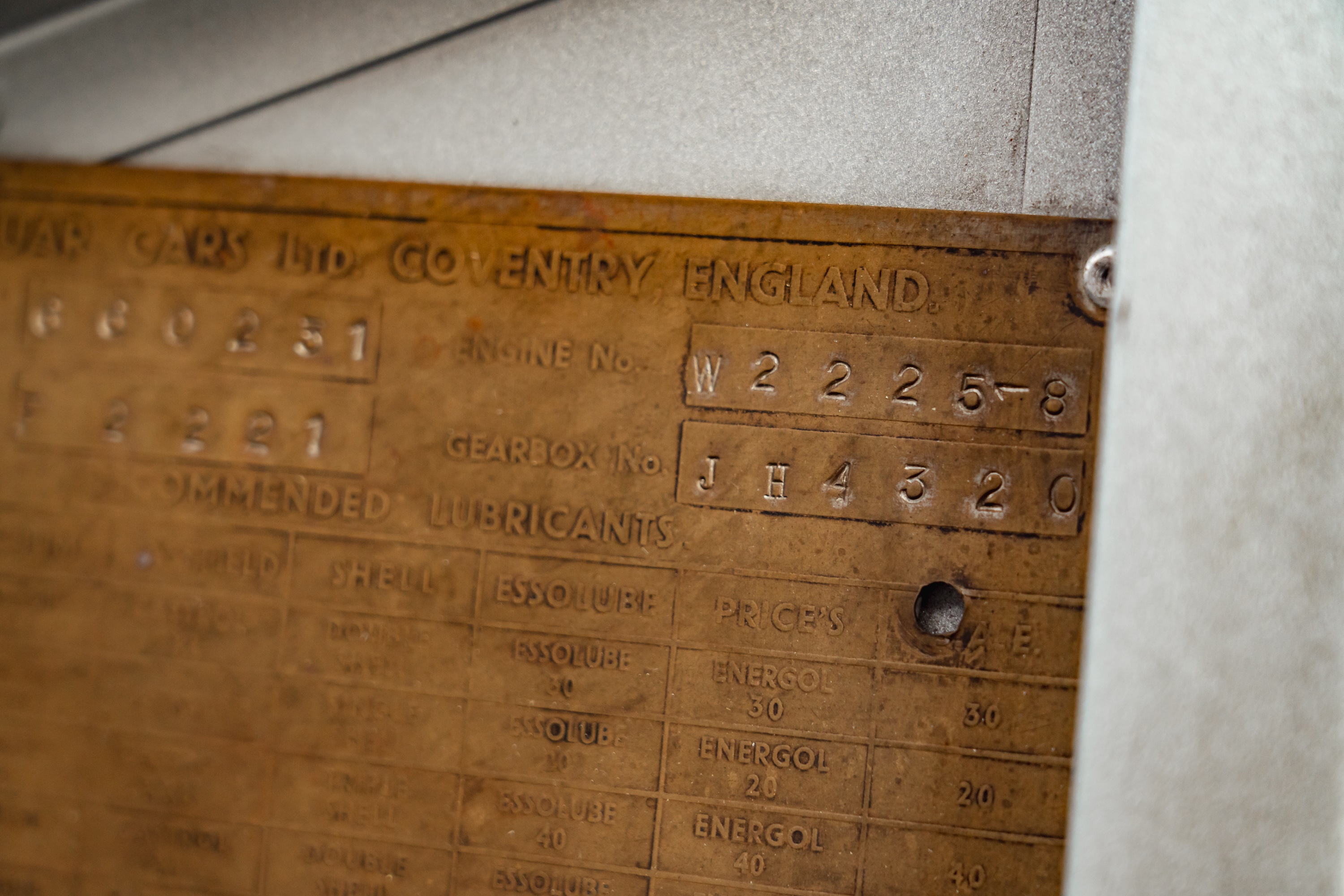
A Jaguar Heritage Certificate and a buff logbook issued in 1963 confirm the origins of chassis 660231. Built on October 19th, 1950, and finished in Silver with a Red interior and Gunmetal hood, it started life as a right-hand drive XK120 Open Two-Seater and left Jaguar’s
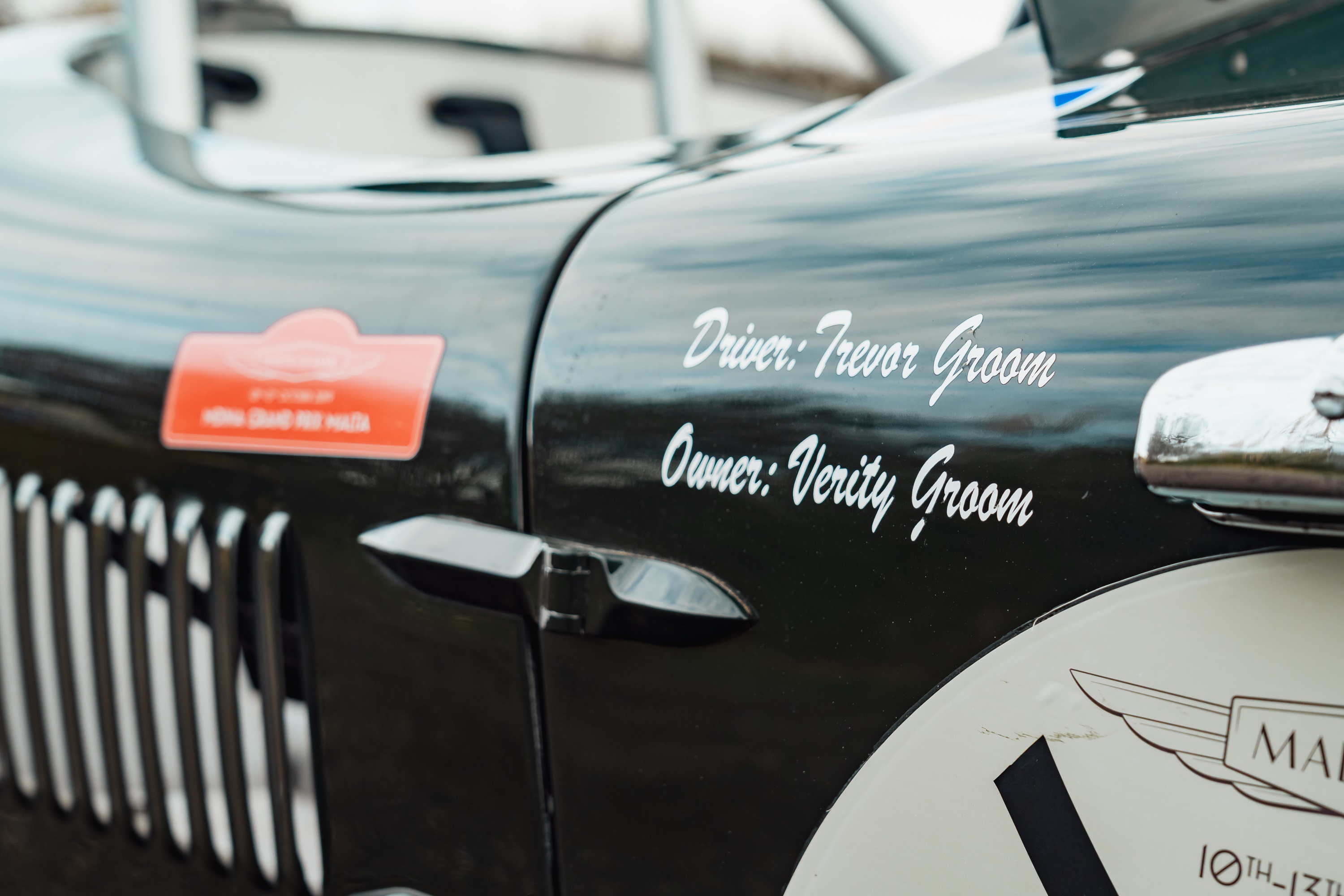
Browns Lane factory on November 15th, bound for the distributor Victors of Belfast. However, it may never have reached Belfast, as it was registered in Denbighshire in 1951. By June, 1963, it was painted blue and owned by Mr. David Anthony Iredale of Ryhill, near Wakefield. By December of that year it had gone to Mr. John Taylor in the neighbouring village of Havercroft, and in 1967 it passed to Mr. Derek Winston Hilton of Notton, another nearby village. No further history is known until 1995, when the ‘KCA 617’ was discovered in a scrapyard in very poor condition by the present owner, the highly respected Jaguar racer and restorer Mr. Trevor Groom.
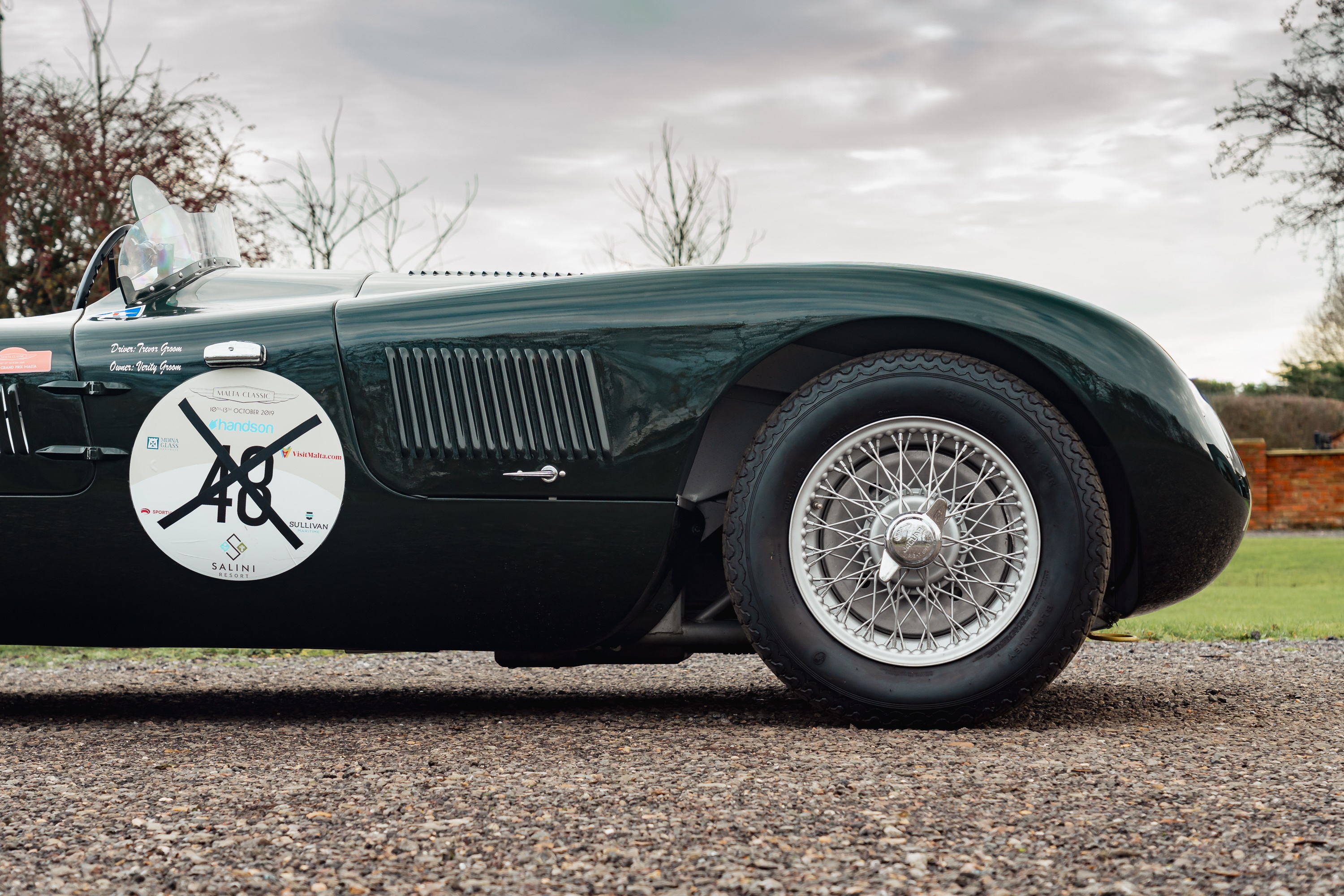
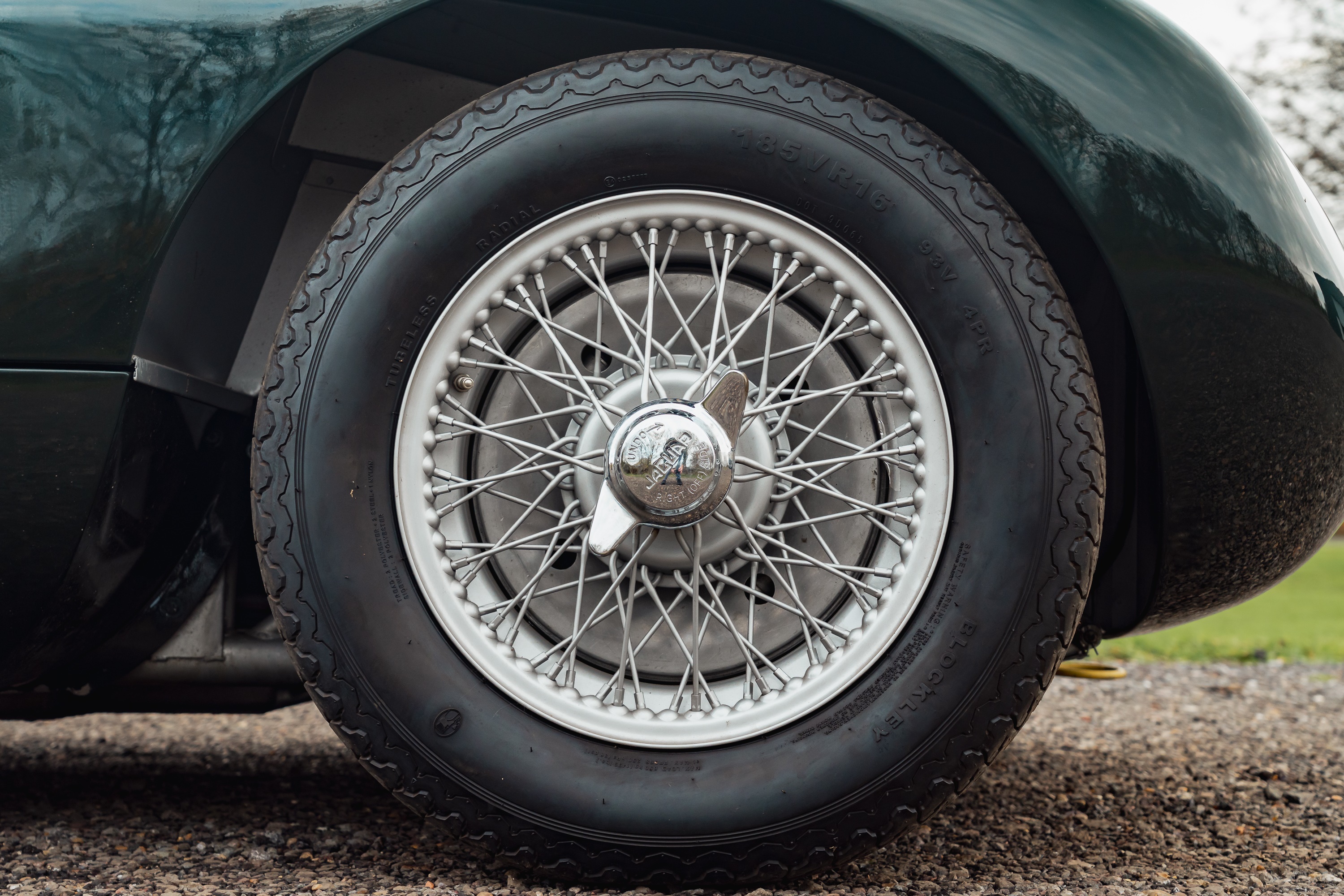
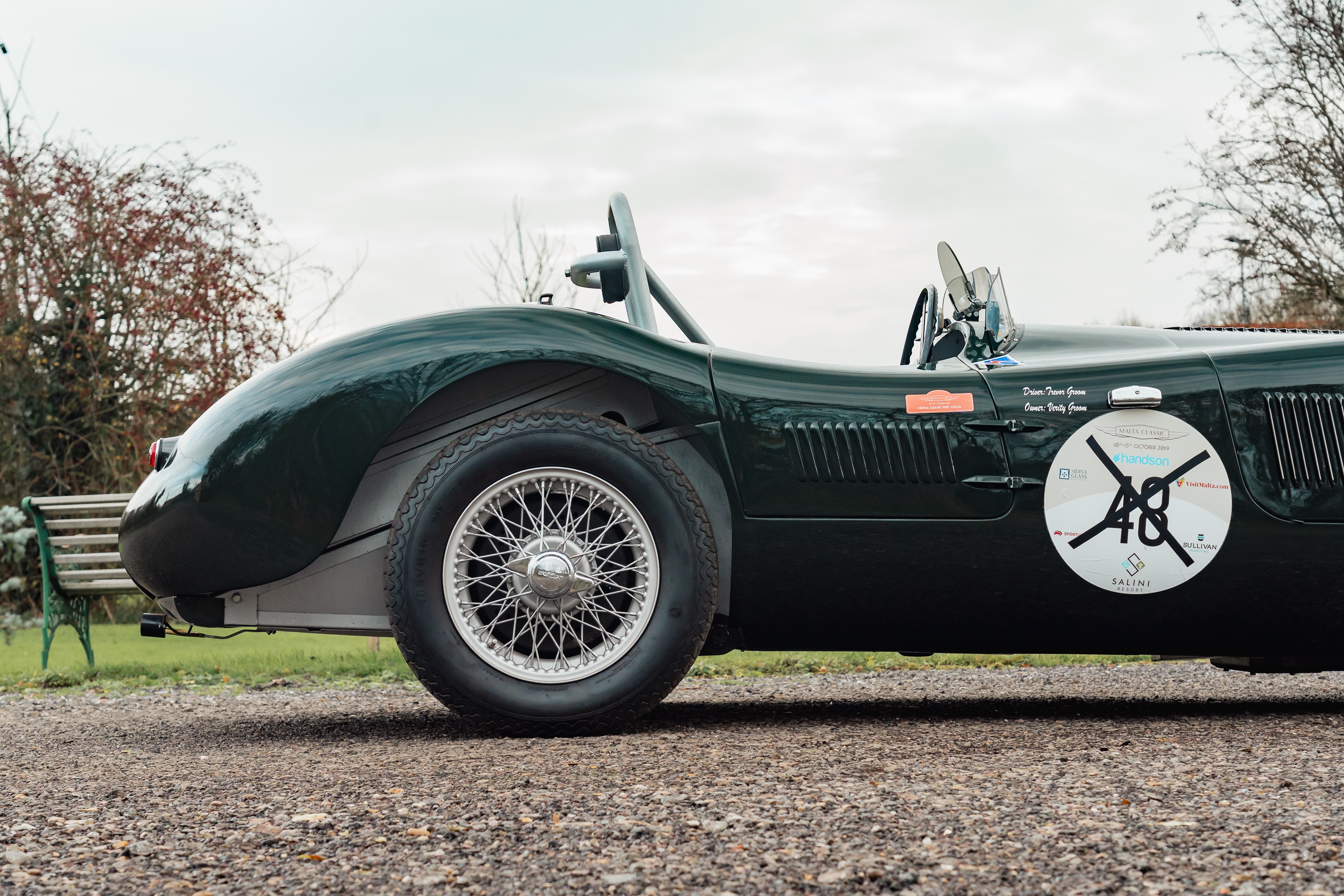
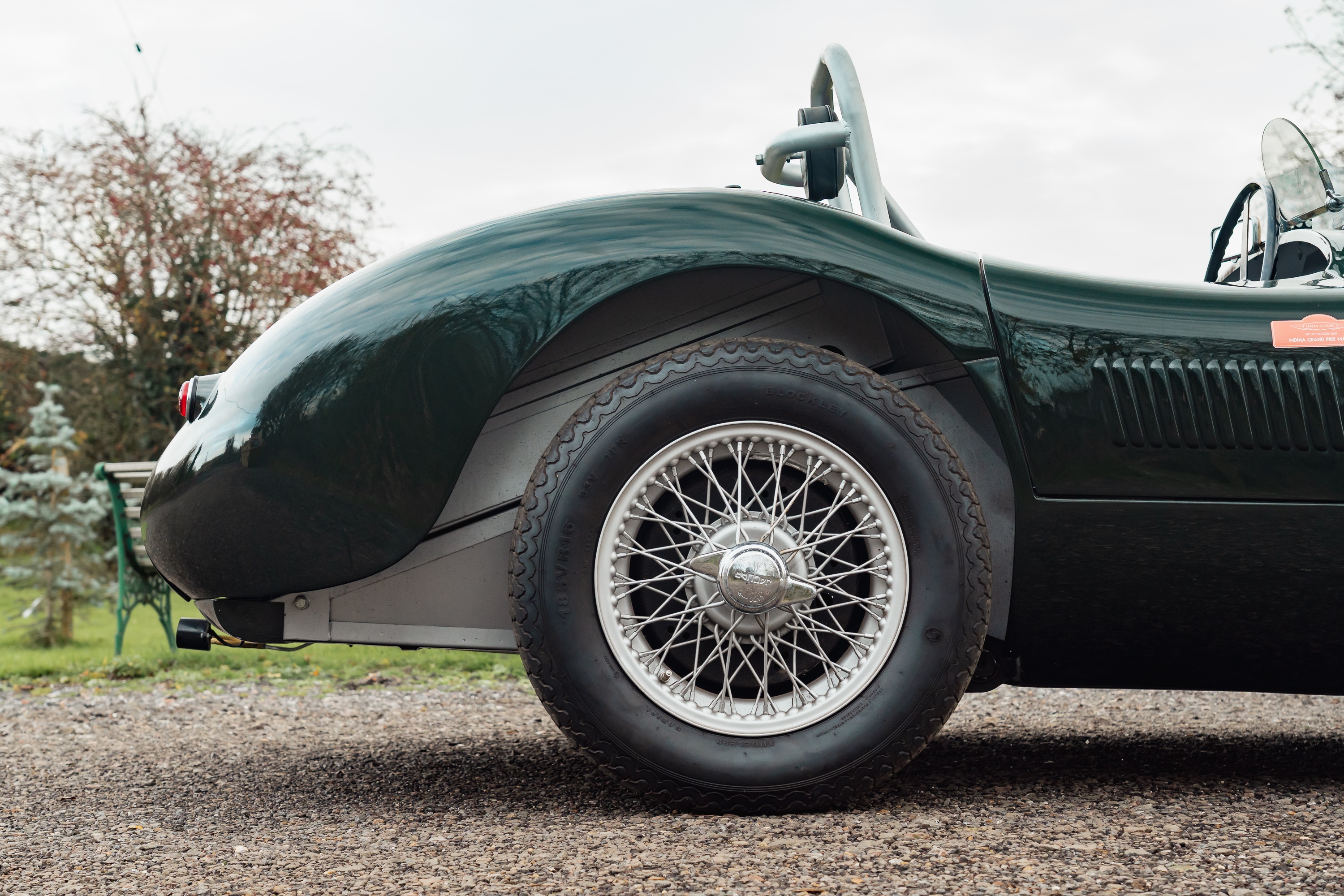
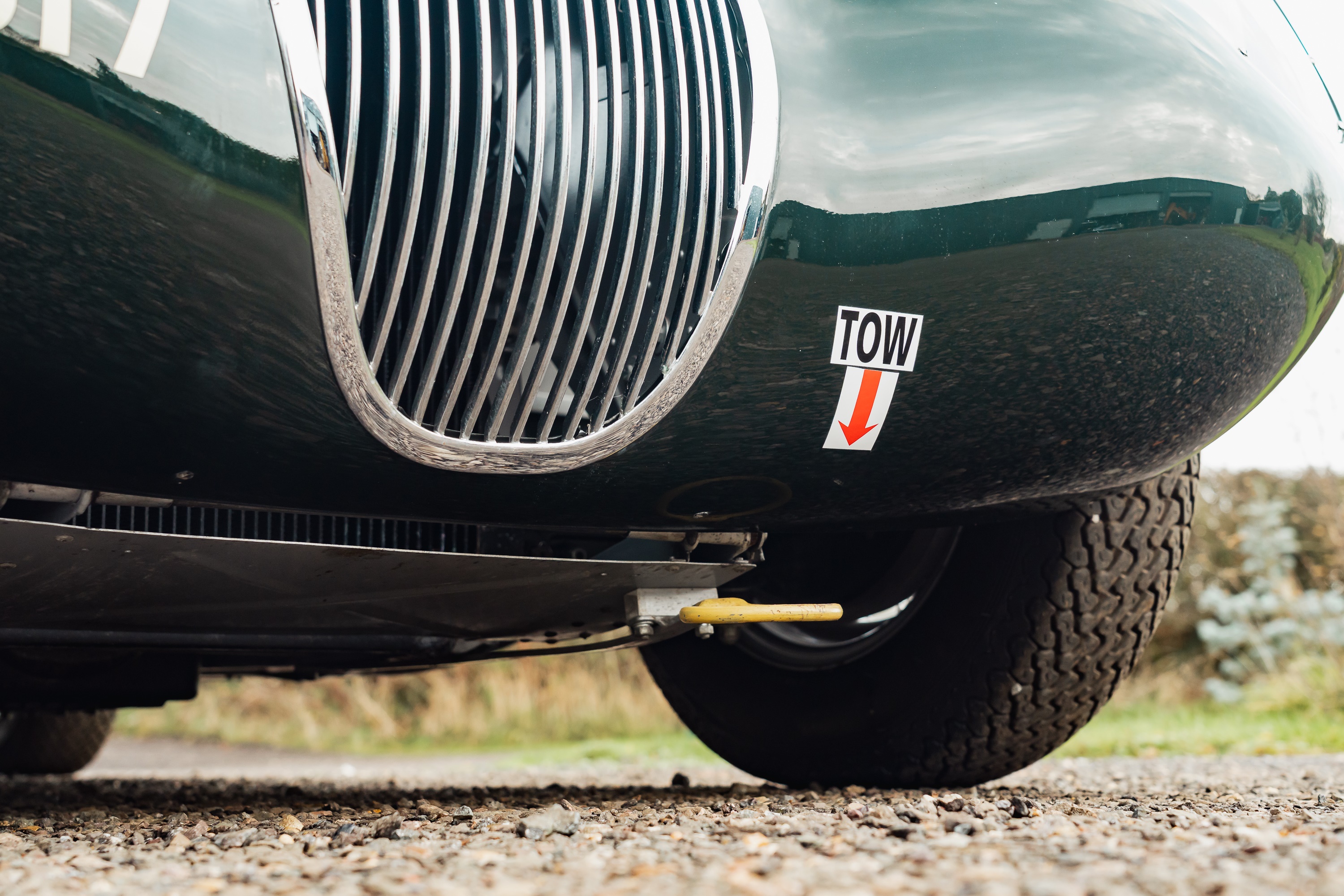
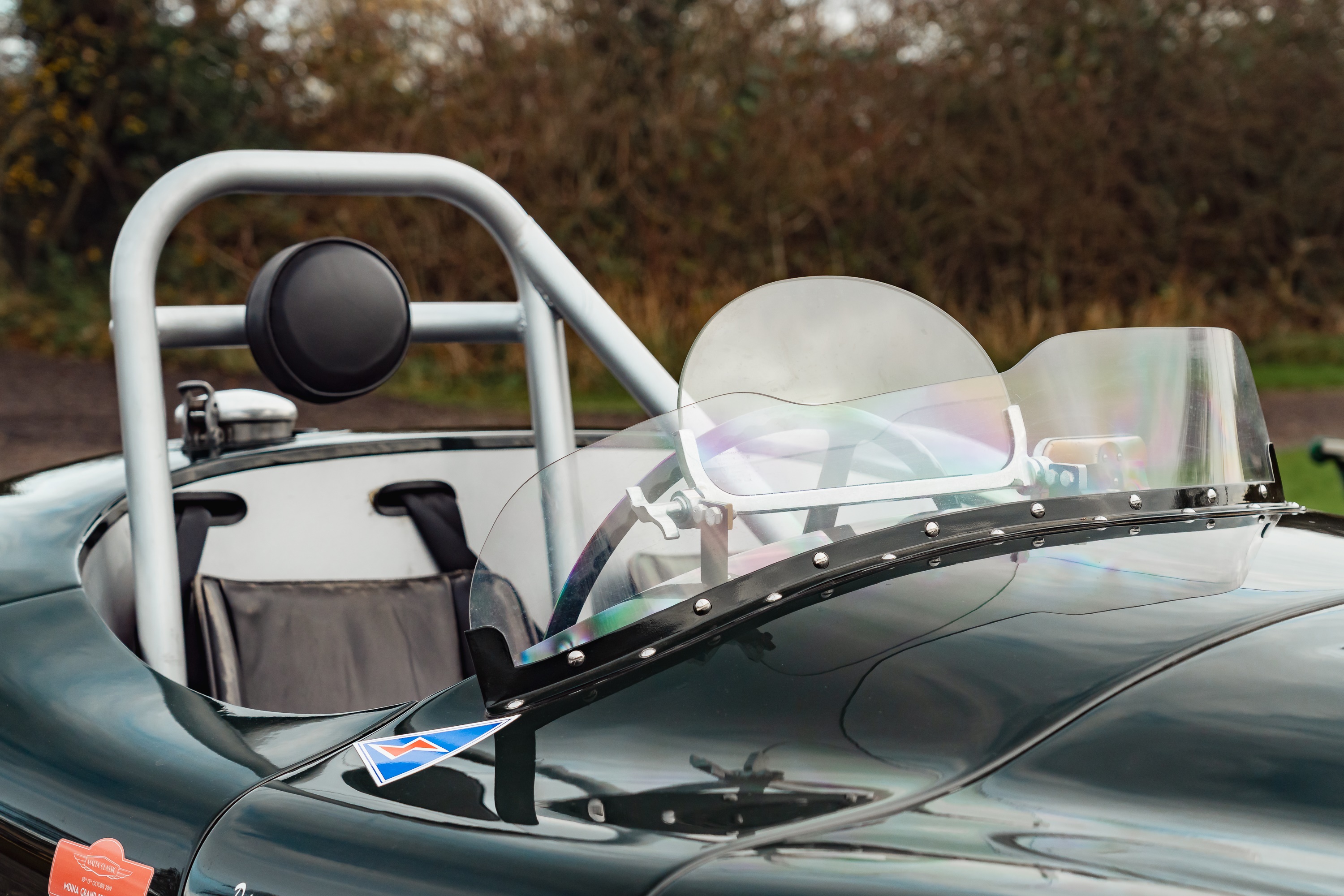
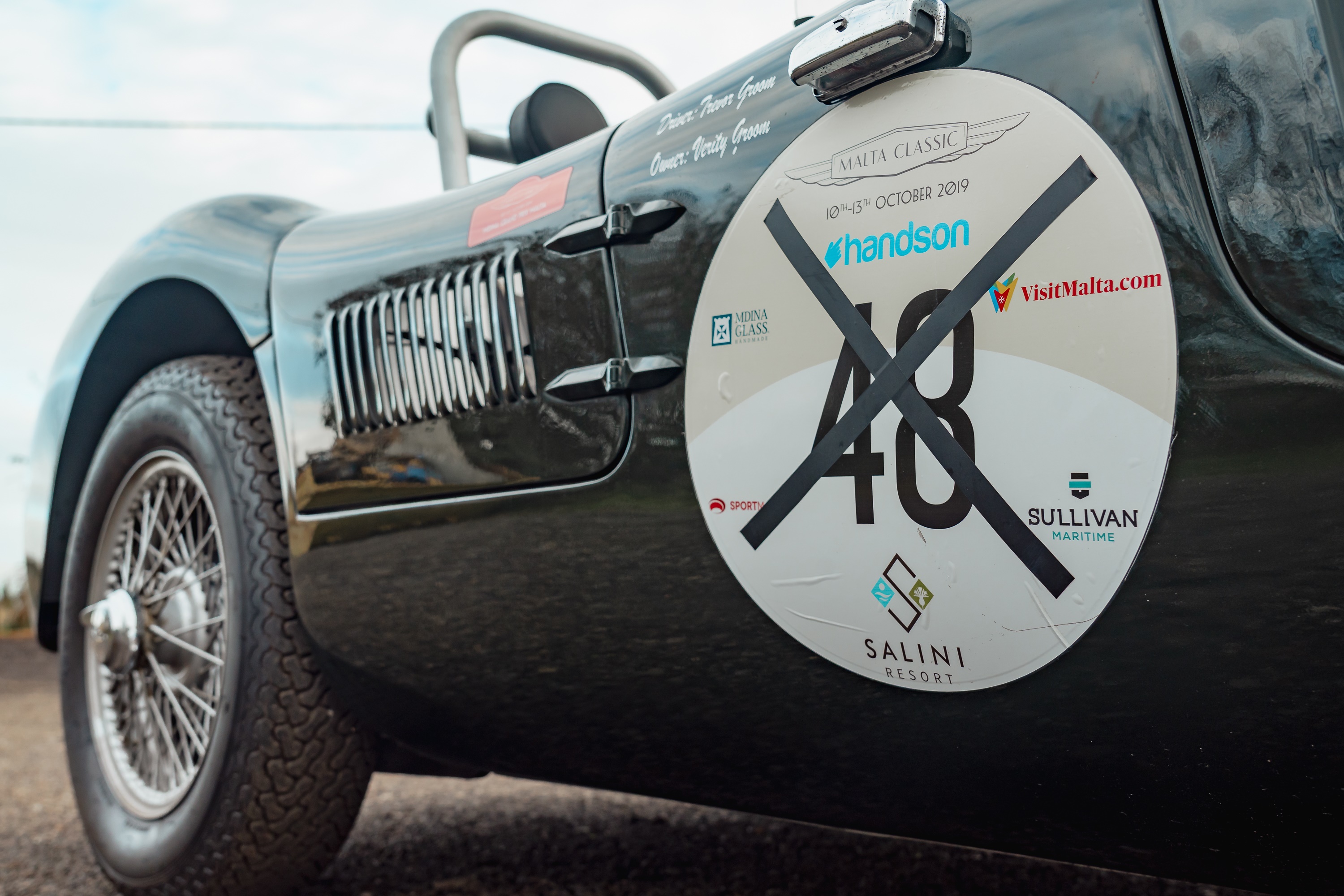
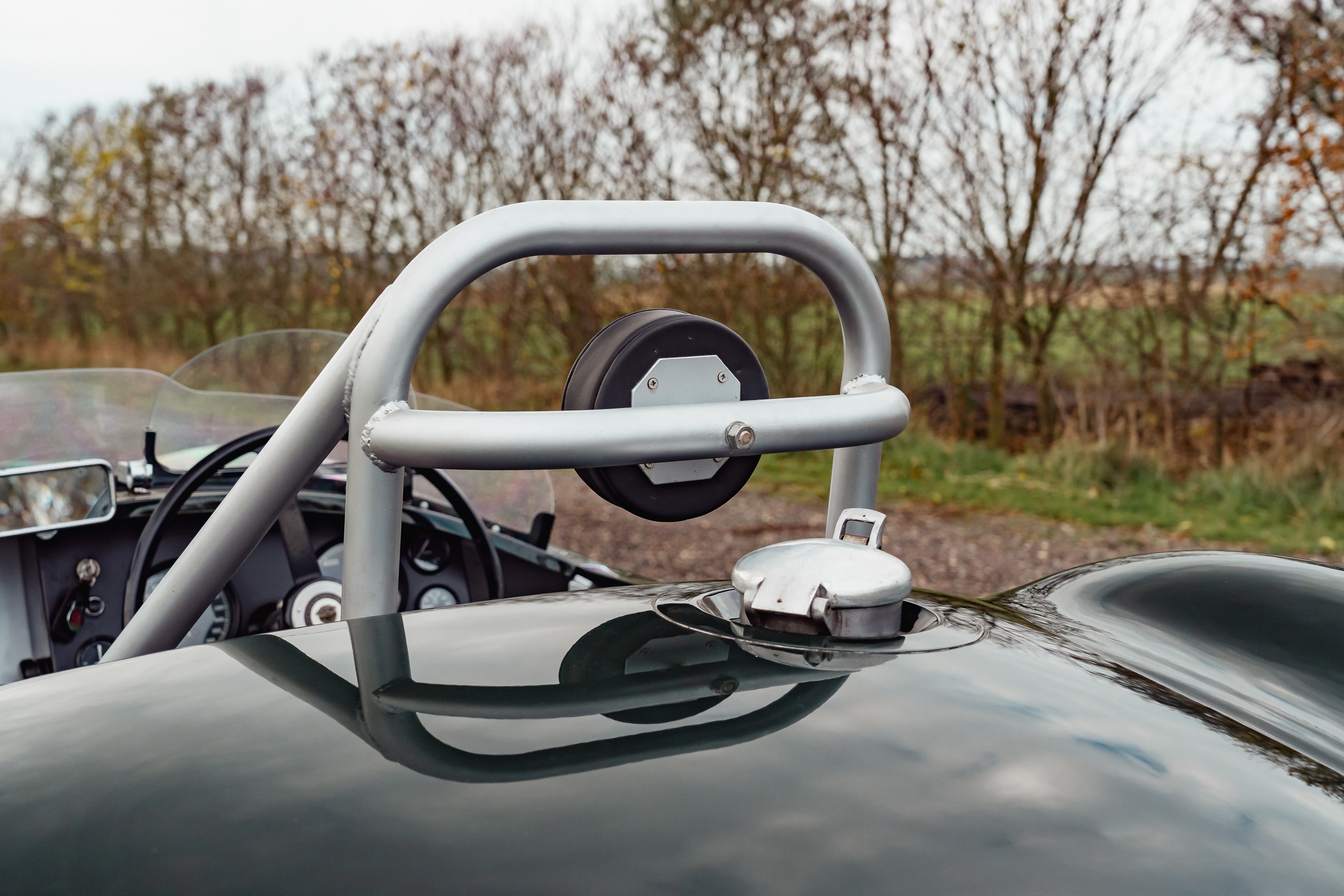
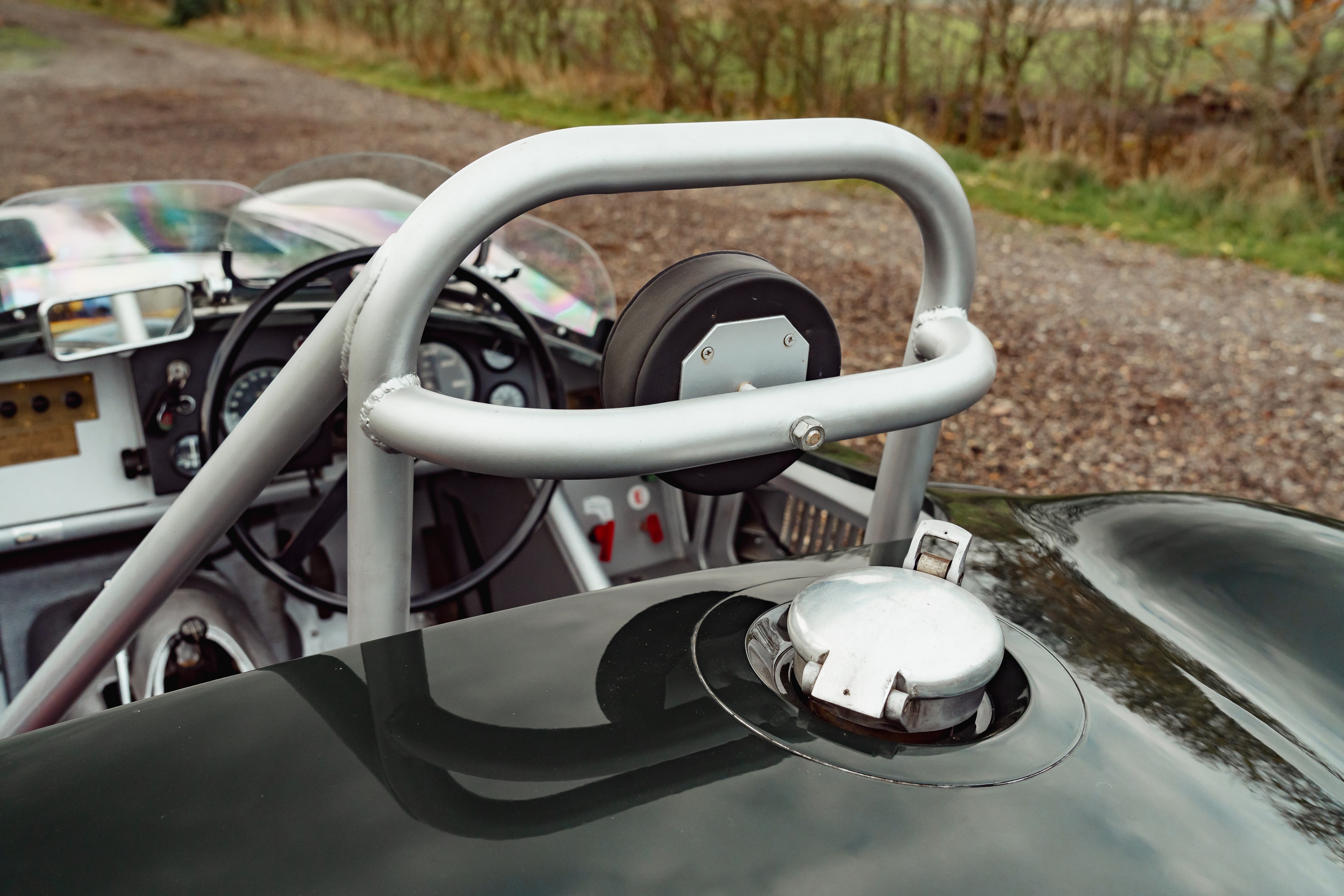
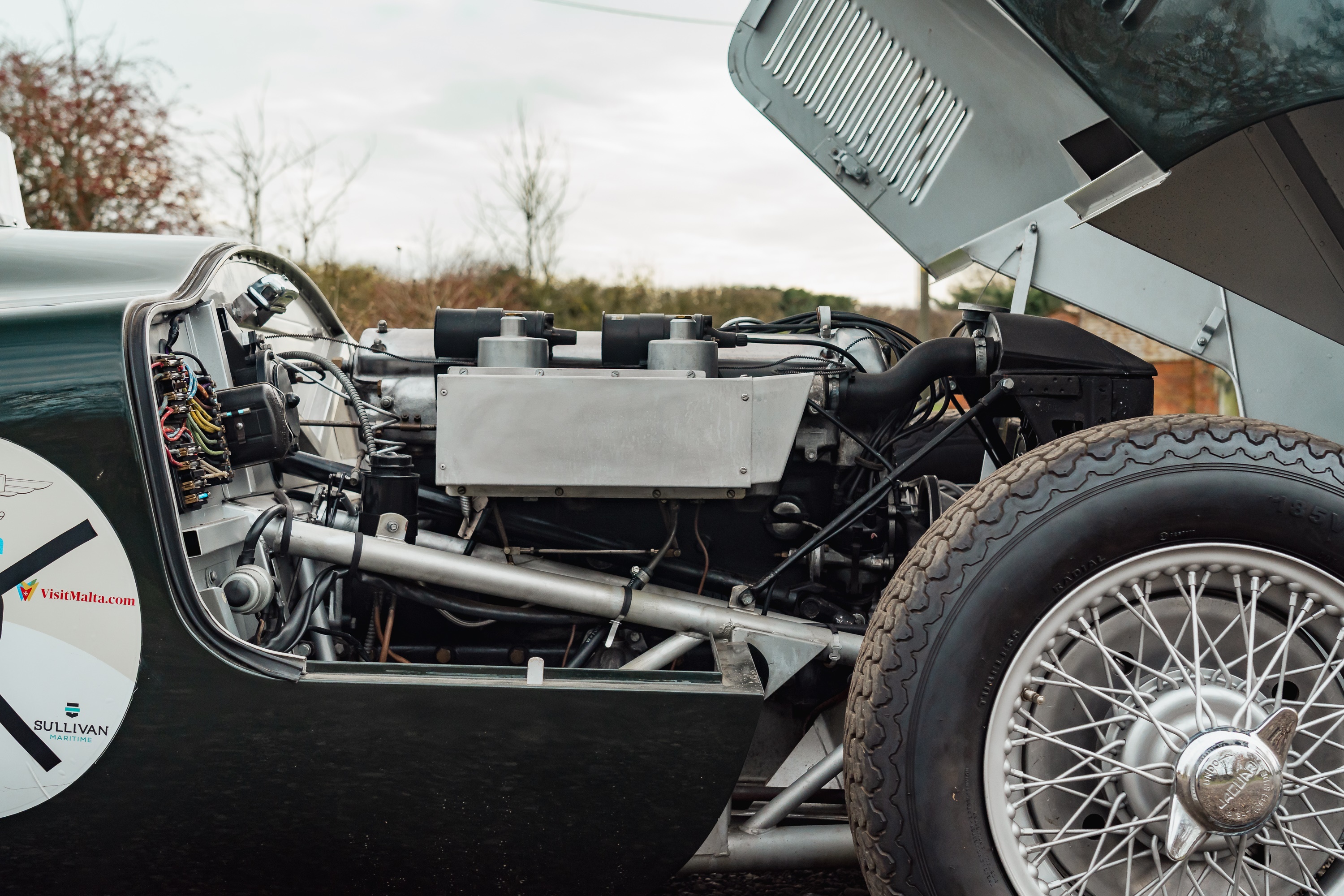
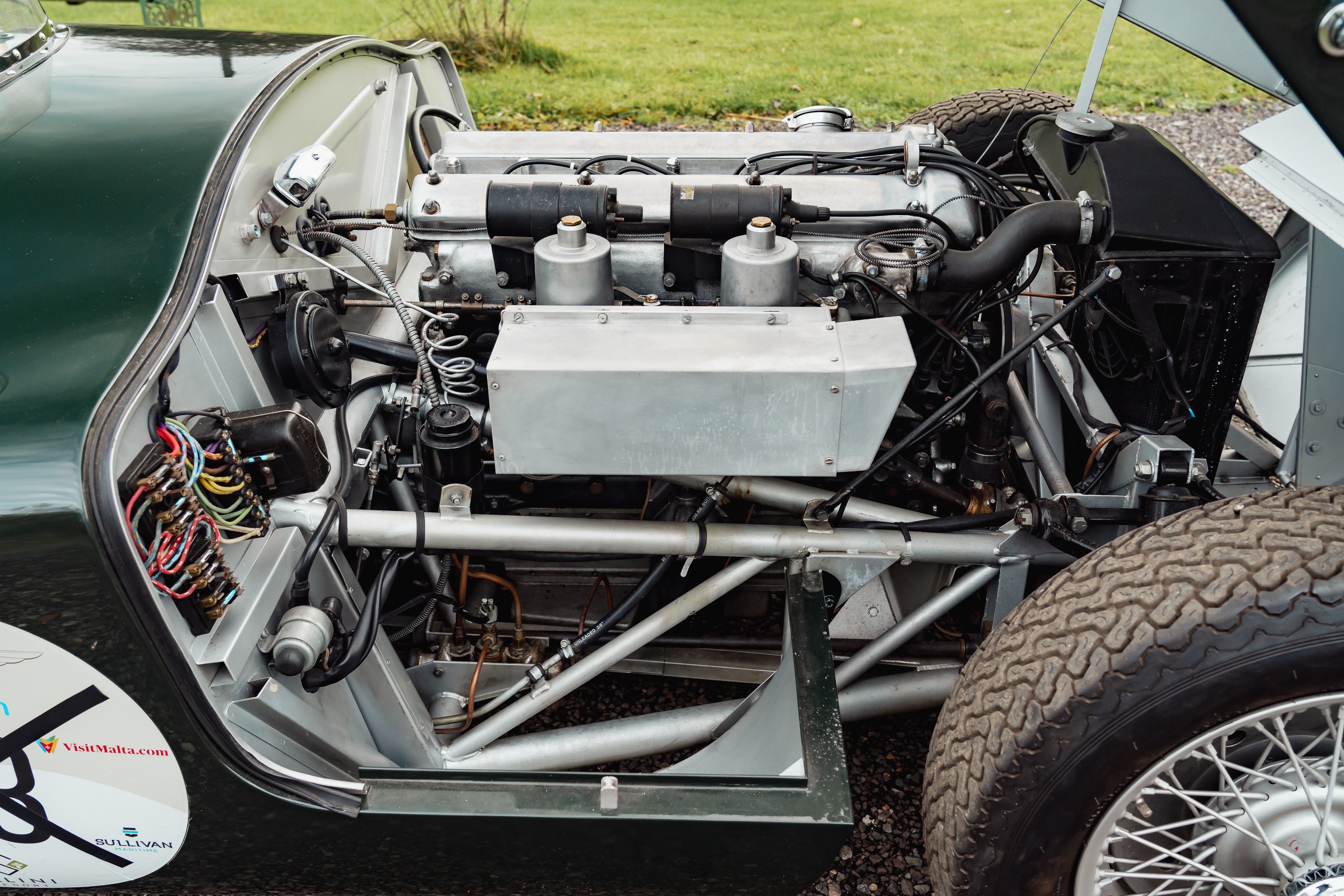
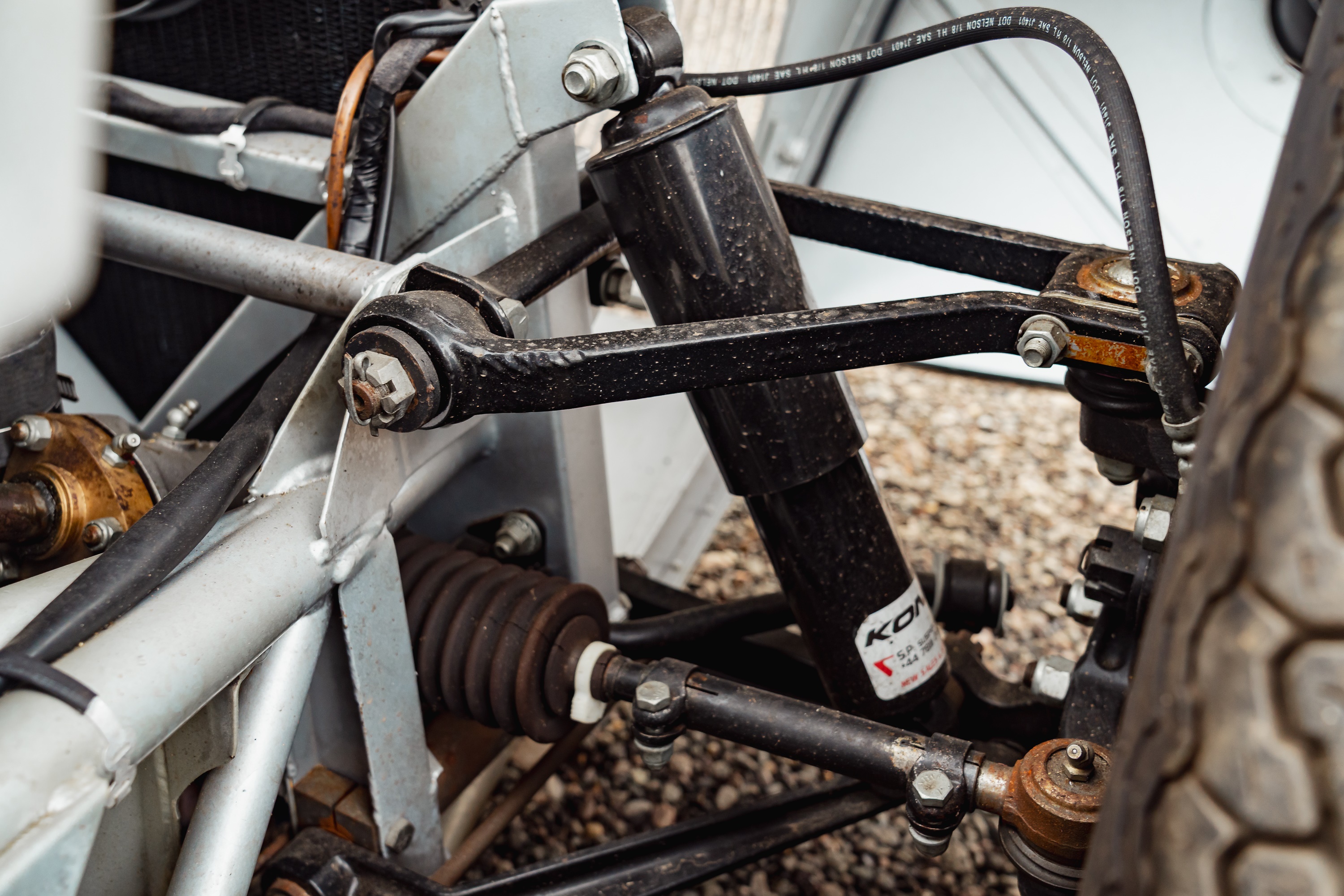
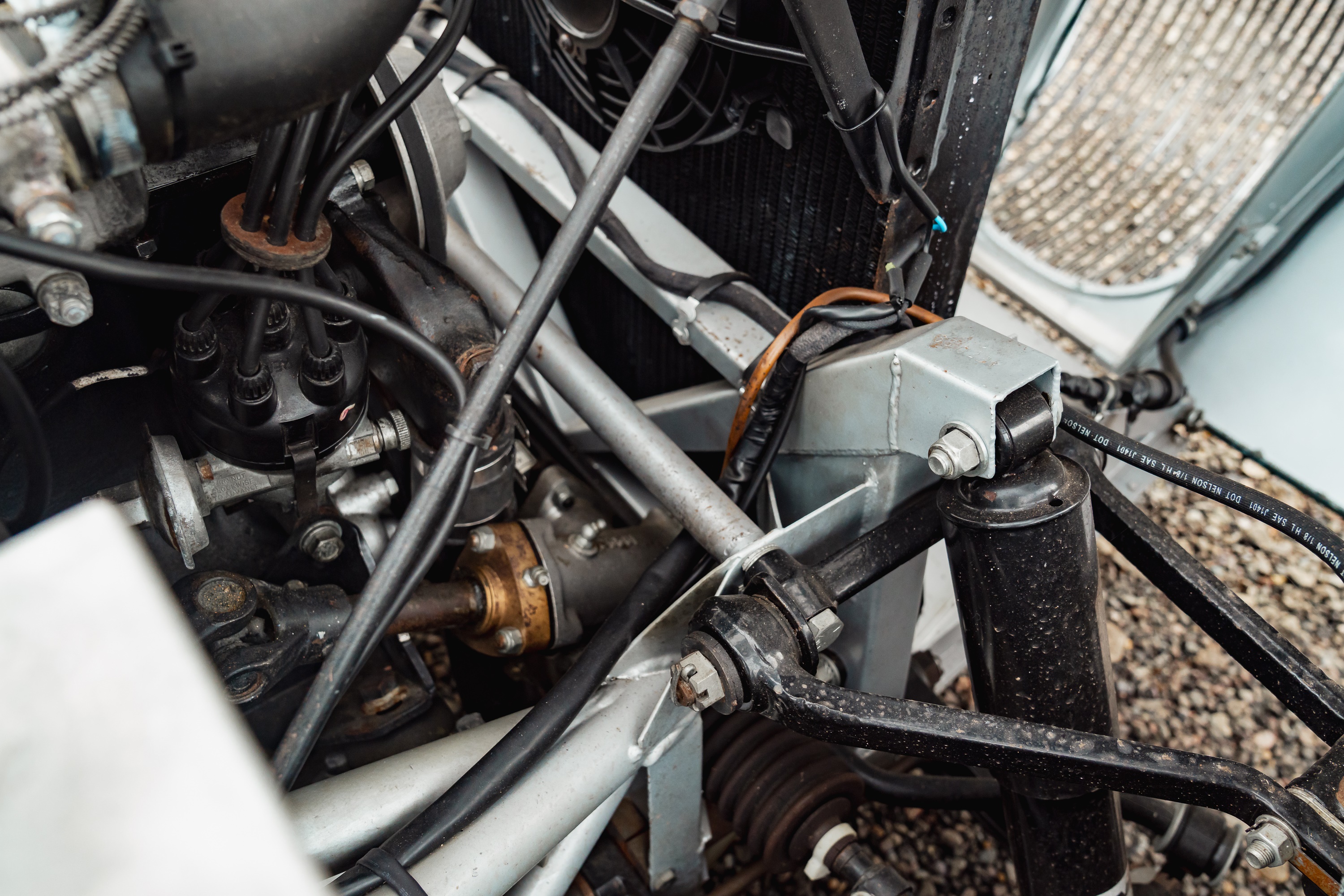
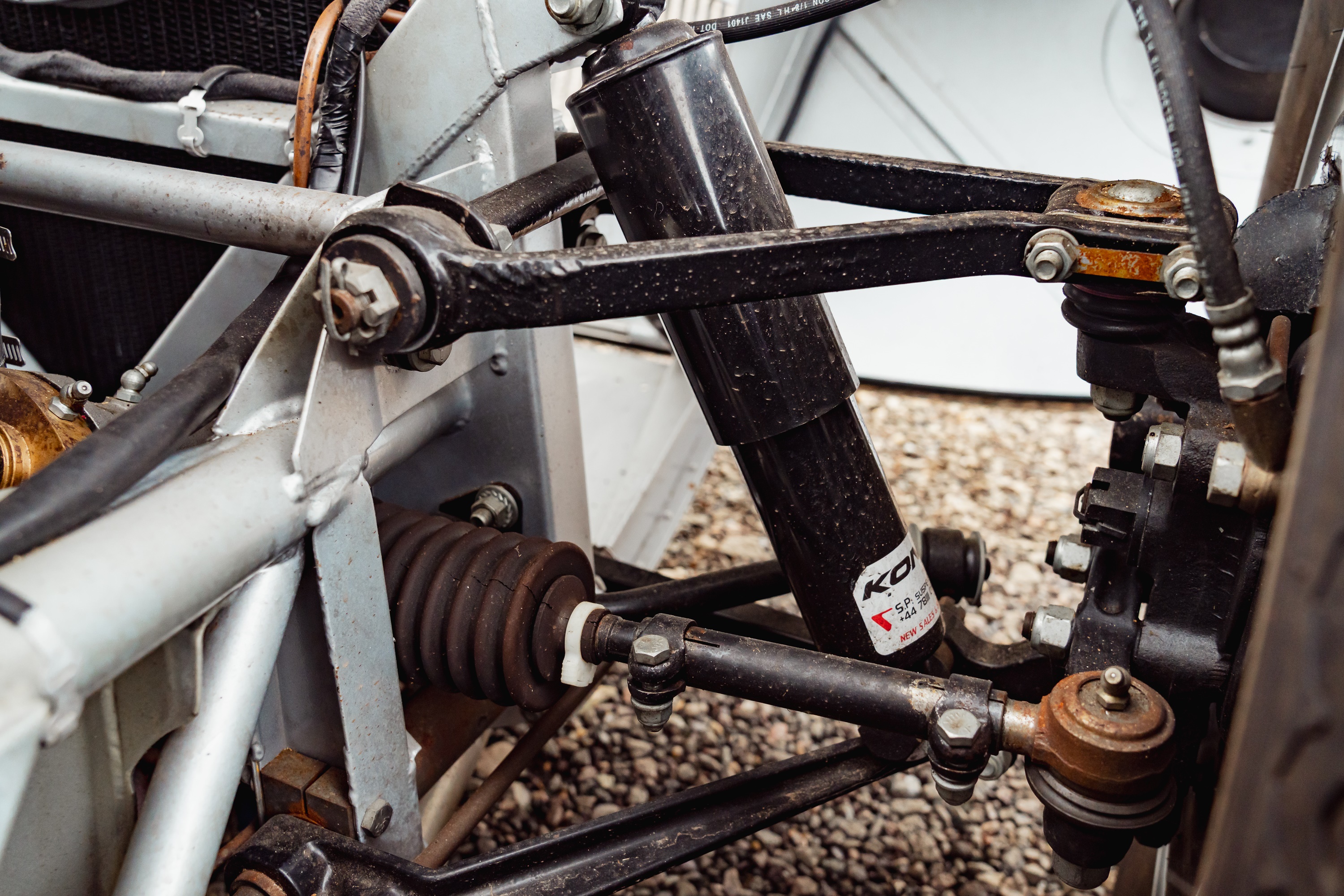
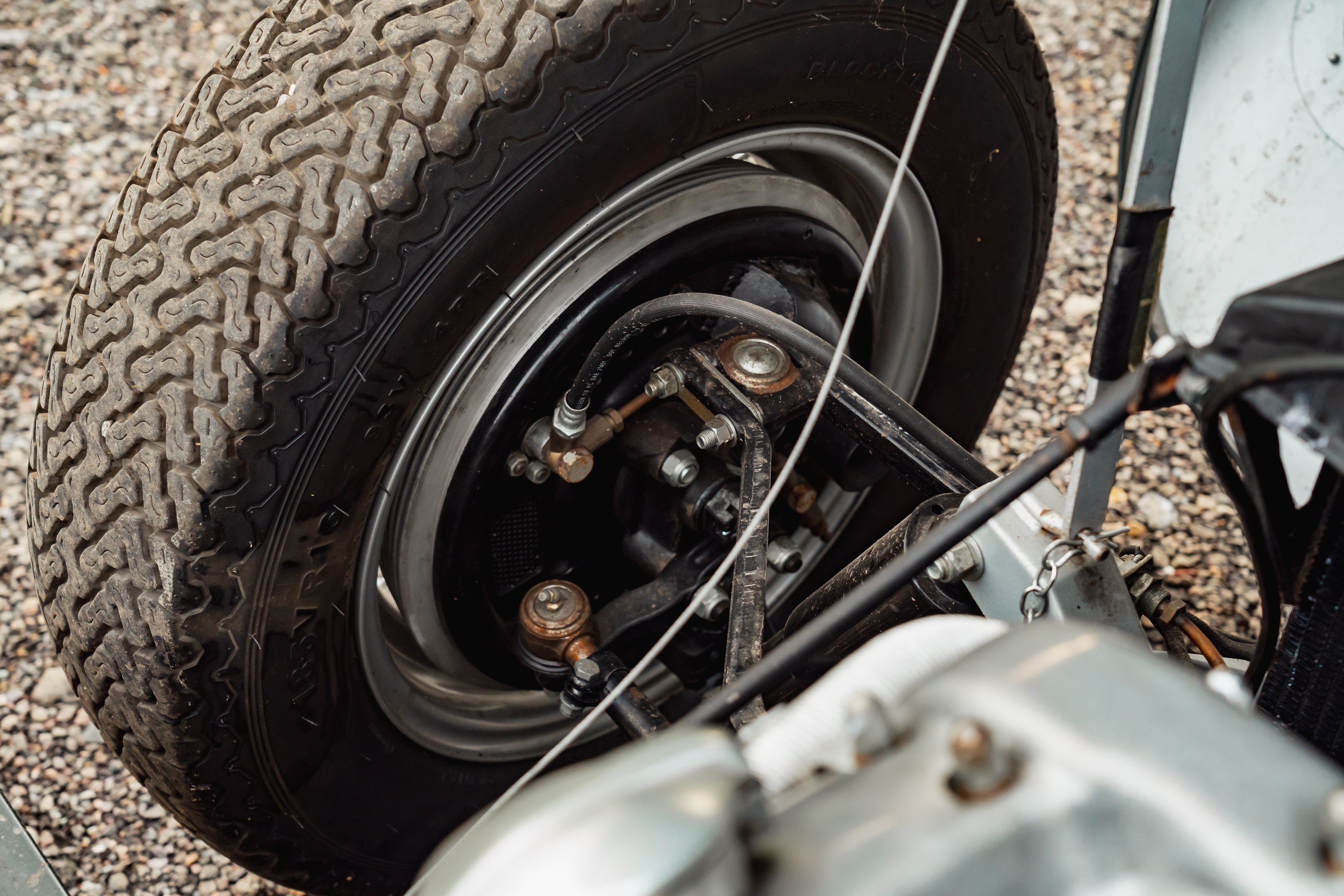
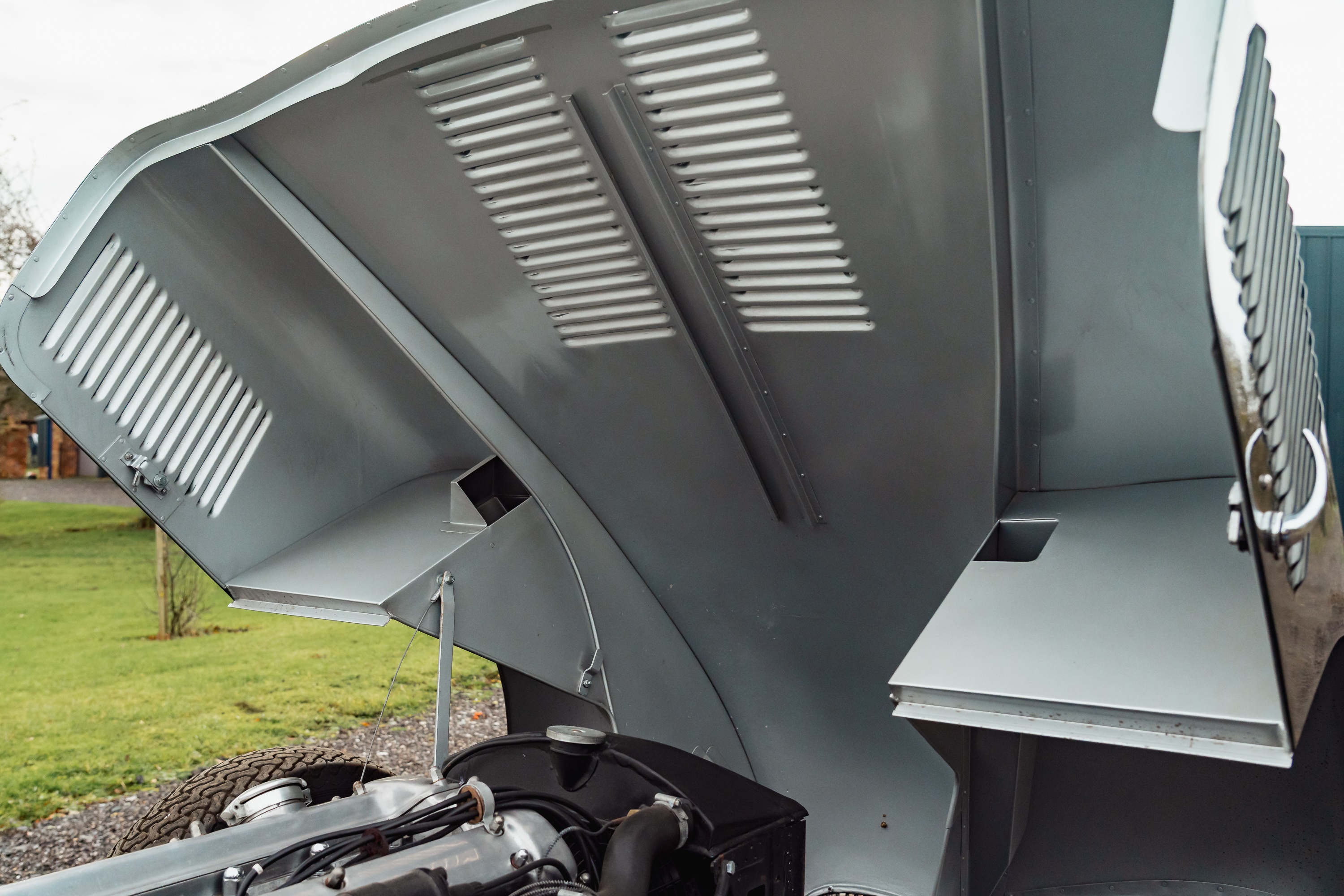
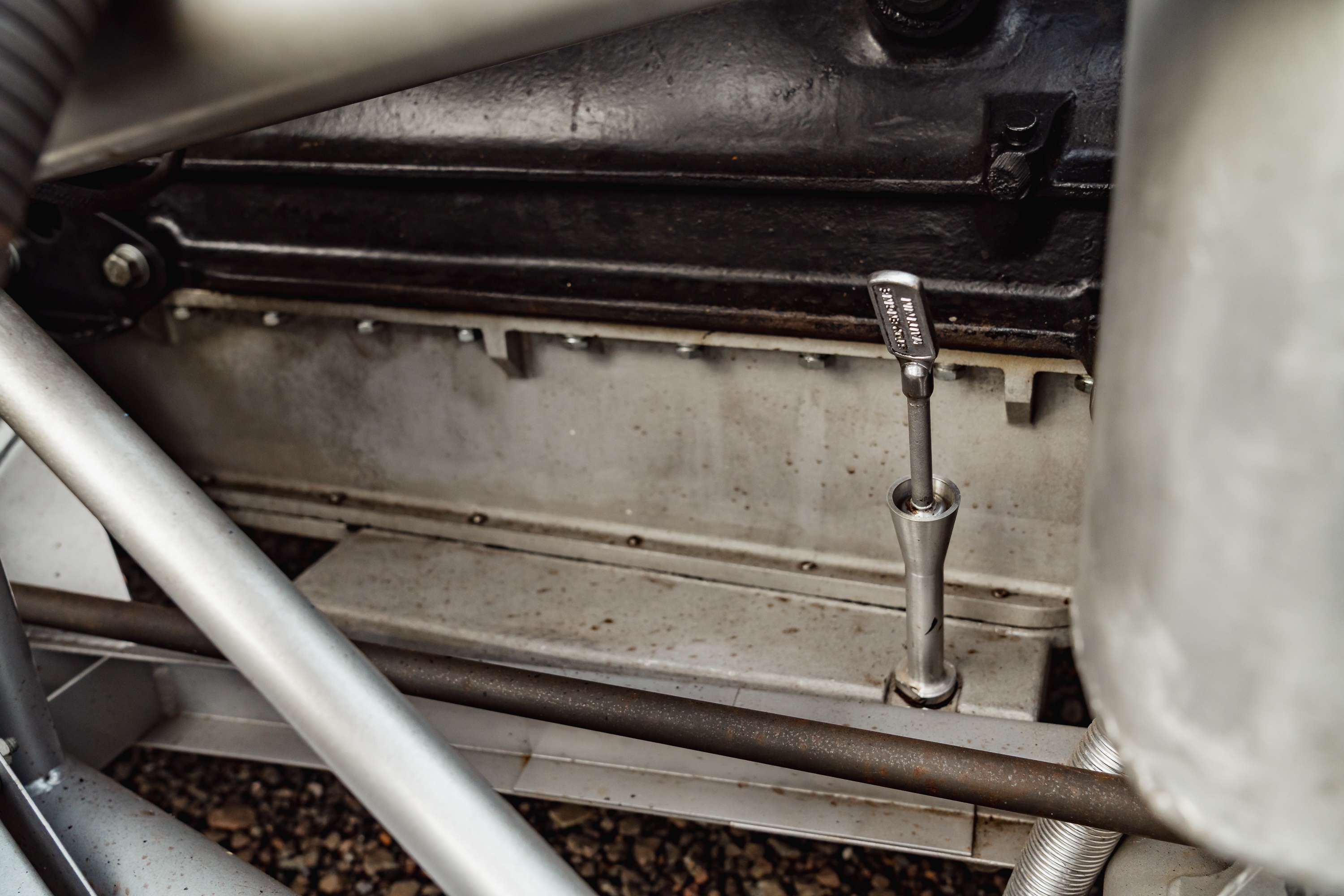
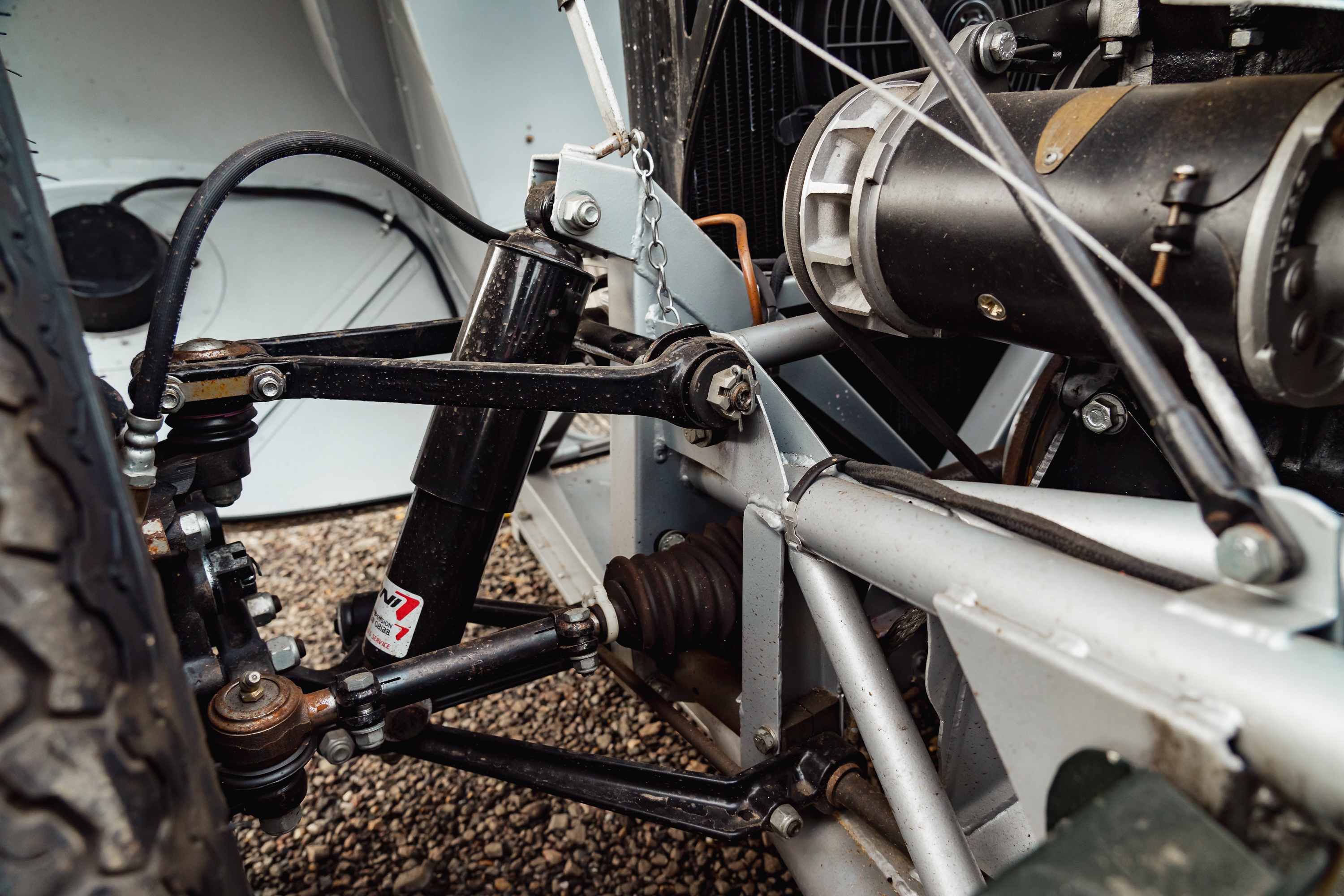
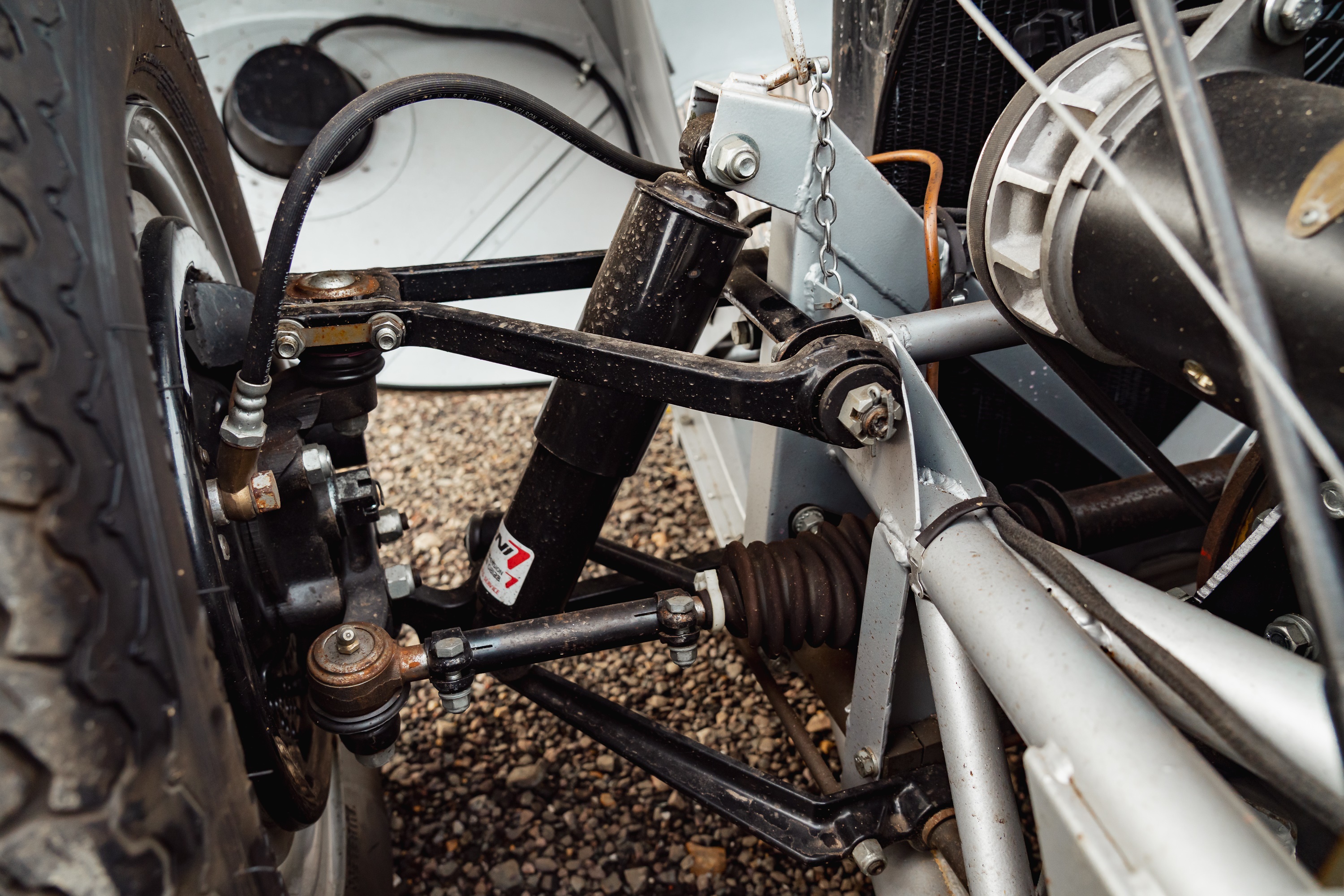
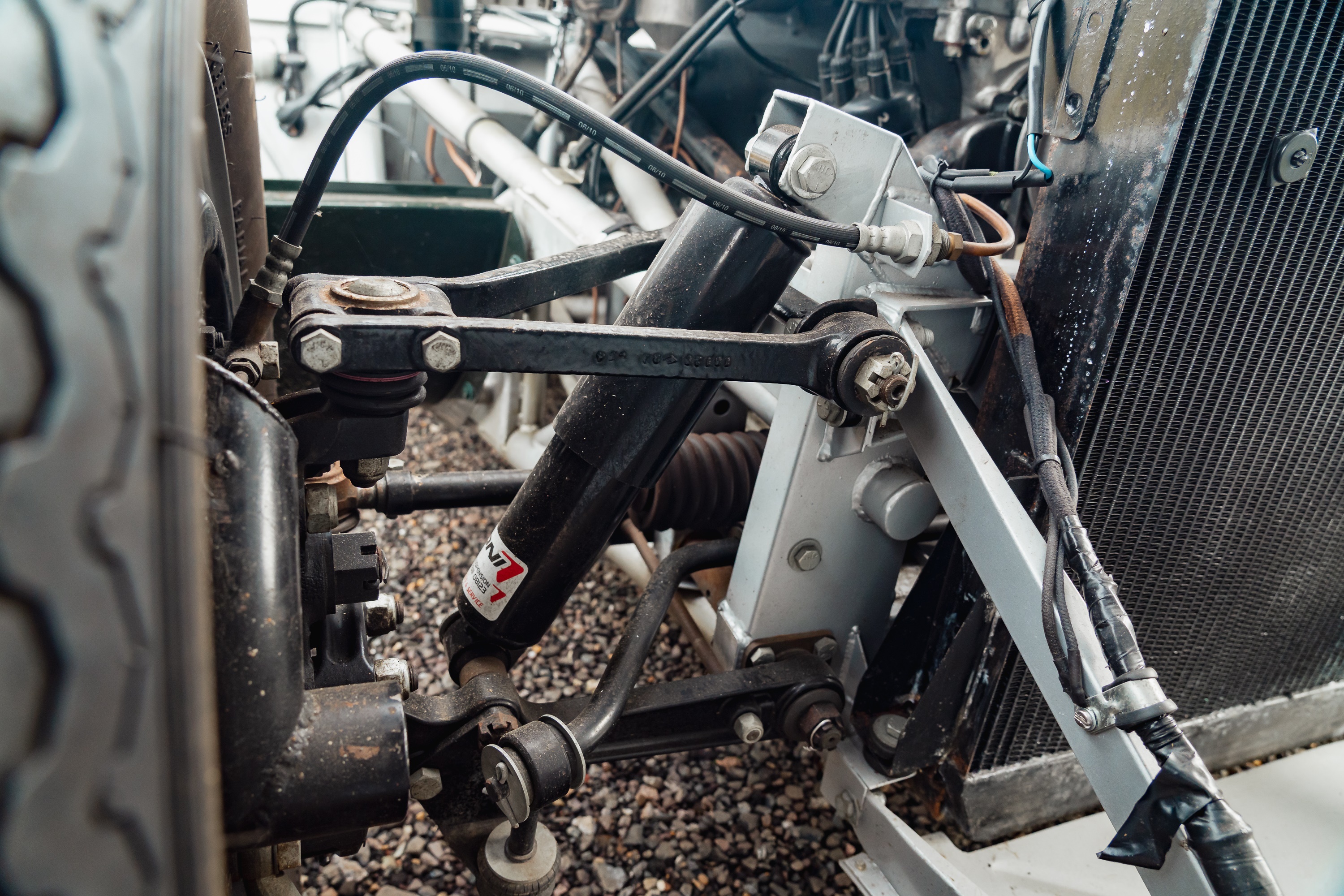
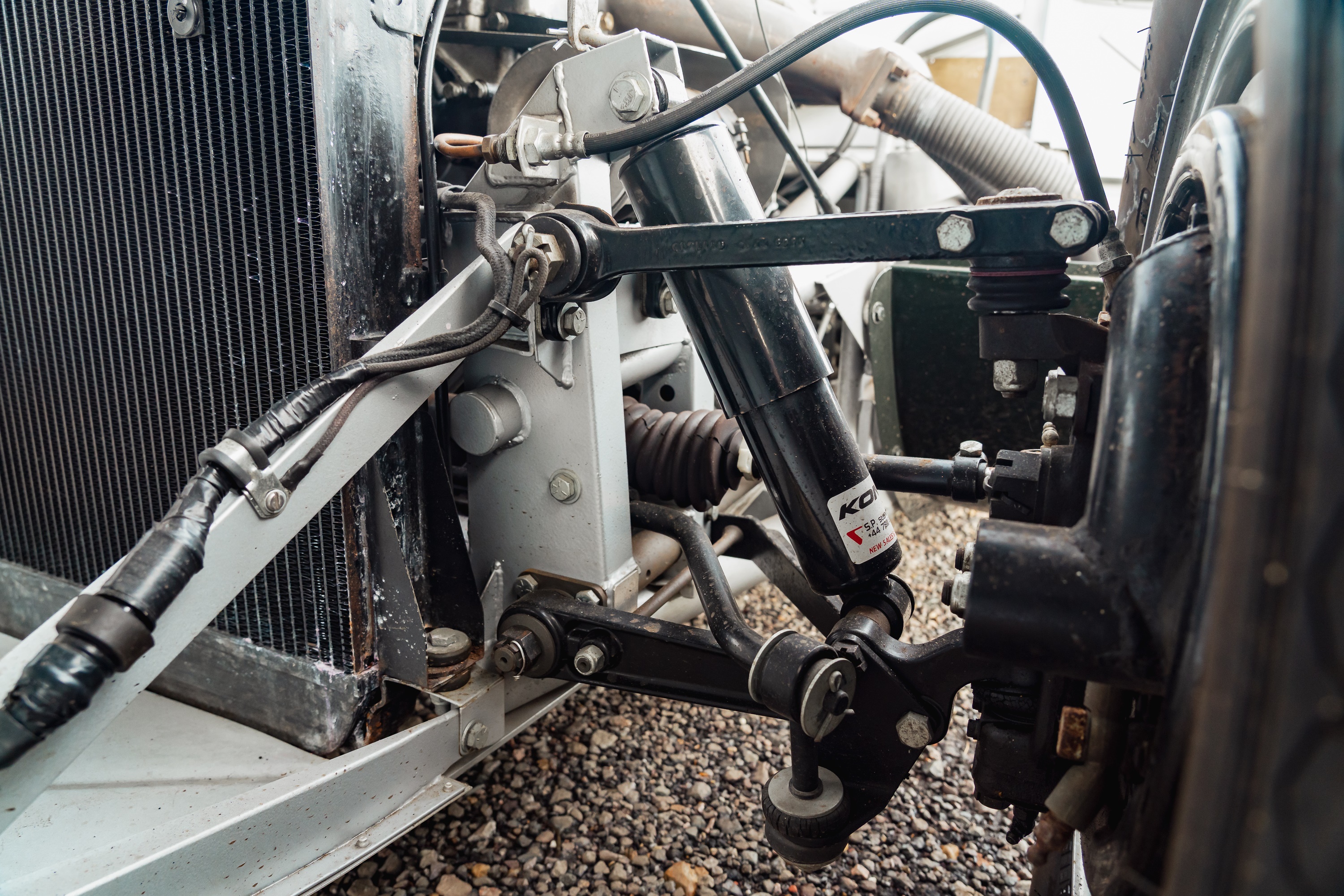
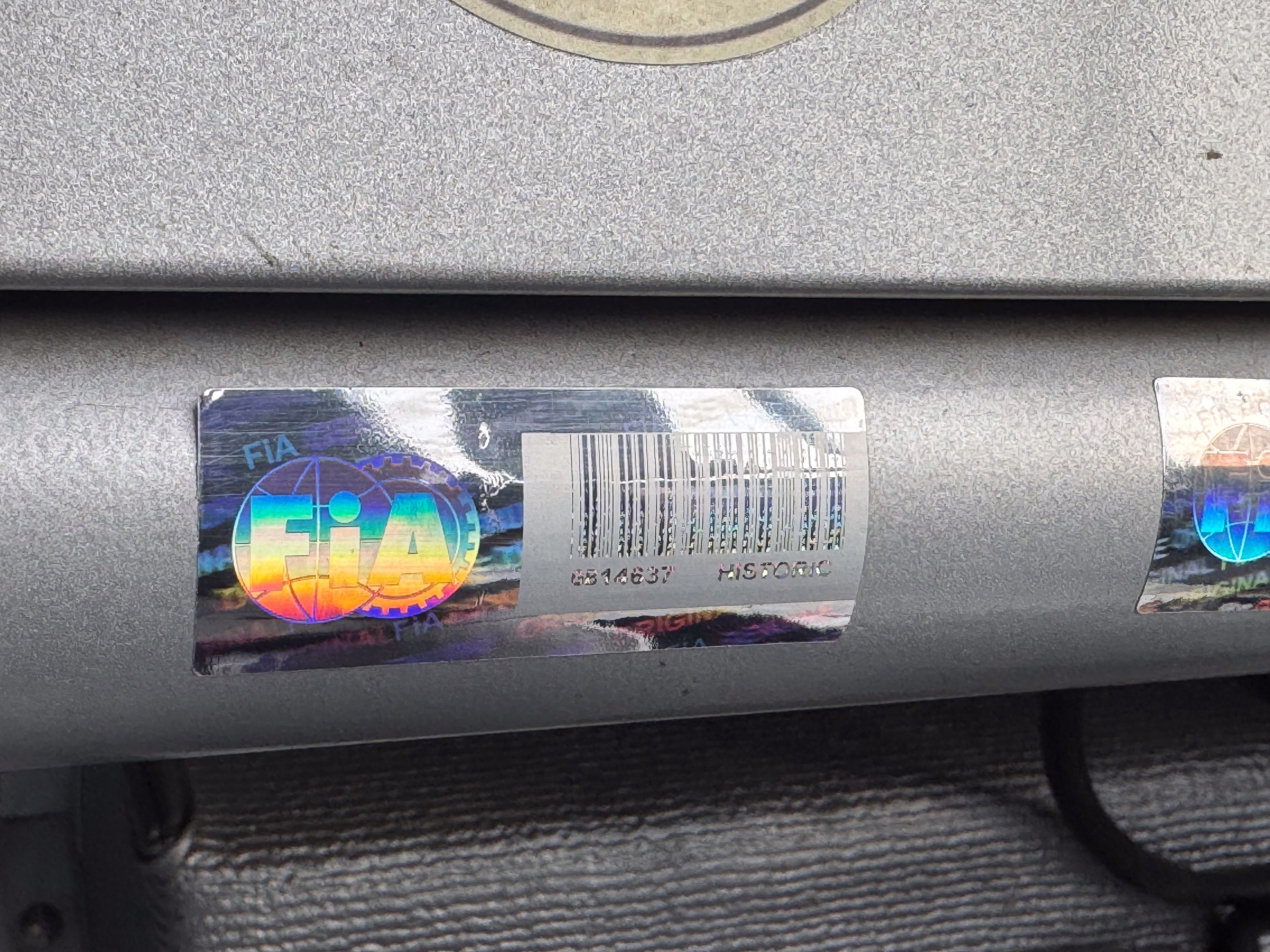
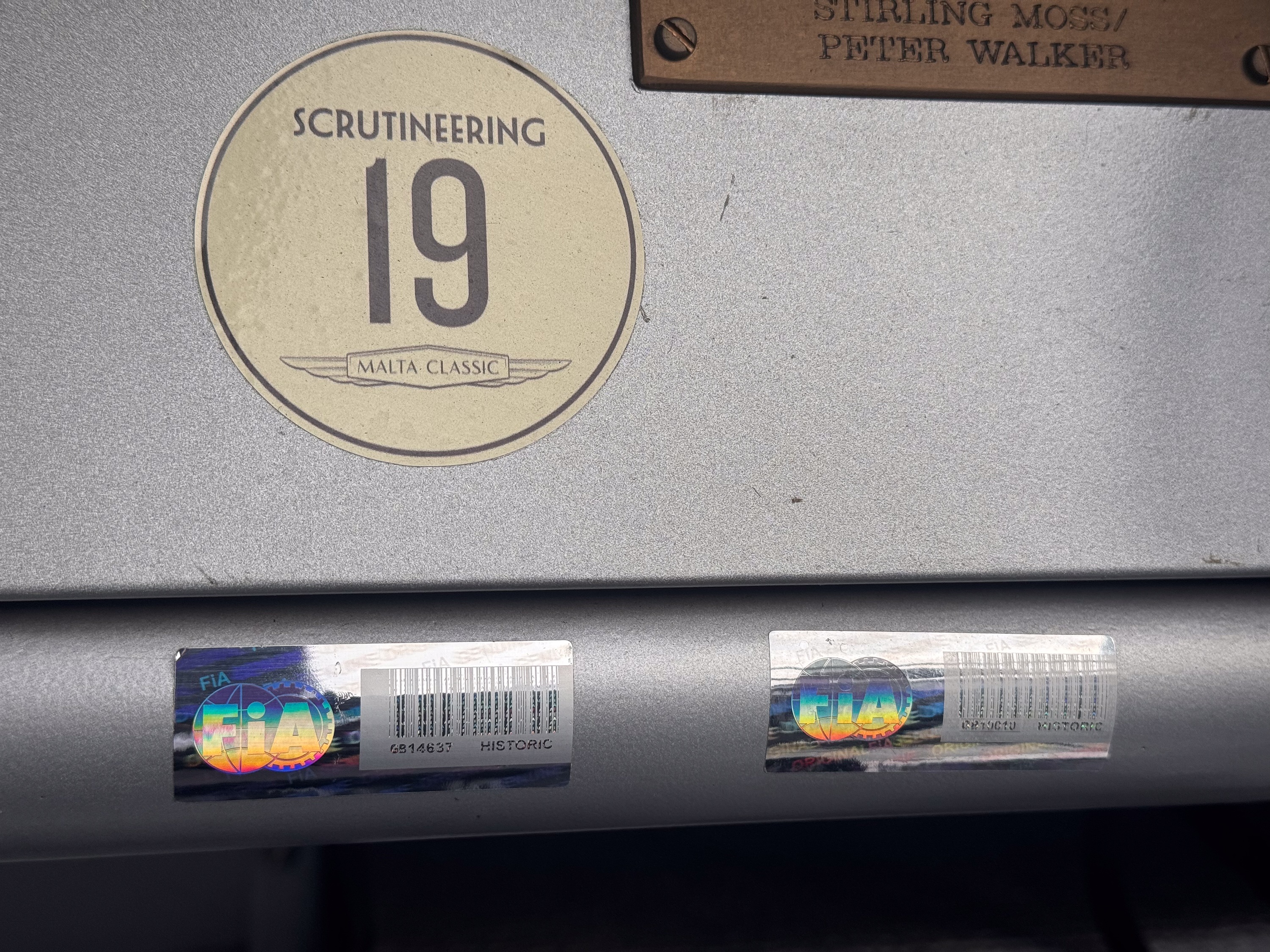
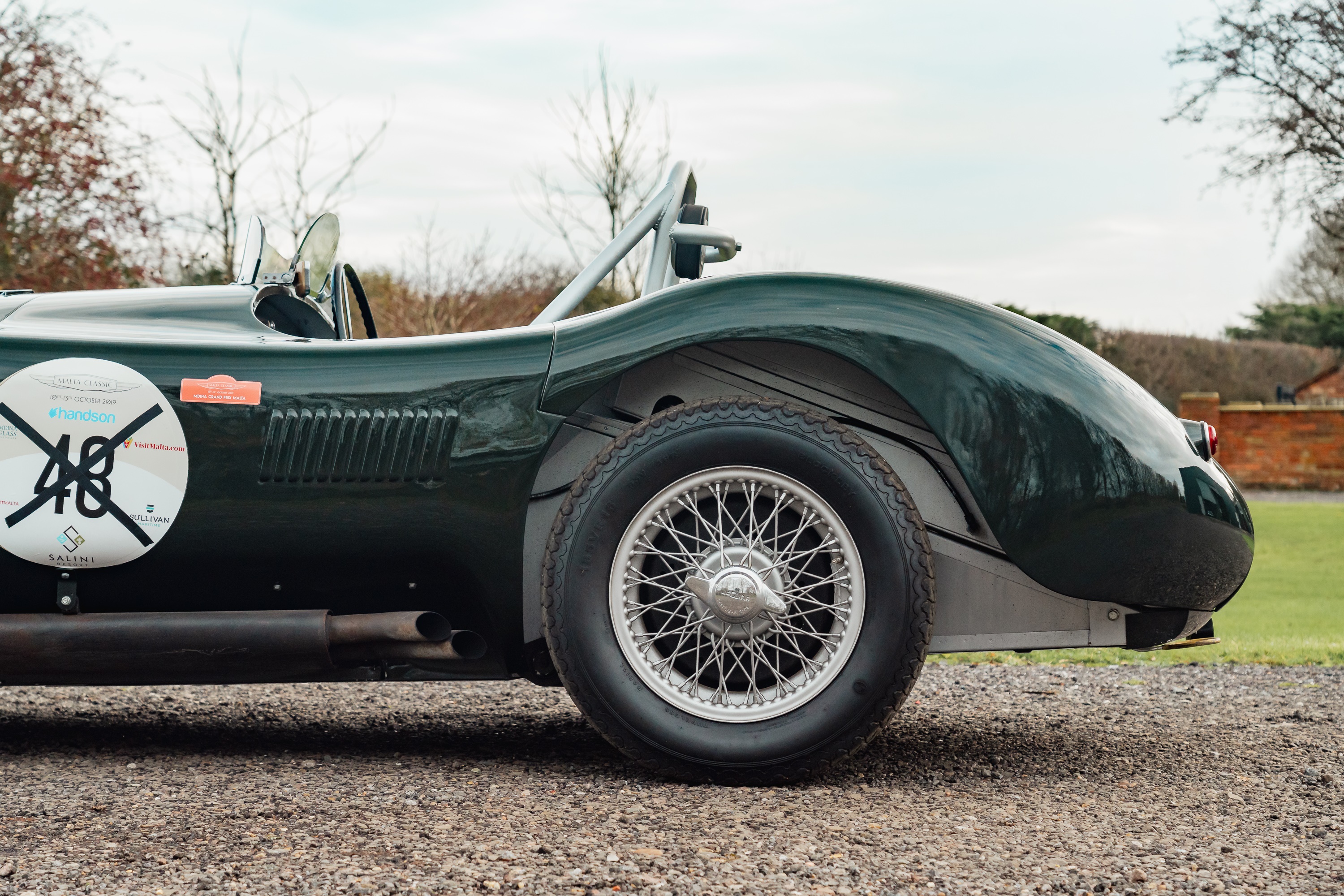
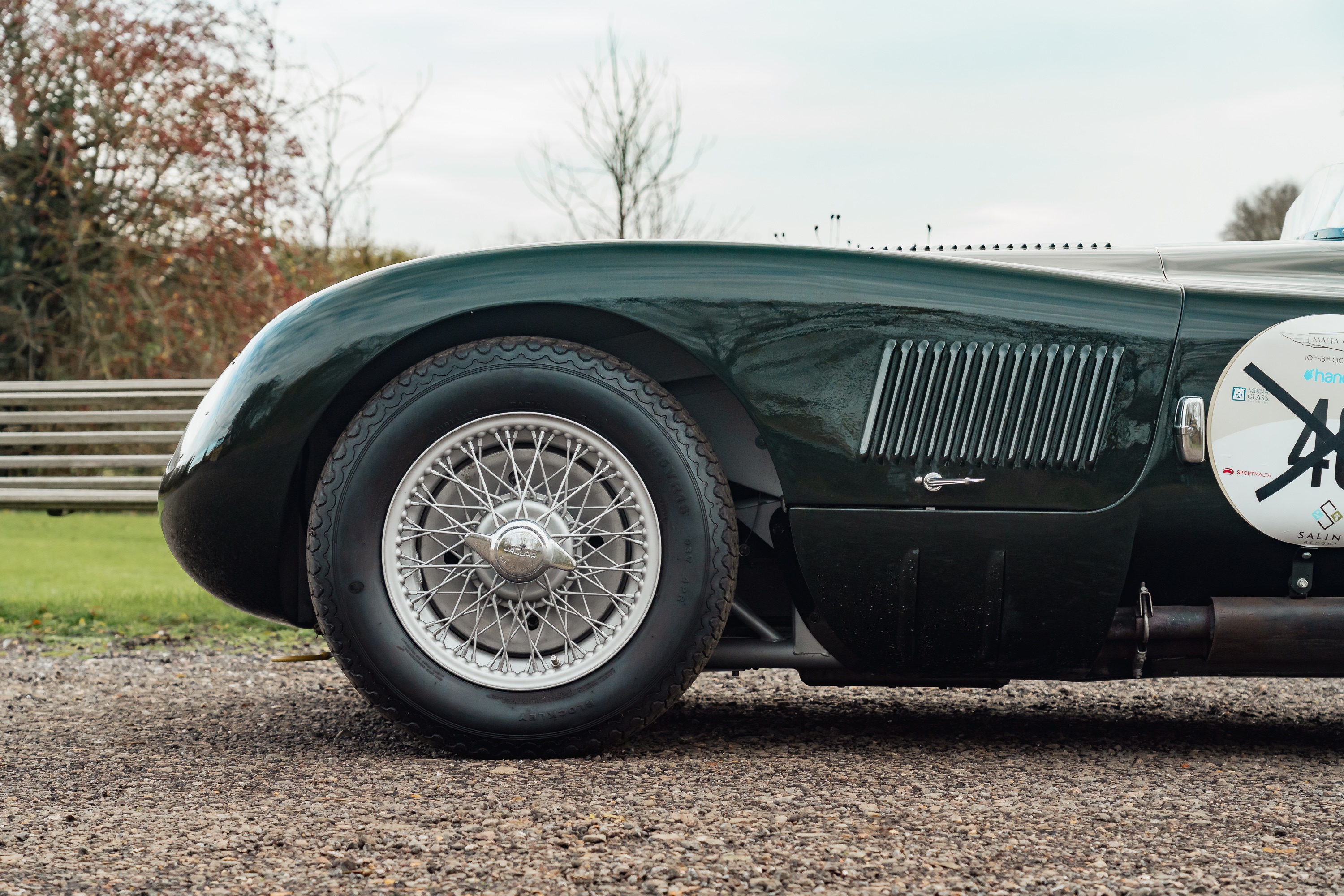
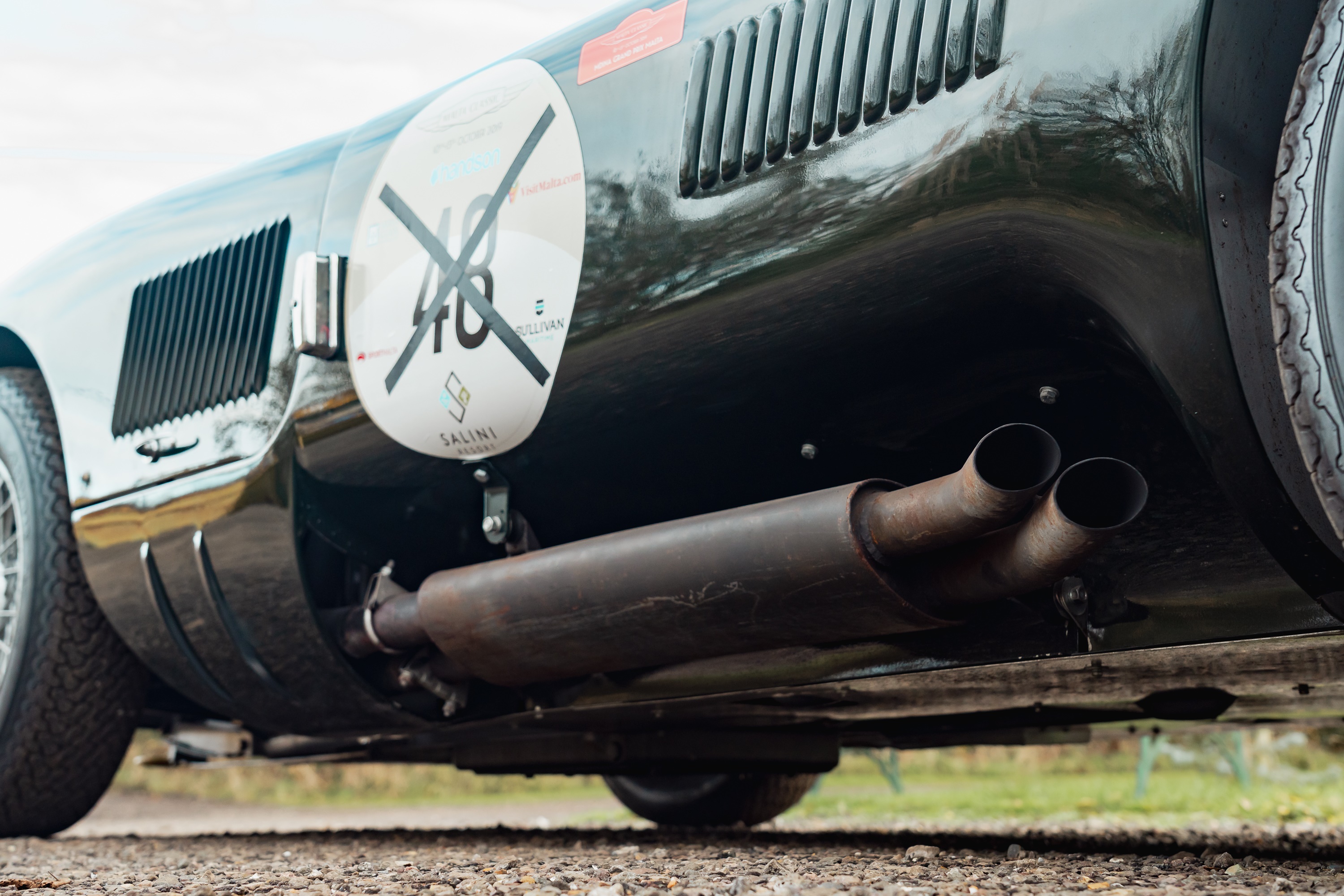
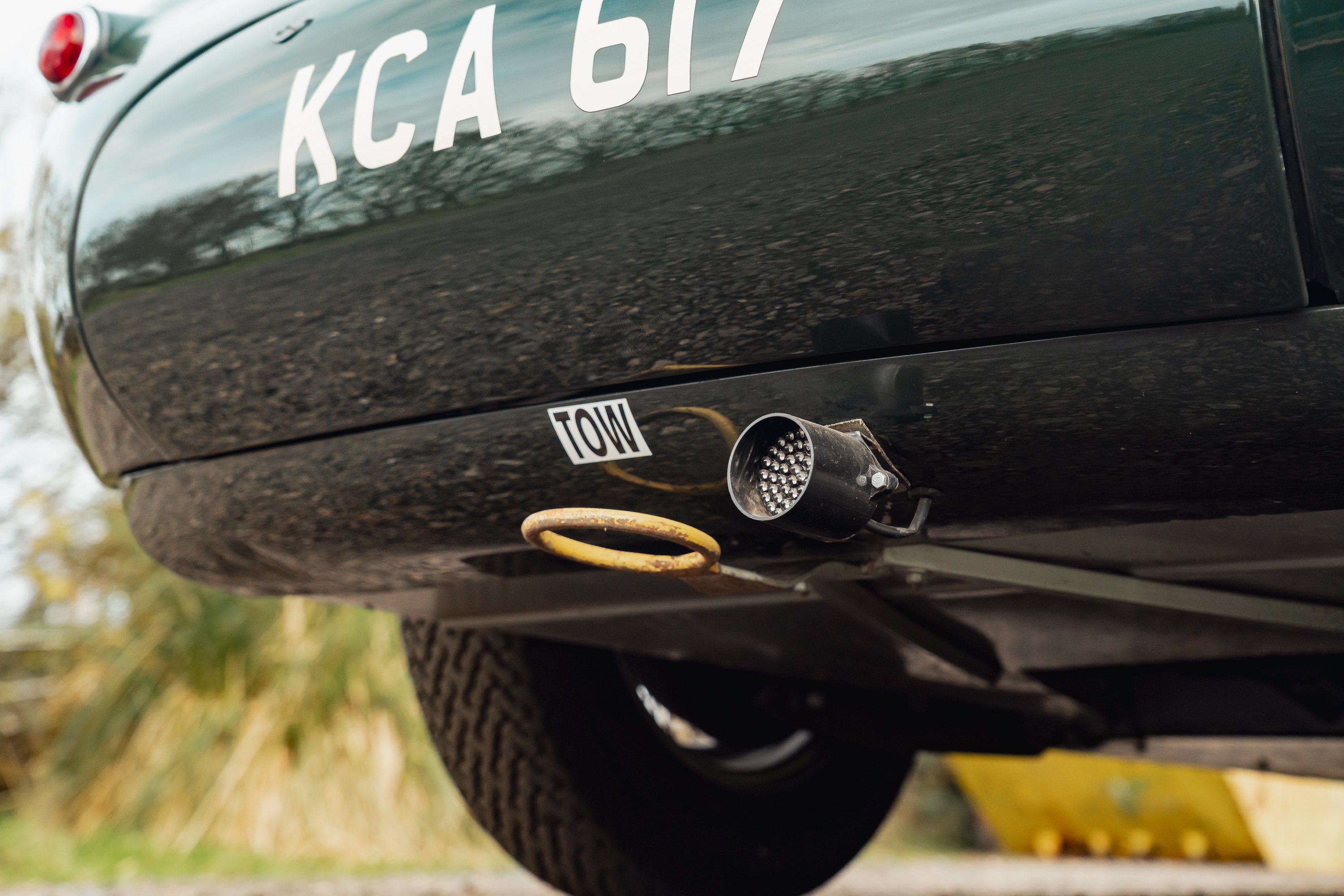
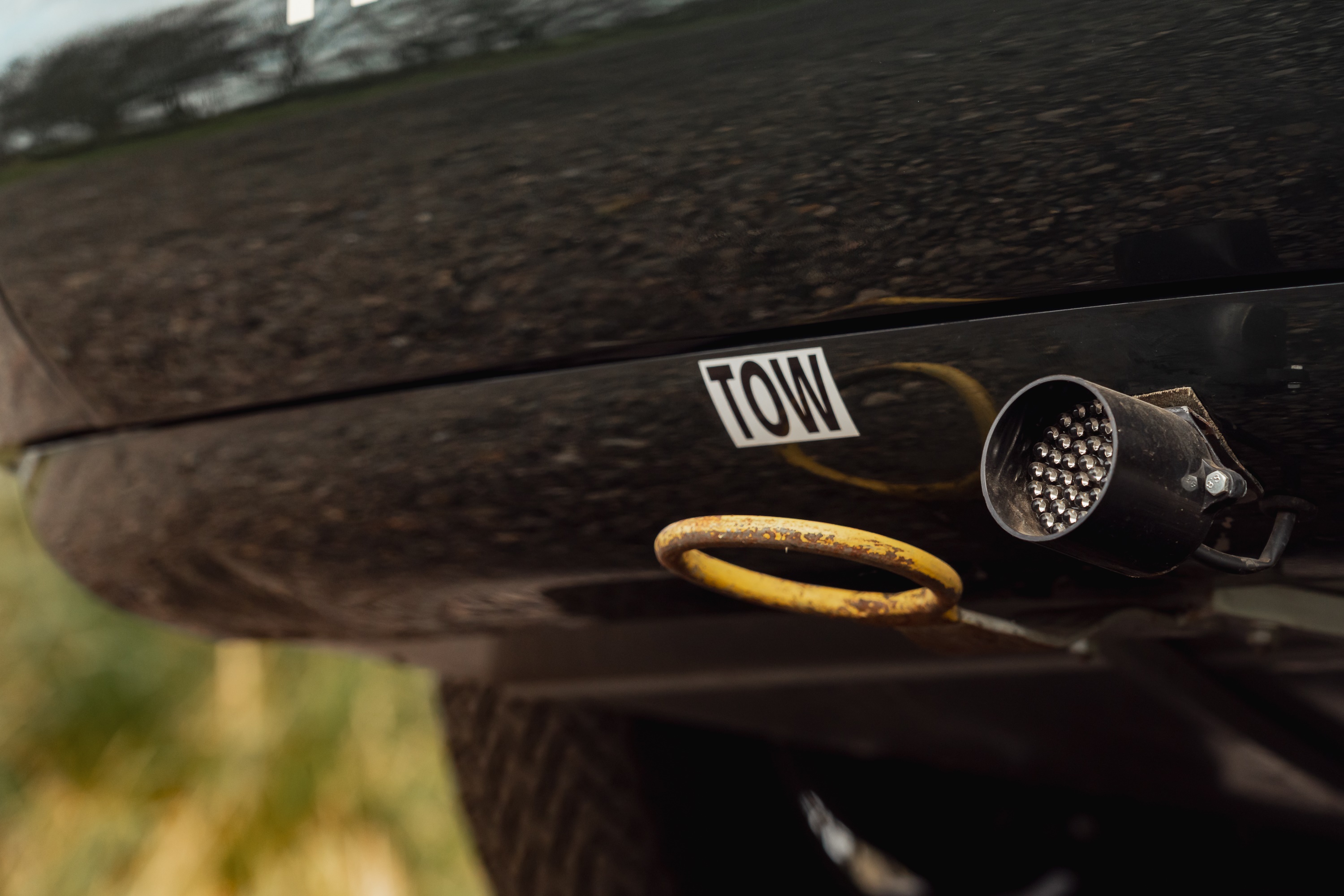
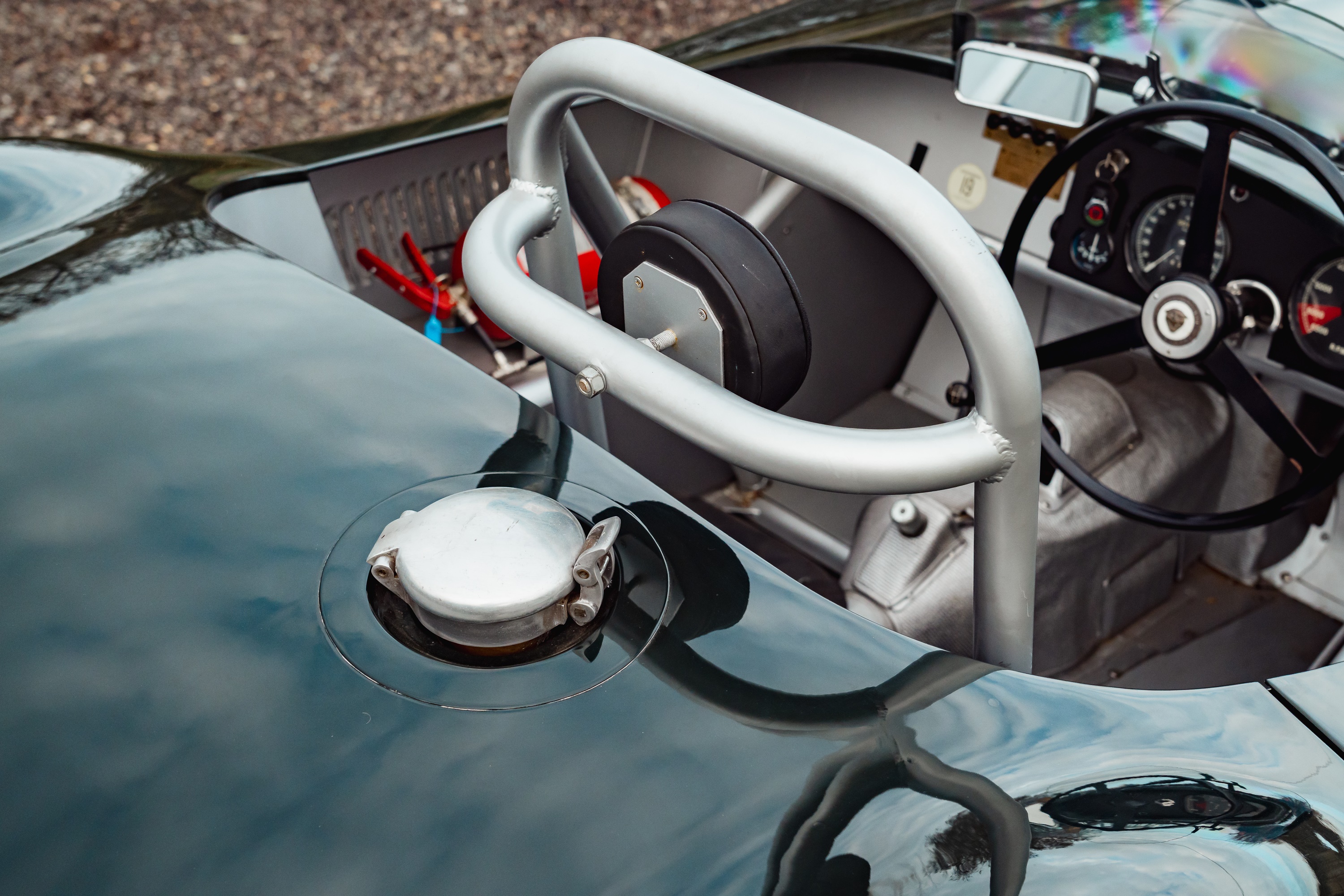
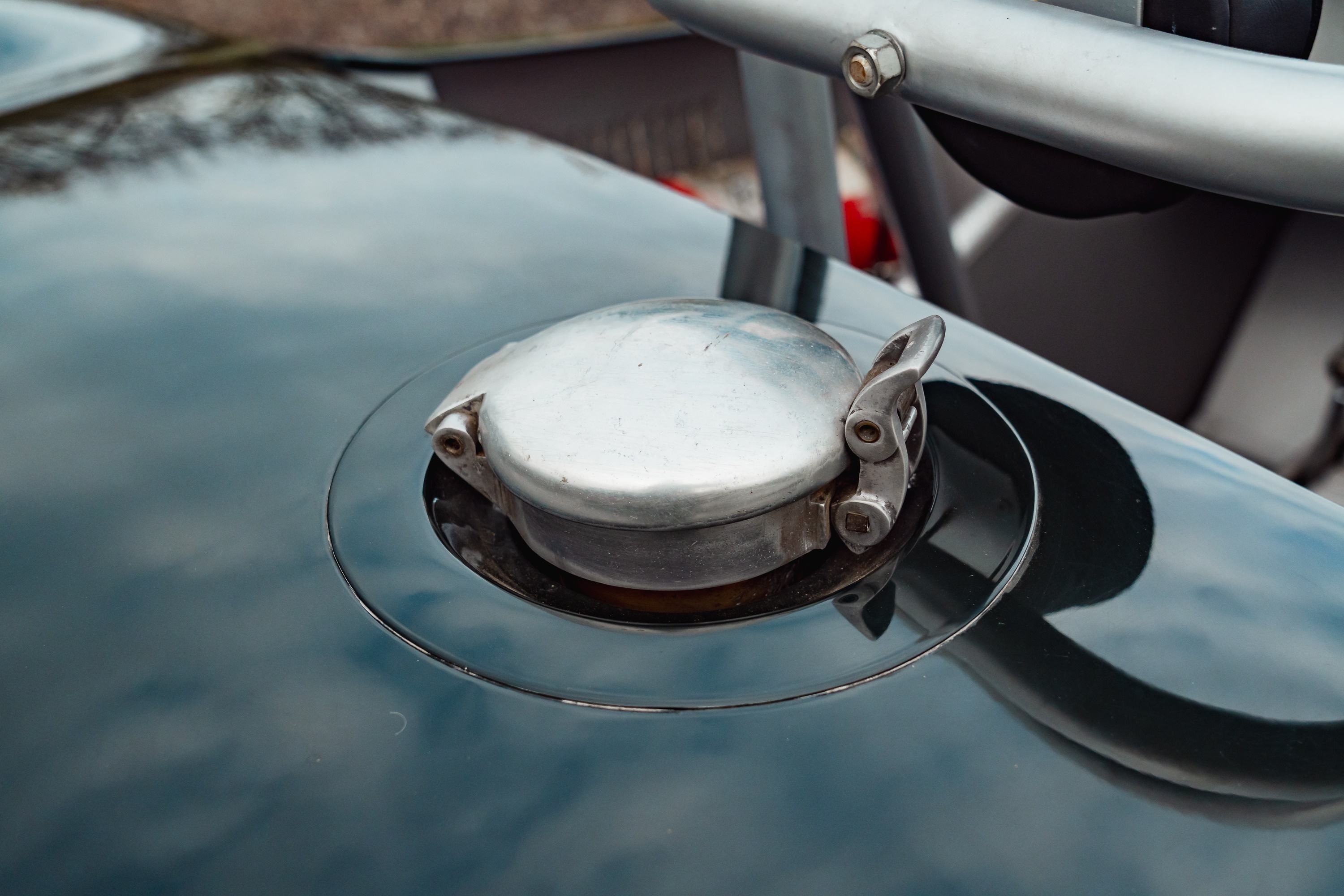
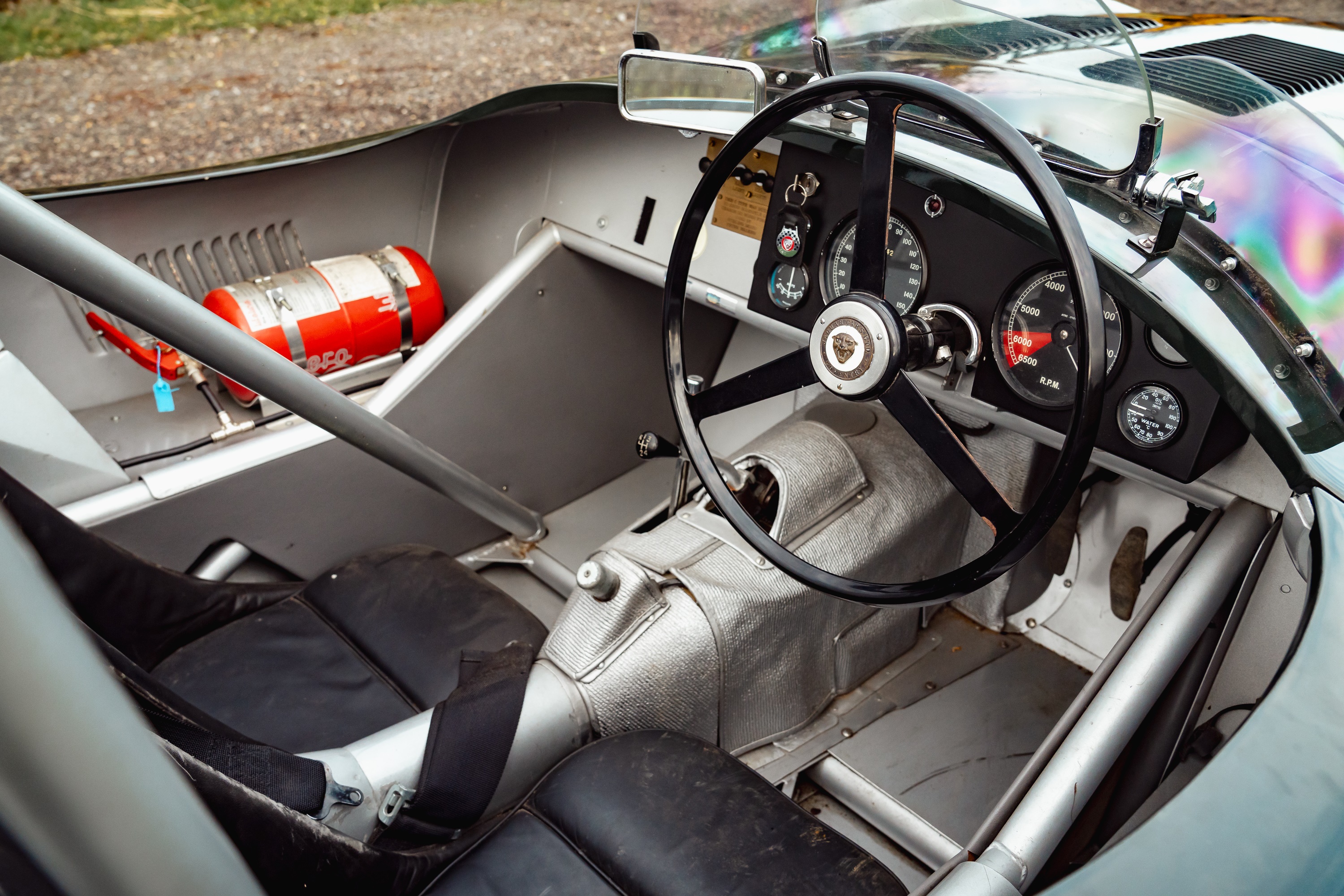
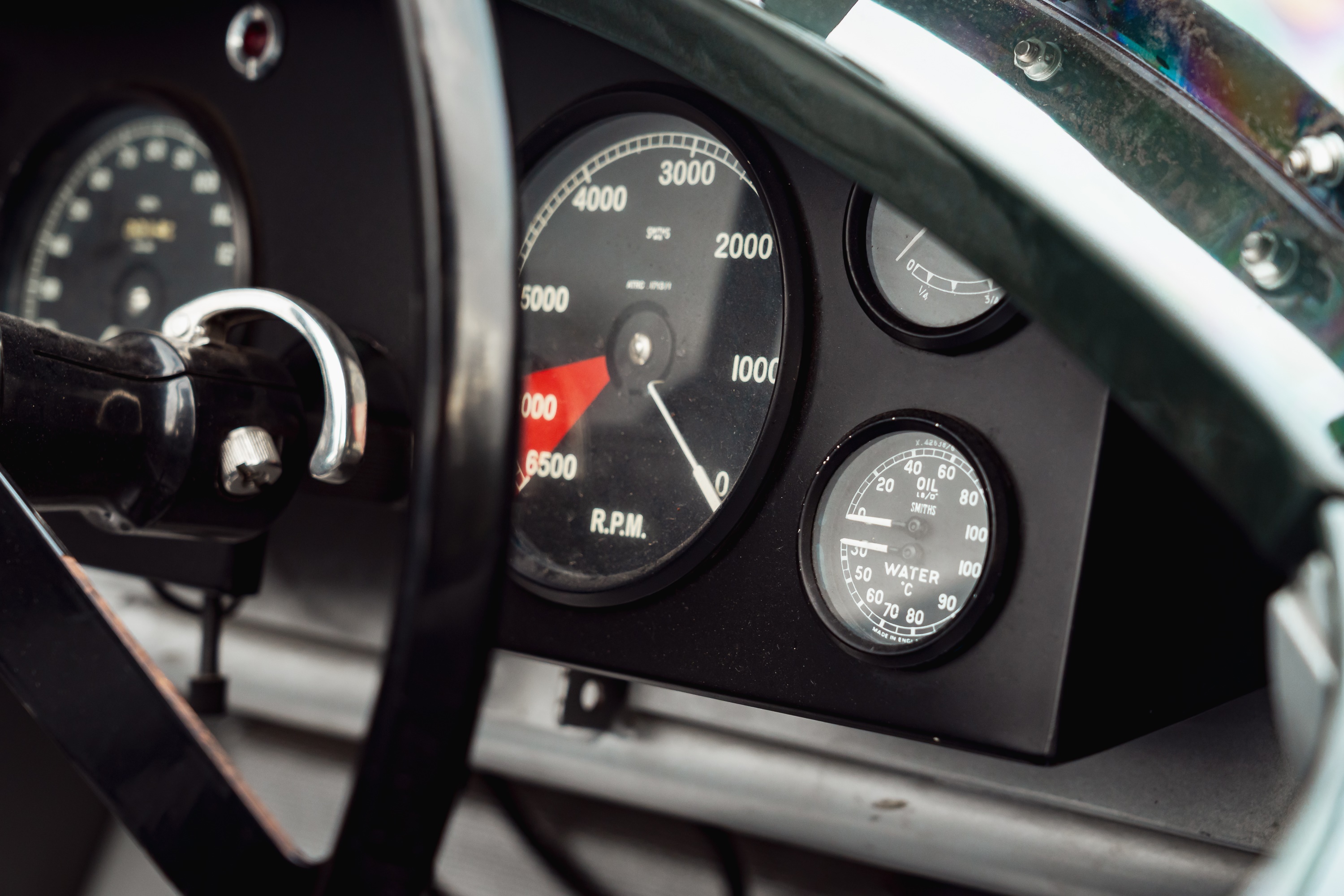
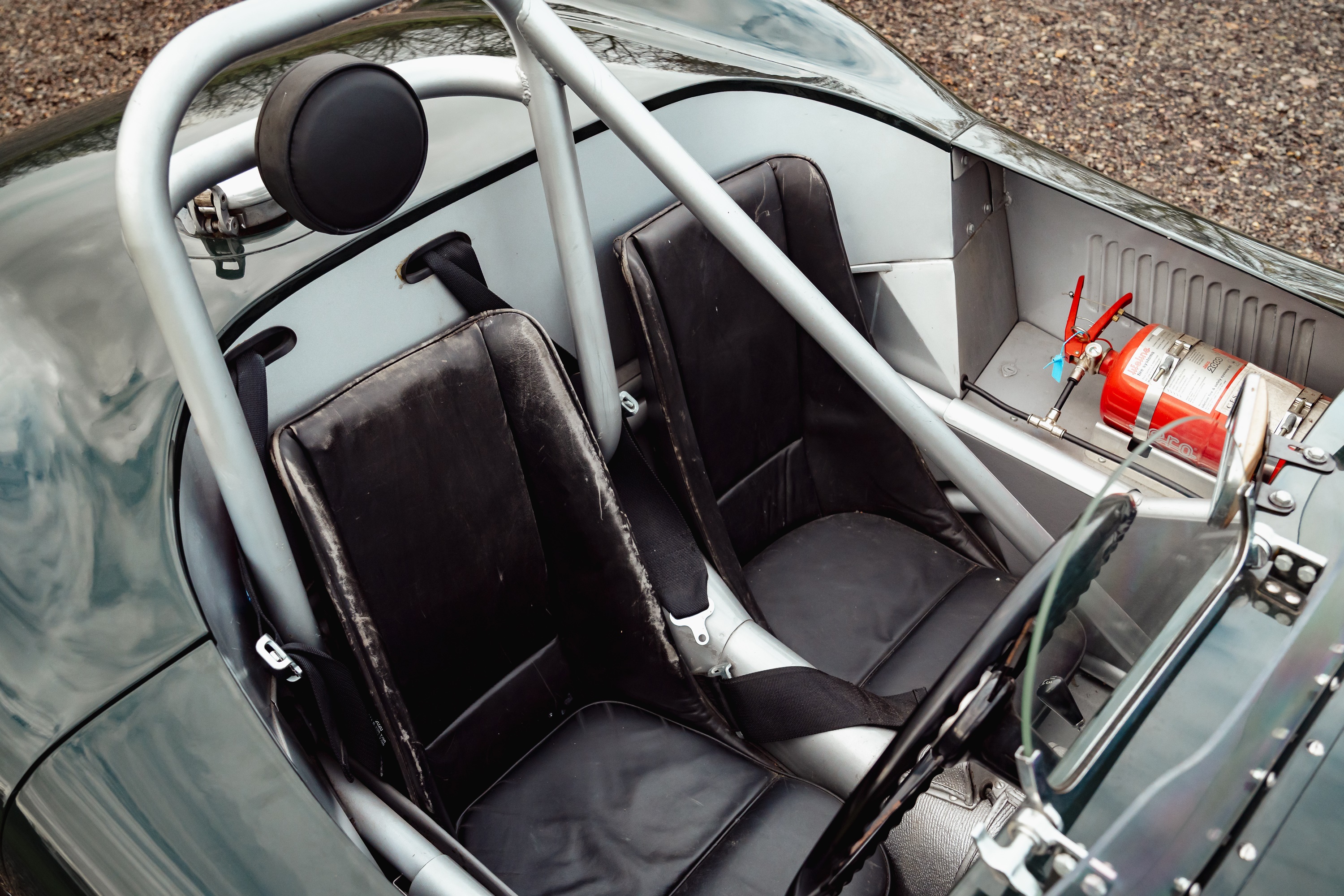
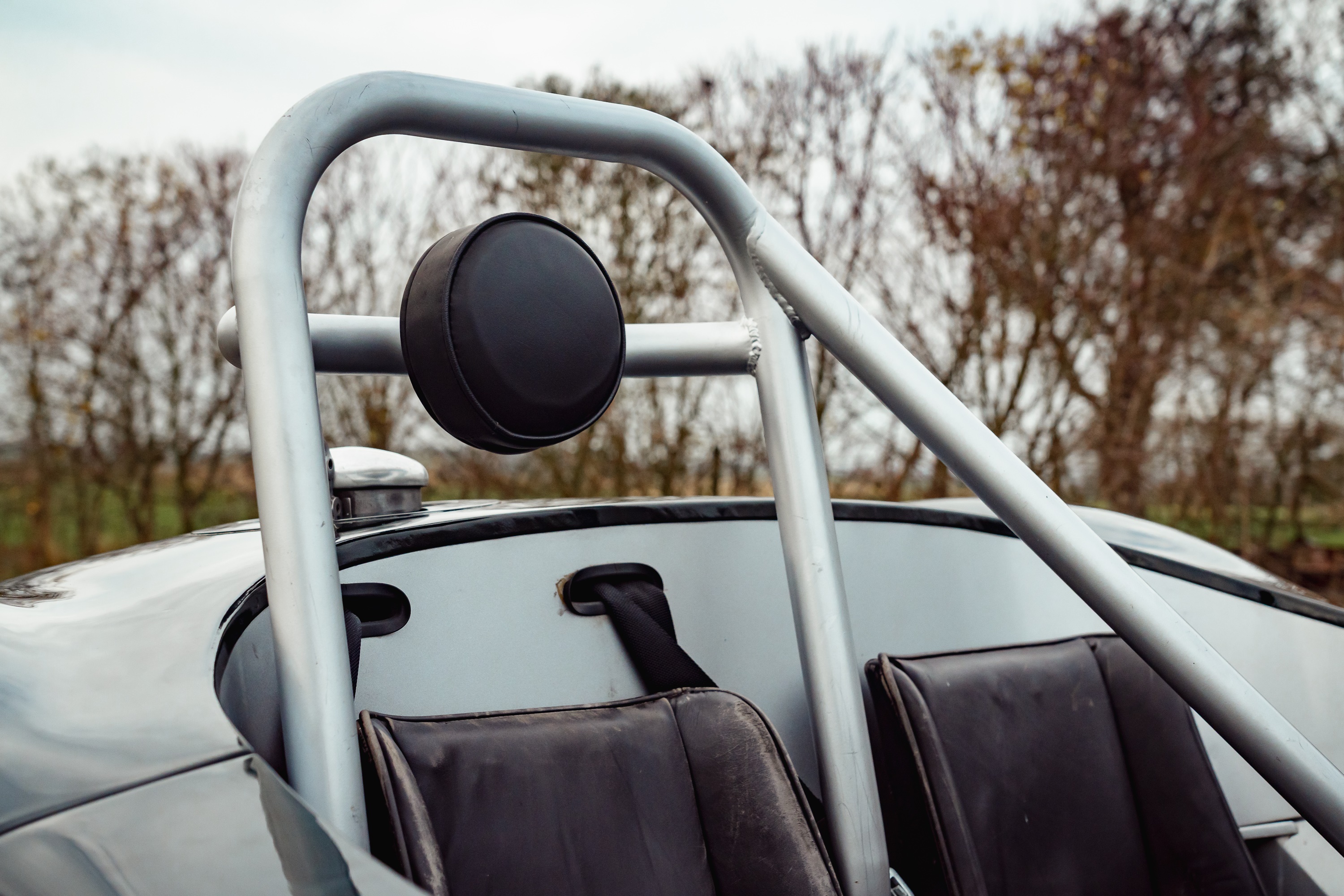
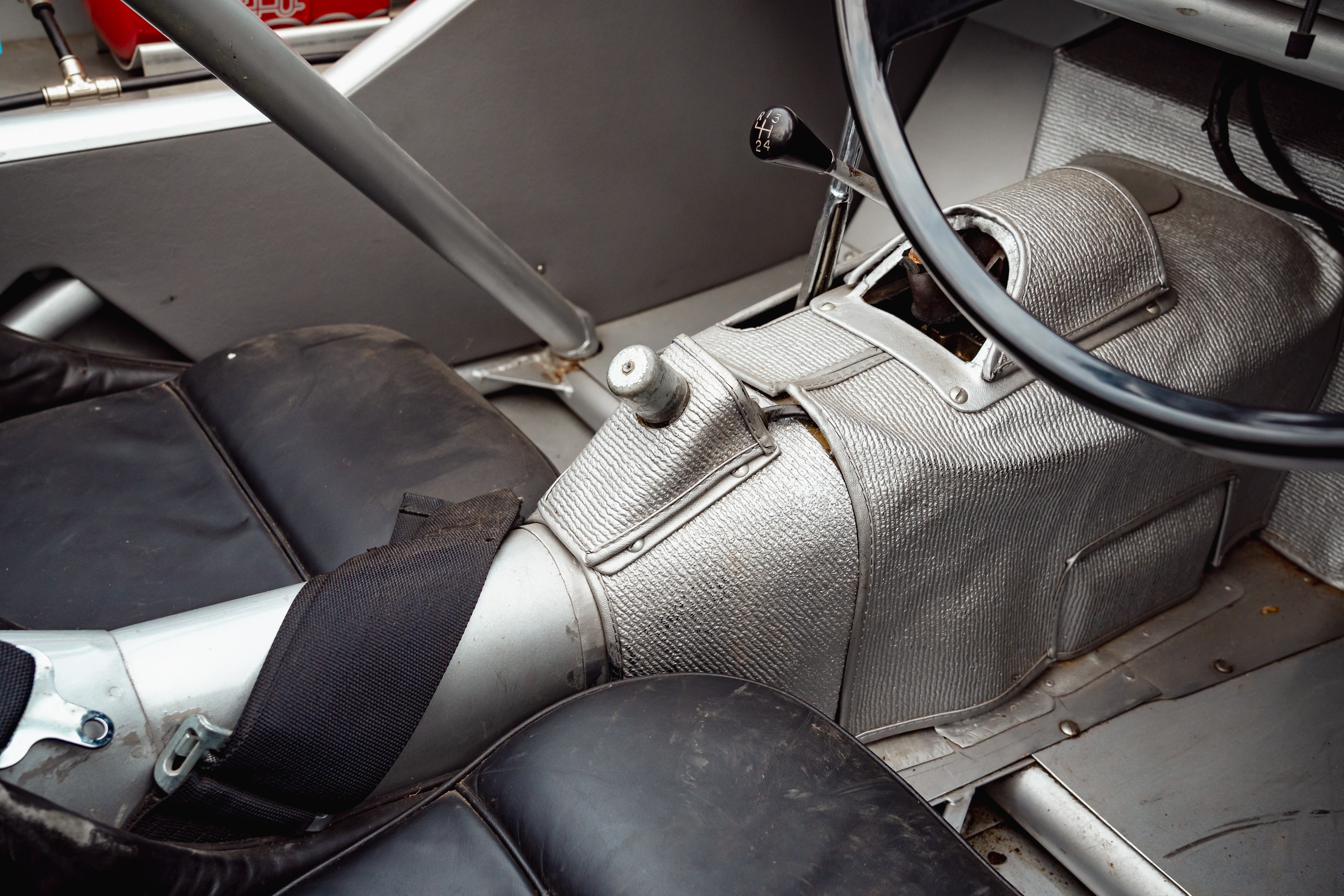
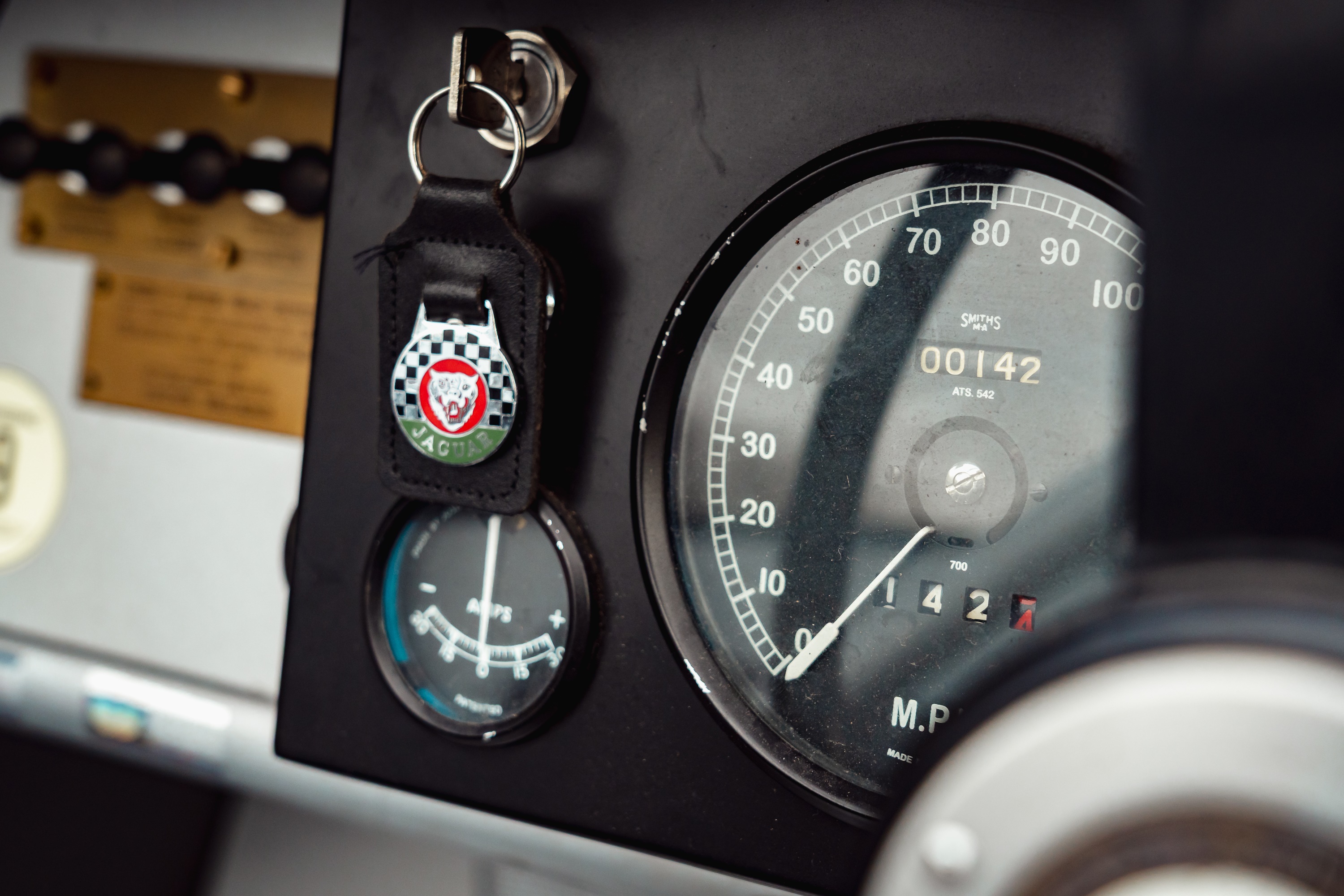
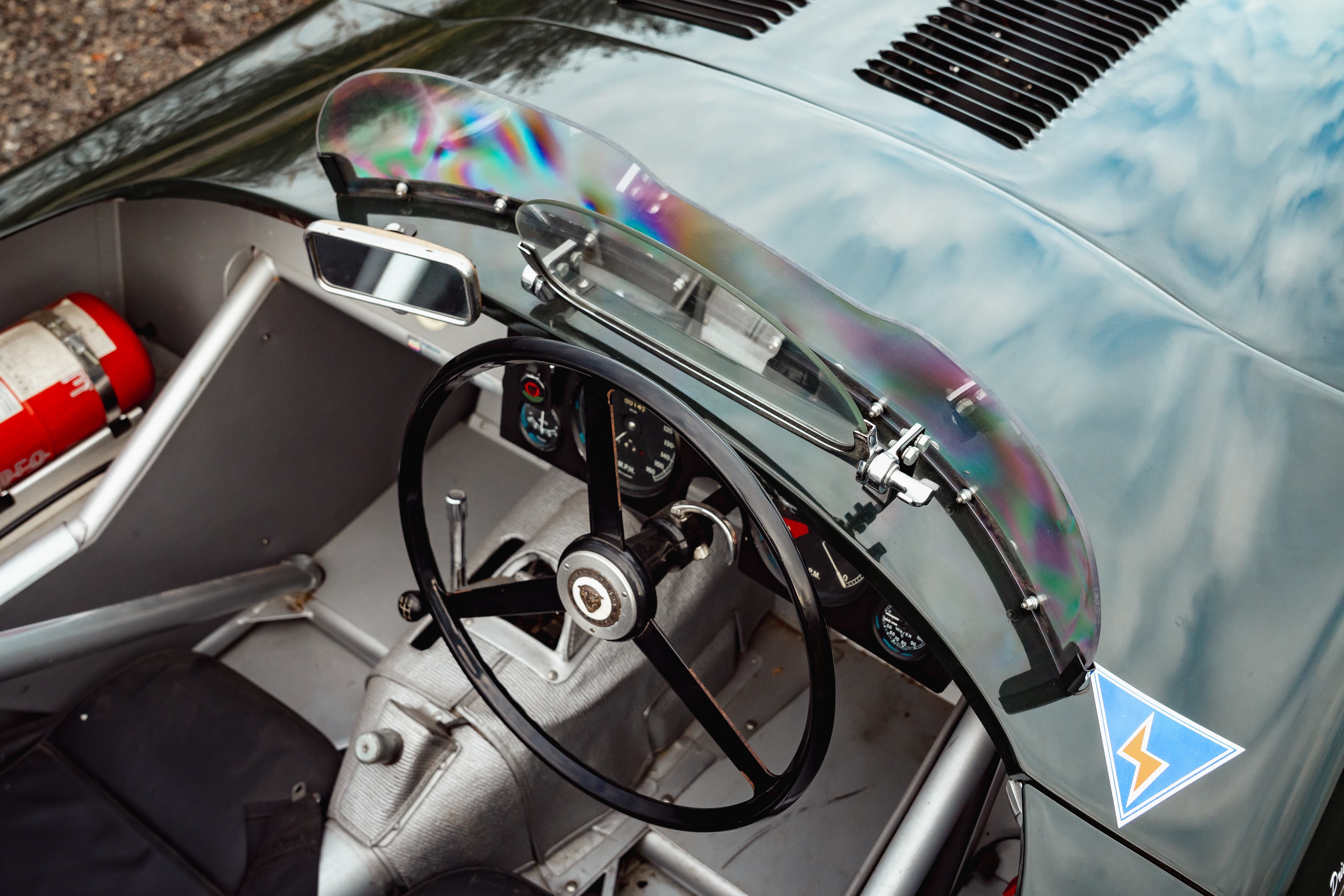
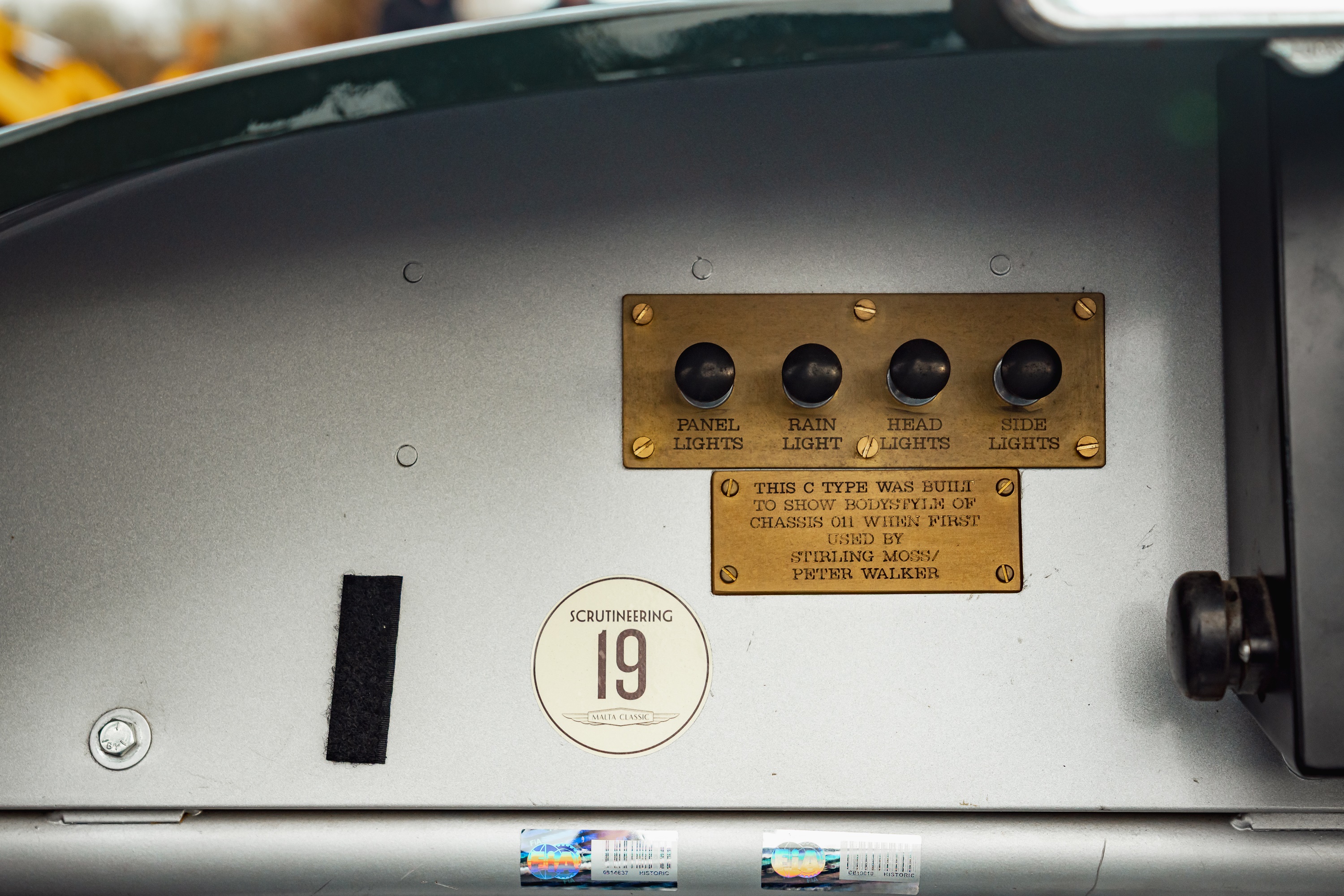
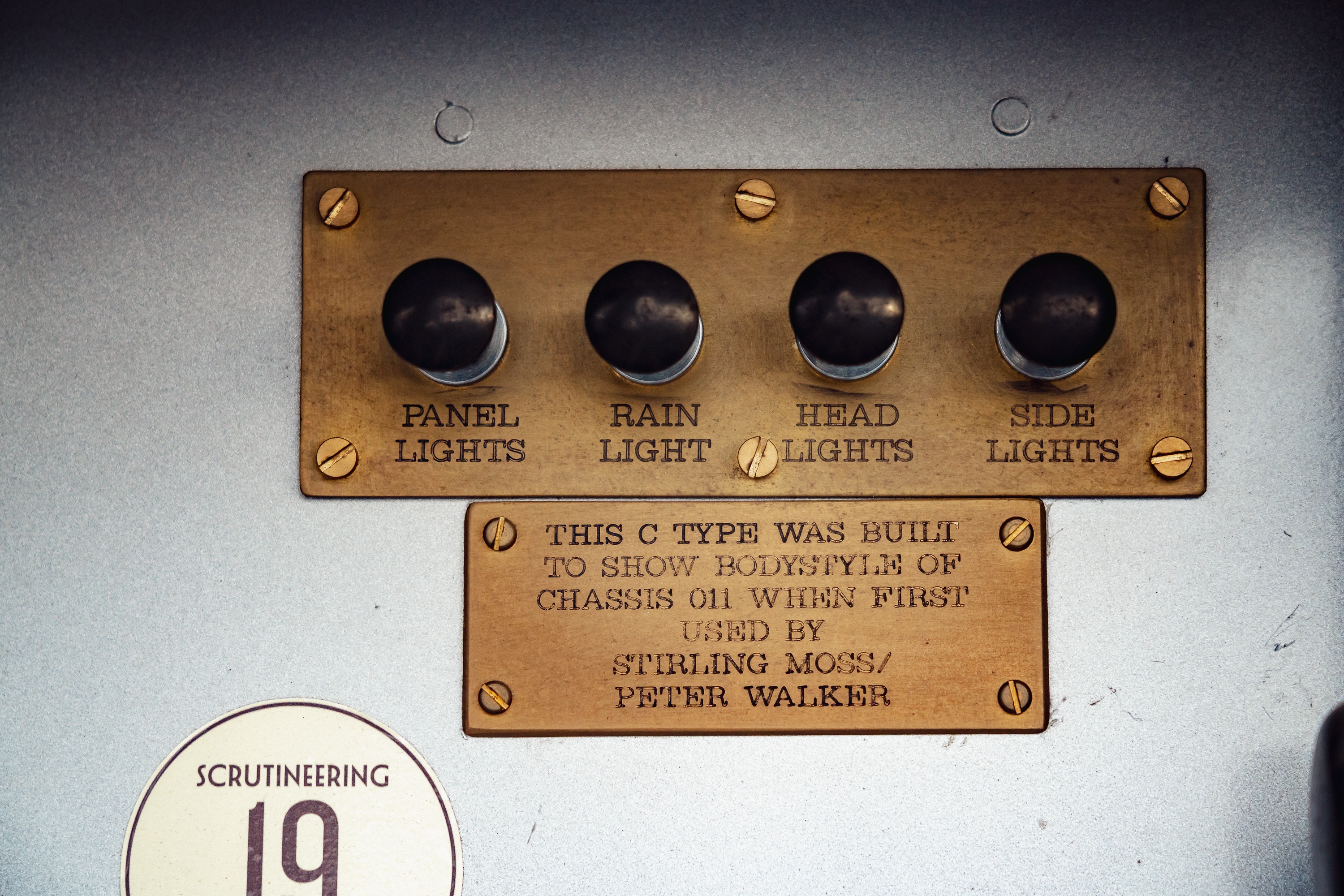
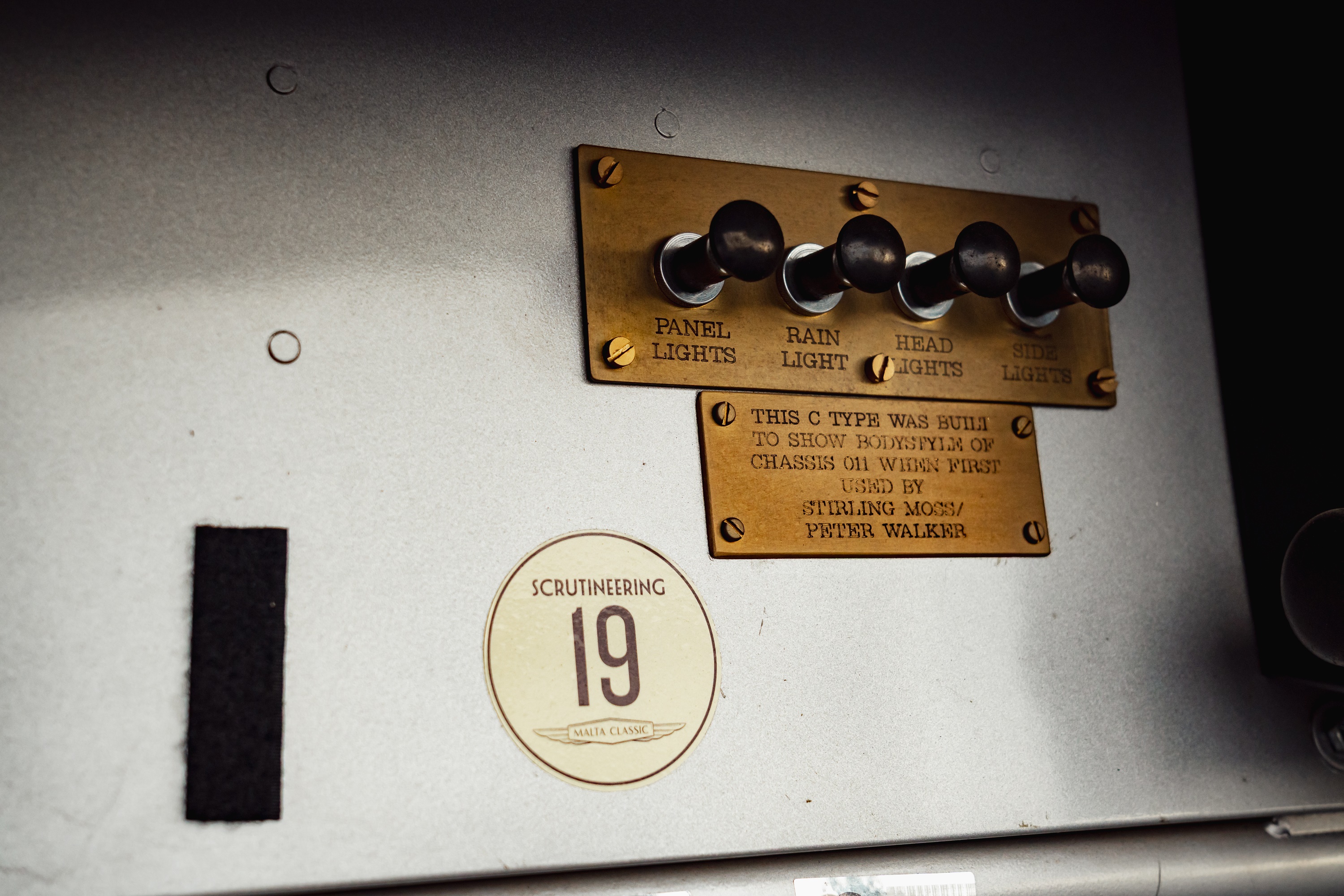
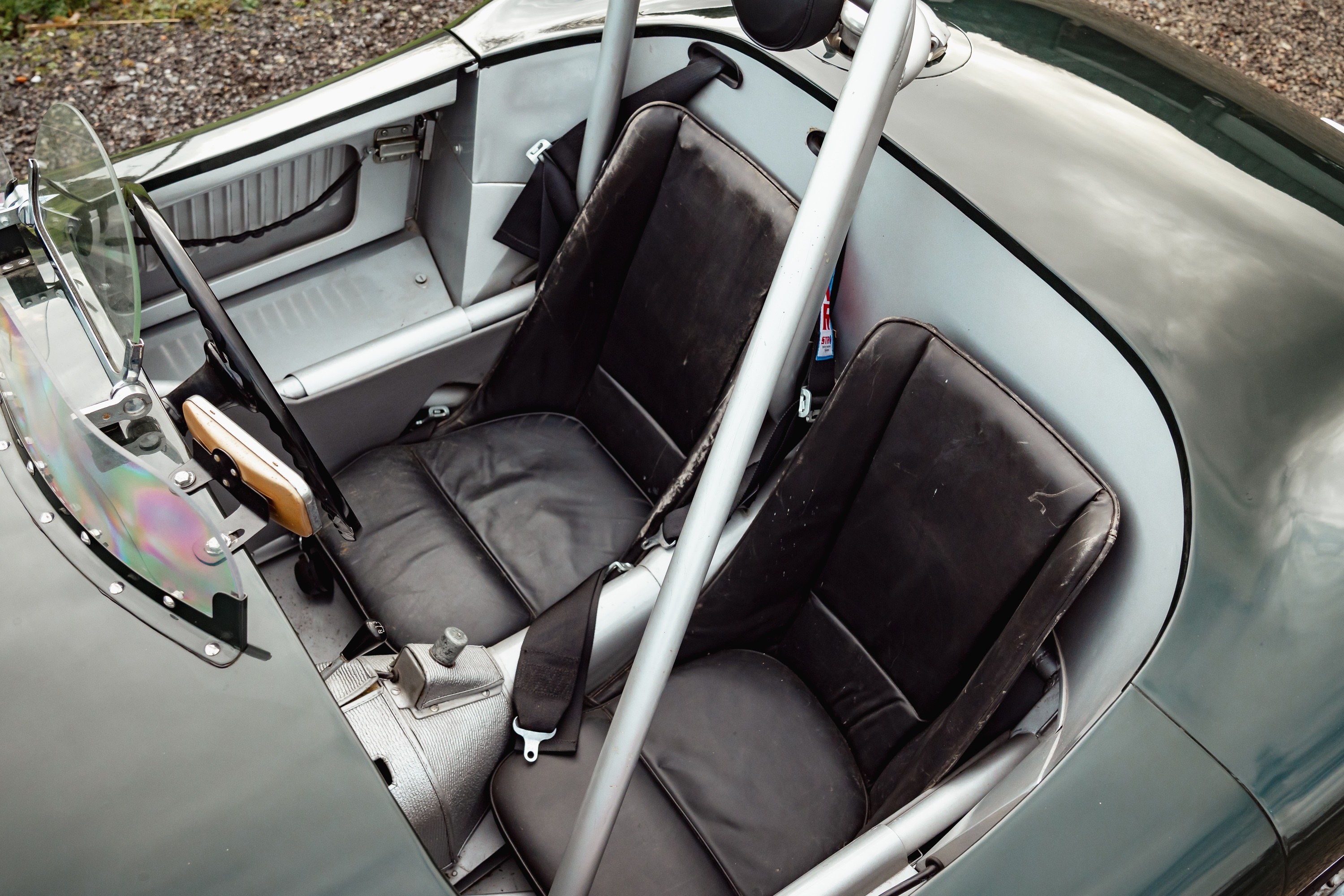
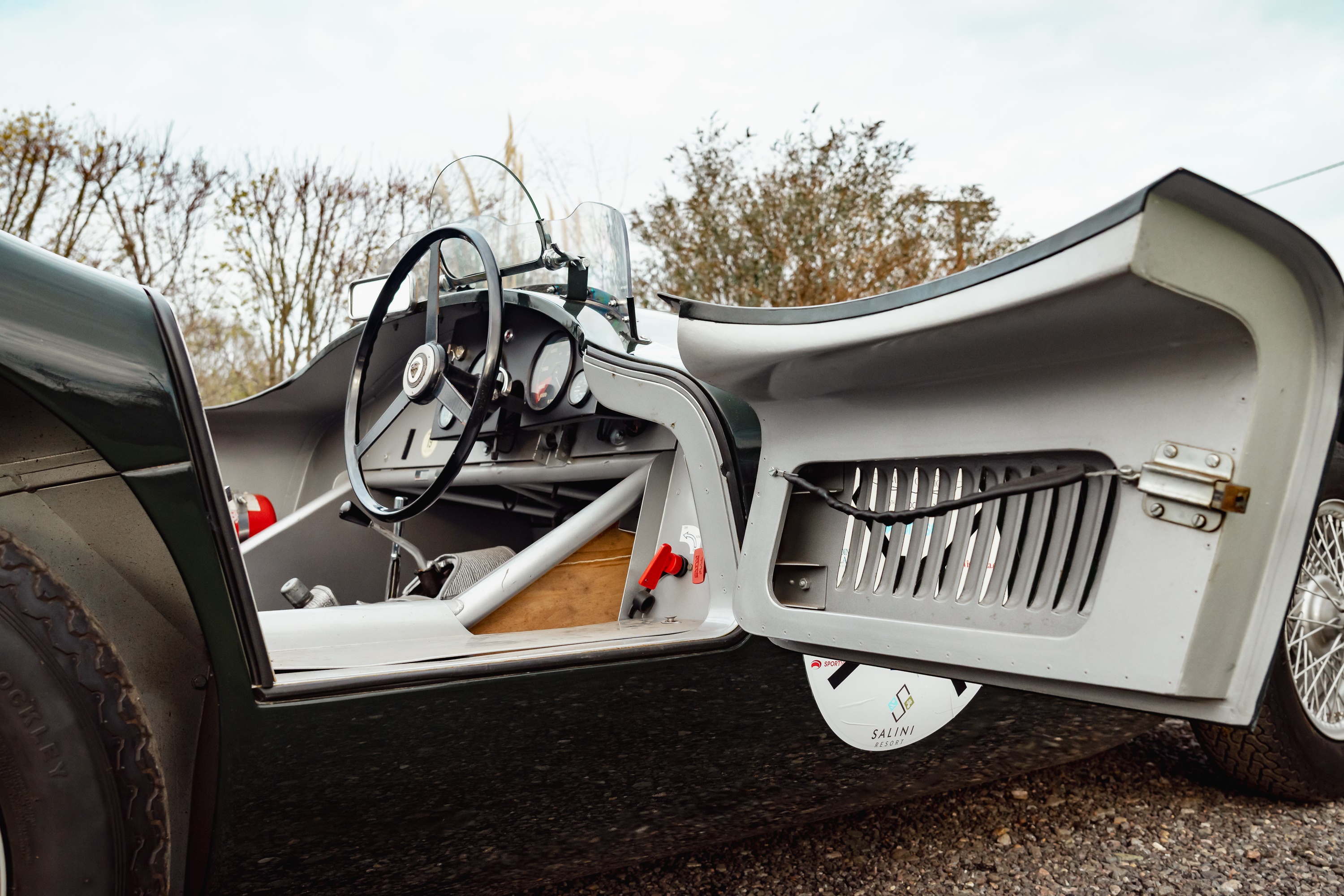
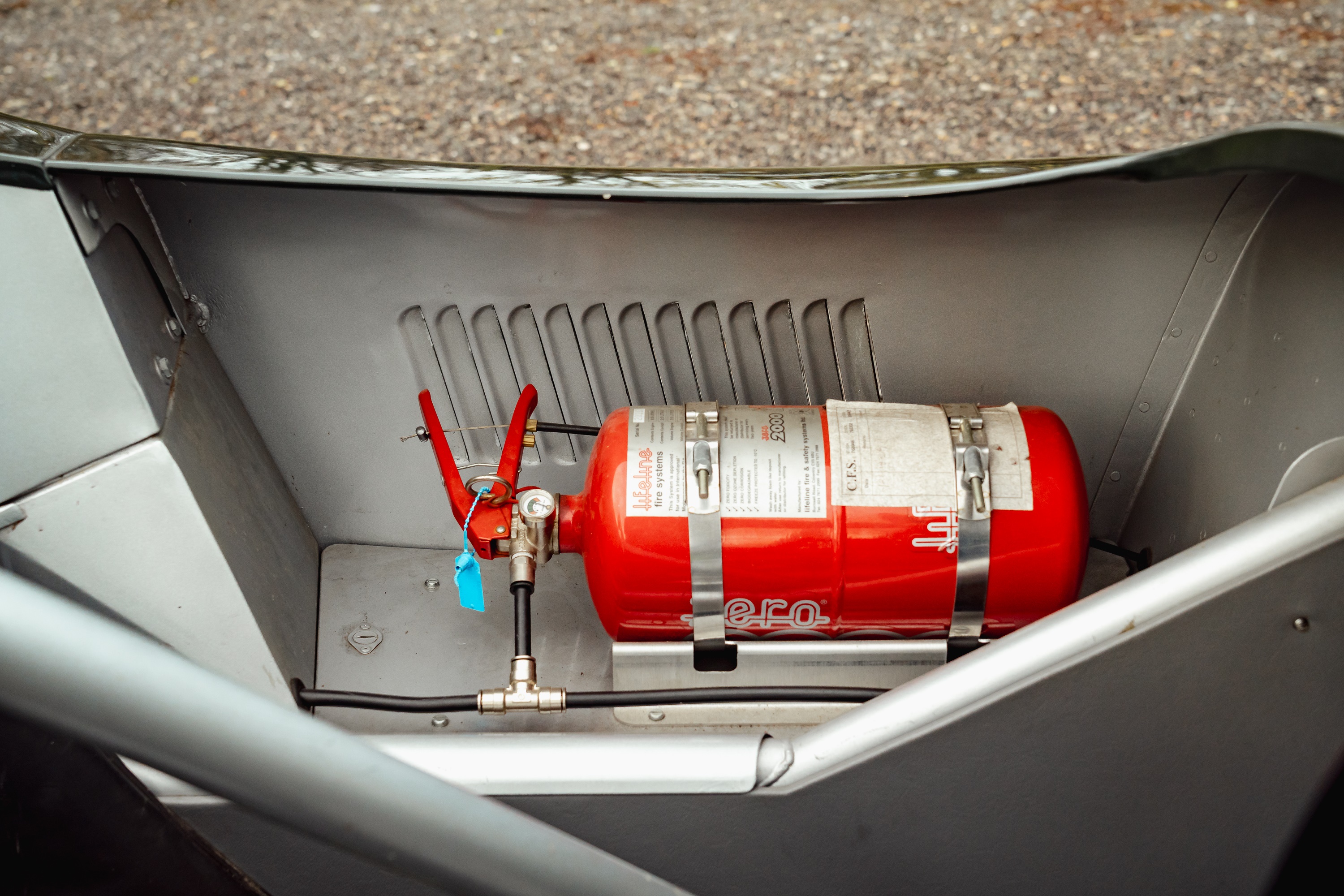
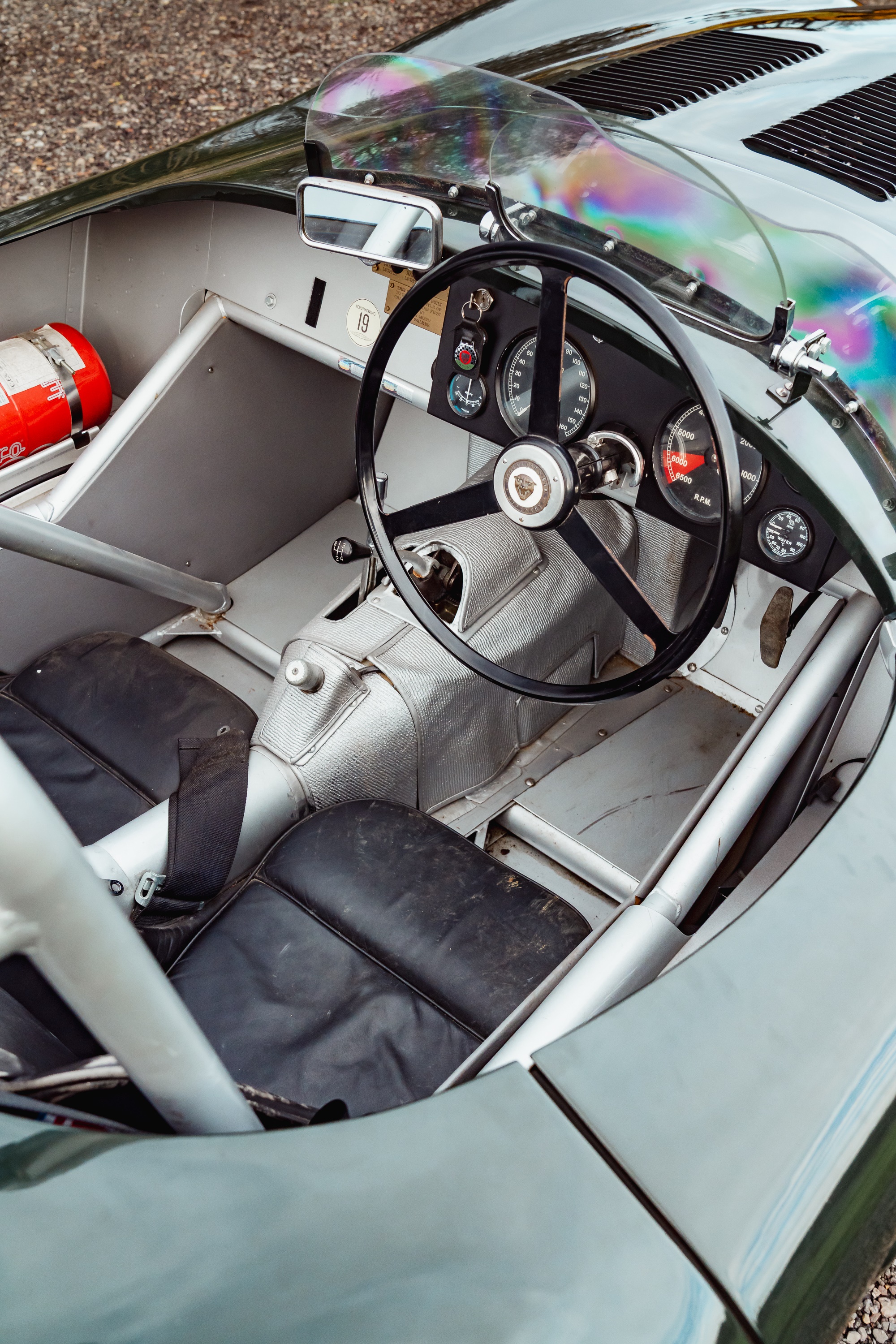
A friend of the late Norman Dewis, Mr. Groom has had great experience of racing XK, C-Type and E-Type Jaguars, and Lister-Jaguars, and saw the potential for ‘KCA 617’ to be resurrected as a faithful tribute to the early, drum-braked C-Types. Involving Andy Thomas of Classic Chassis Ltd. and Clive Smart of historic racing car coachwork specialist Shapecraft, the project reached completion in the early 2010s, with the car being on the road in 2013. The engine was built by Dave Butcher and the body was formed in accordance with original factory drawings. ‘KCA 617’ is now accepted by the Fédération Internationale de l’Automobile as a competition-eligible C-type built to 1951 specification, making allowances for acceptable non-period installations such as a battery isolator switch, competition seatbelts, plumbed-in fire extinguisher system, roll-bar hoop, towing eye and electric cooling fan. A single deviation from standard in the bodywork was incorporated, reputedly at the behest of Sir Stirling Moss, who insisted that ventilating louvres in the doors would be very wise to avoid making the cockpit uncomfortably hot. Concerning all the most important areas, the F.I.A. report confirms that the chassis, front and rear suspension, engine (including valve sizes, ignition system, carburetters, fuel system and lubrication system), gearbox, final drive ratio, braking system, steering, wheels and lighting are correct as per period specifications.
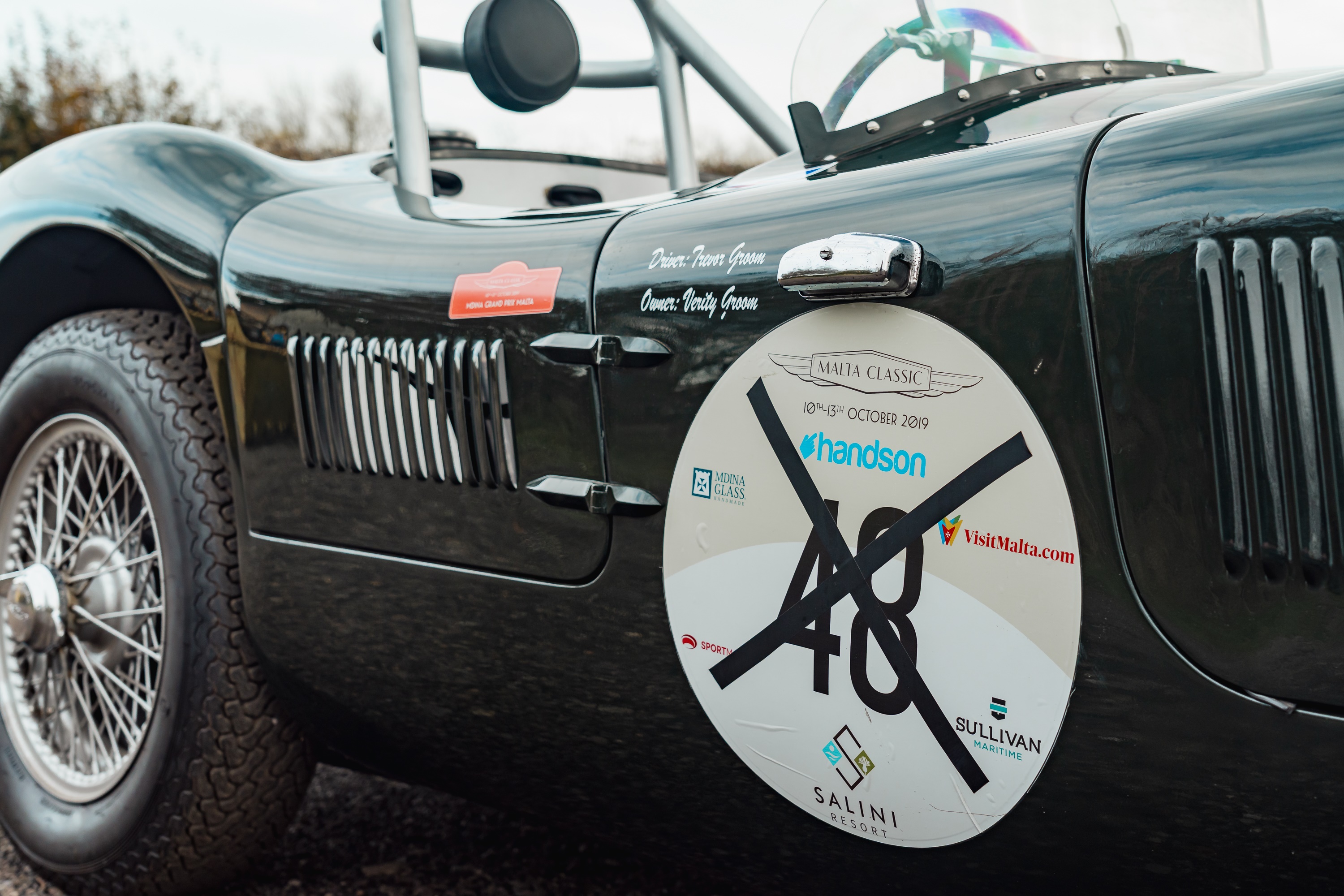
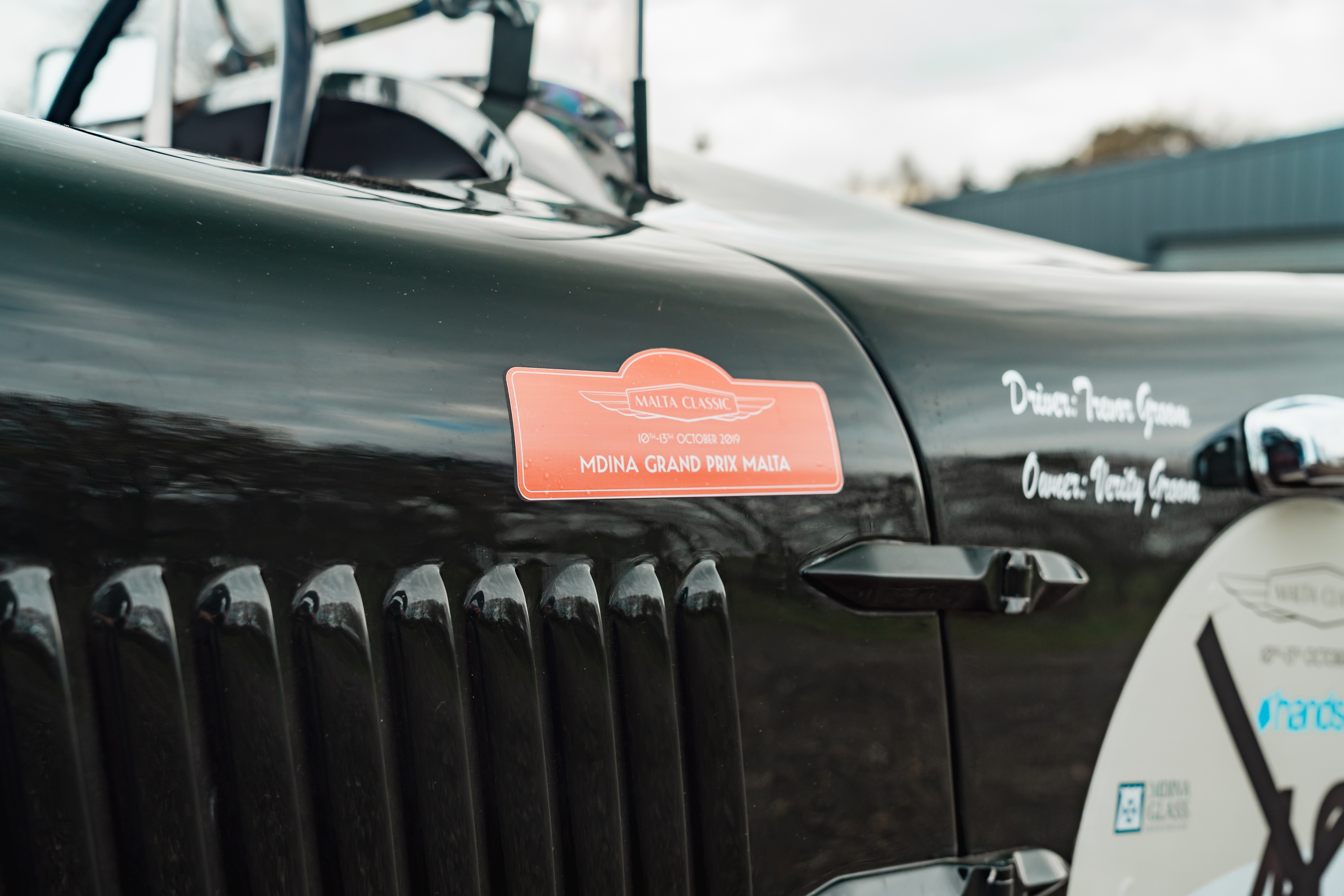
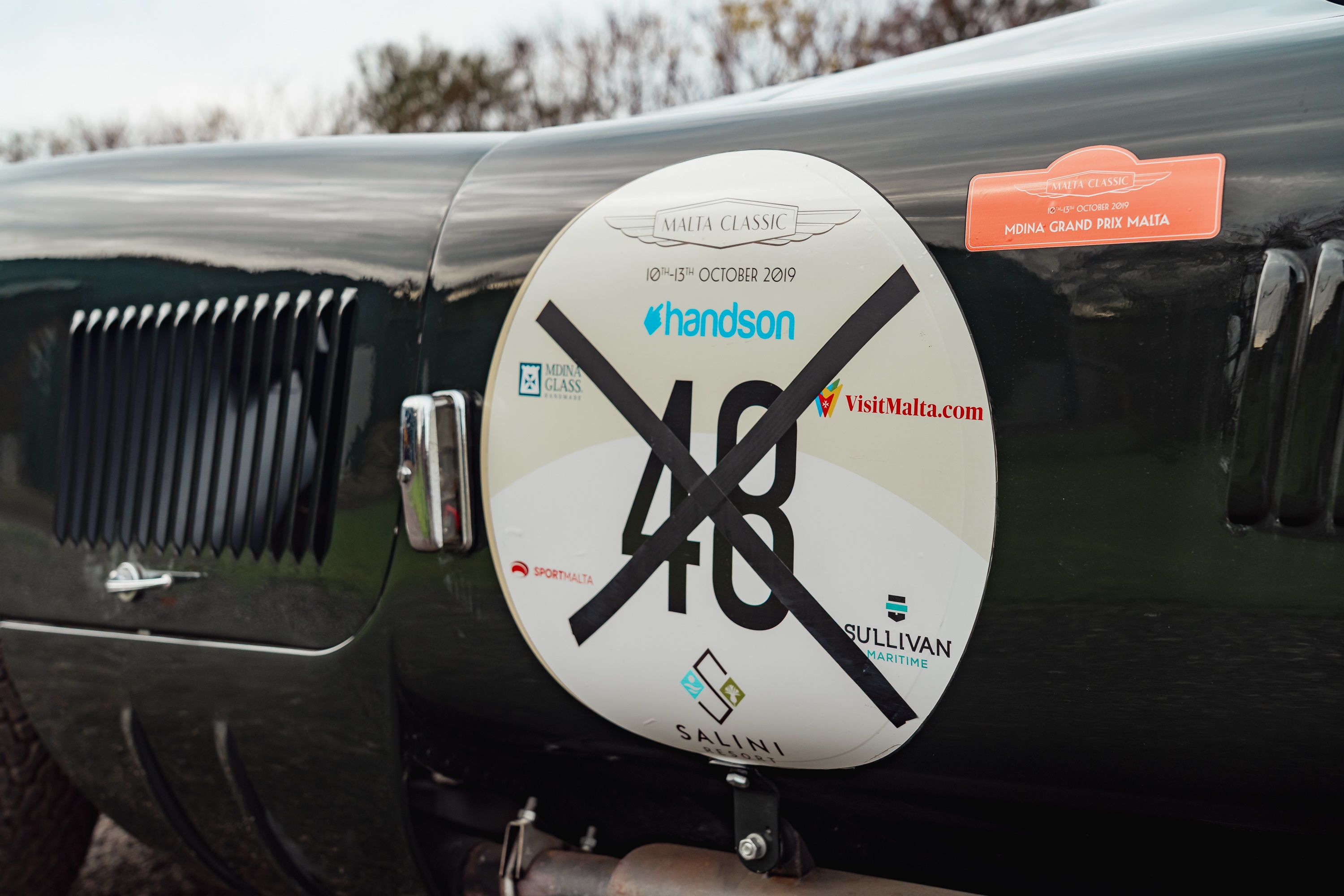
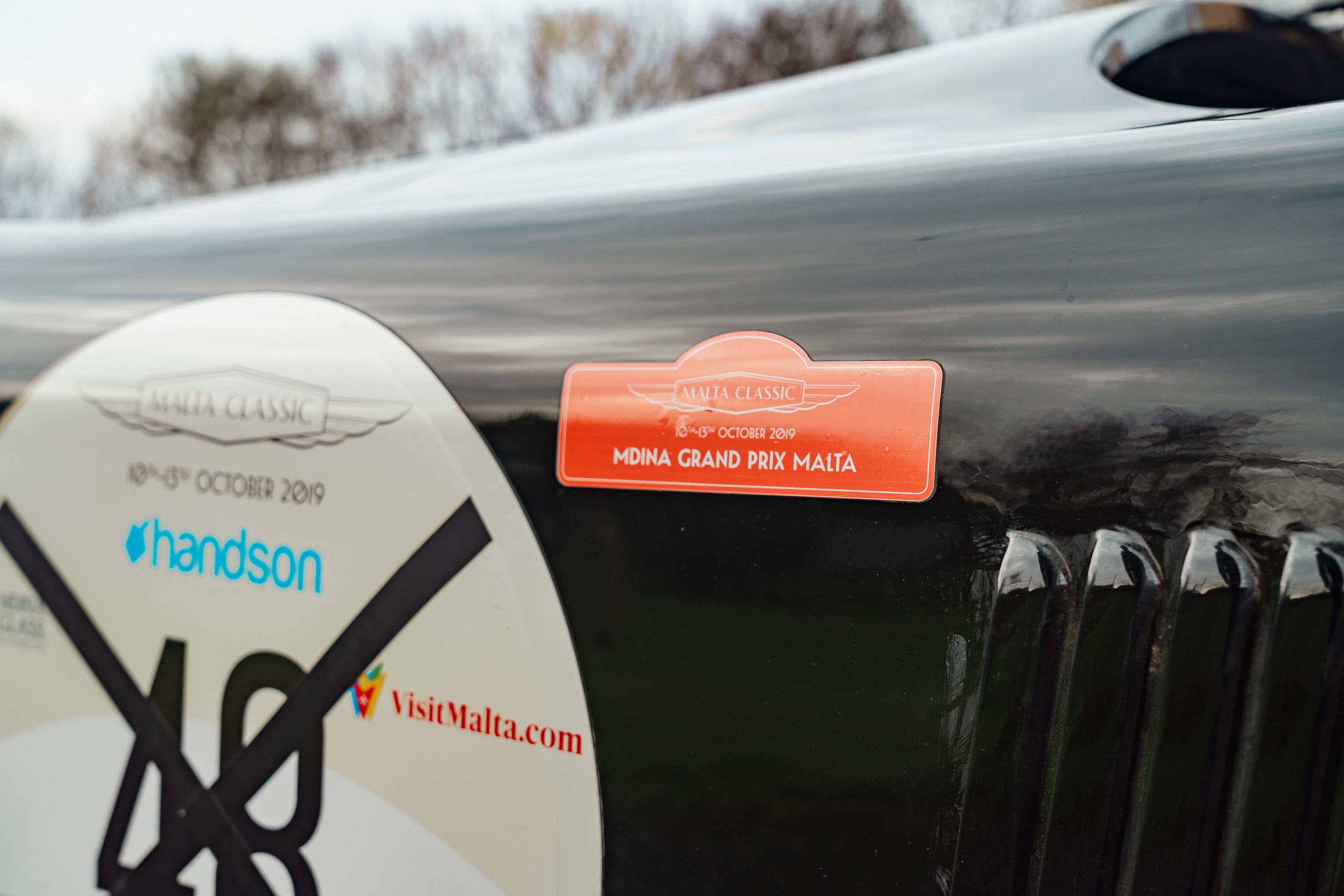
Despite being thoroughly prepared for historic competition, we are not aware that ‘KCA 617’ has ever been driven much in anger, except for an appearance at the 2019 Malta Classic. In addition to the Jaguar Heritage Certificate and 1960s buff logbook, the Jaguar is also supplied with its freshly renewed F.I.A. Historic Technical Passport (valid from December 2025) and a F.I.V.A Provisional Certificate, which we believe are sufficient to ensure its eligibility for such prestigious events as the Le Mans Classic and Goodwood Revival, not to mention the Historic Sports Car Club’s Griffiths Haig Trophy. Beautiful to behold, thrilling to drive and accurate down to the most minute details, this exceptional tribute really is the next best thing to owning a genuine C-Type.