The fascination with putting car engines into motorcycles has a long tradition. It’s had some noted exponents, too, with probably the most well-known, the work of that genius of self-publicity, George Brough. In 1932, George’s firm Brough Superior took an Austin Seven car engine and installed it in a double rear-wheeled motorcycle, the BS4, making a machine more suited to sidecar use than as a solo…
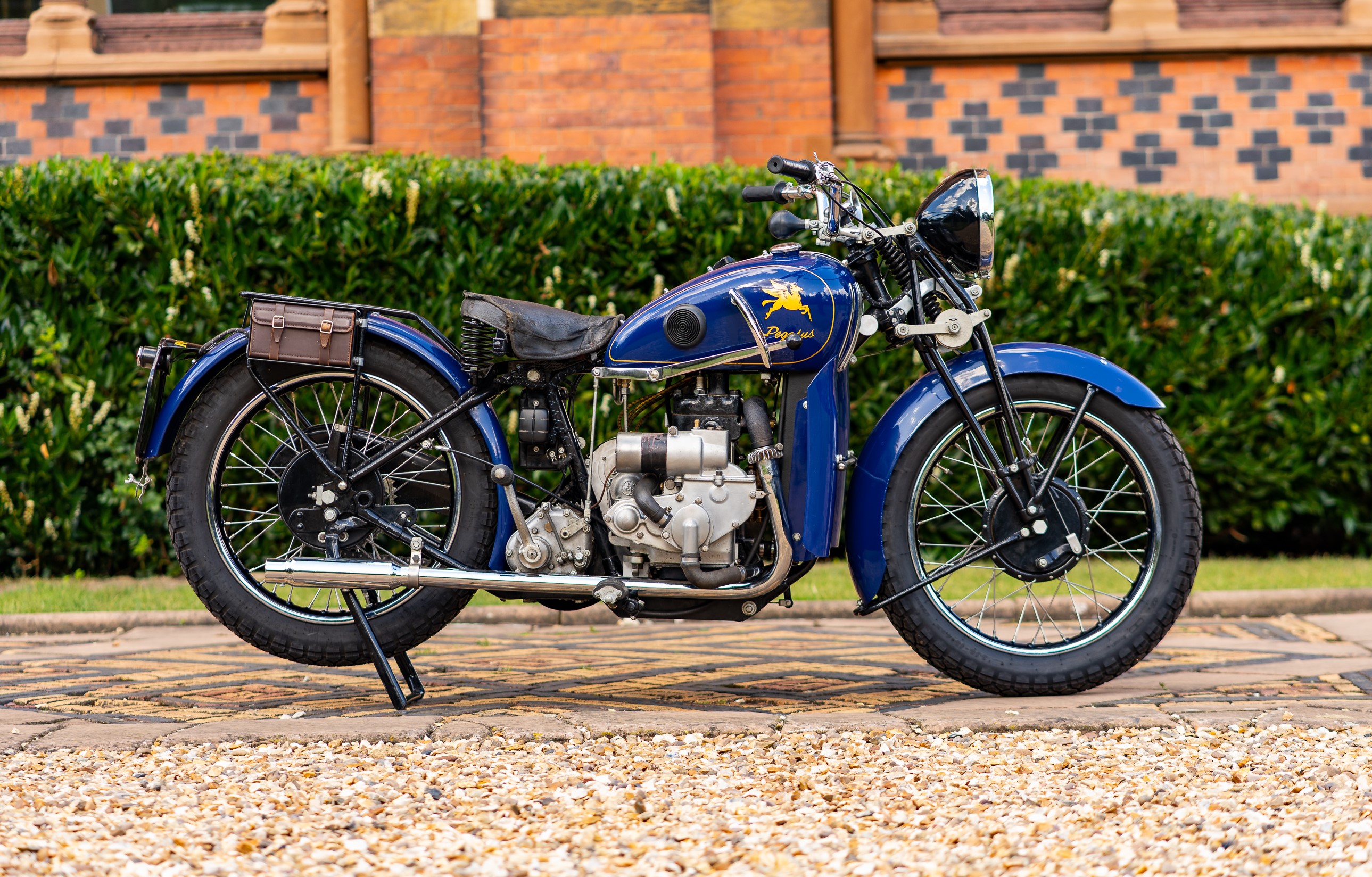
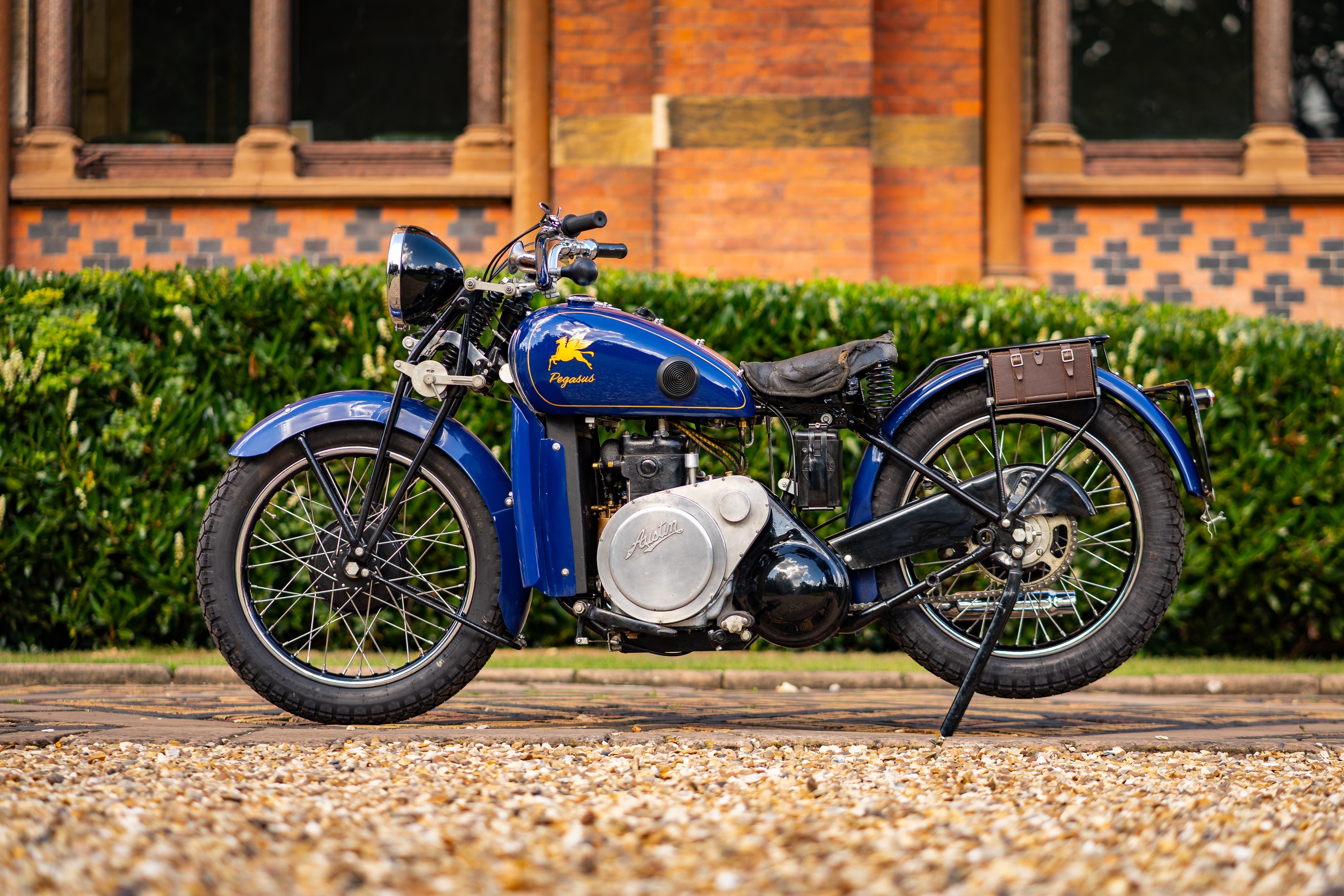
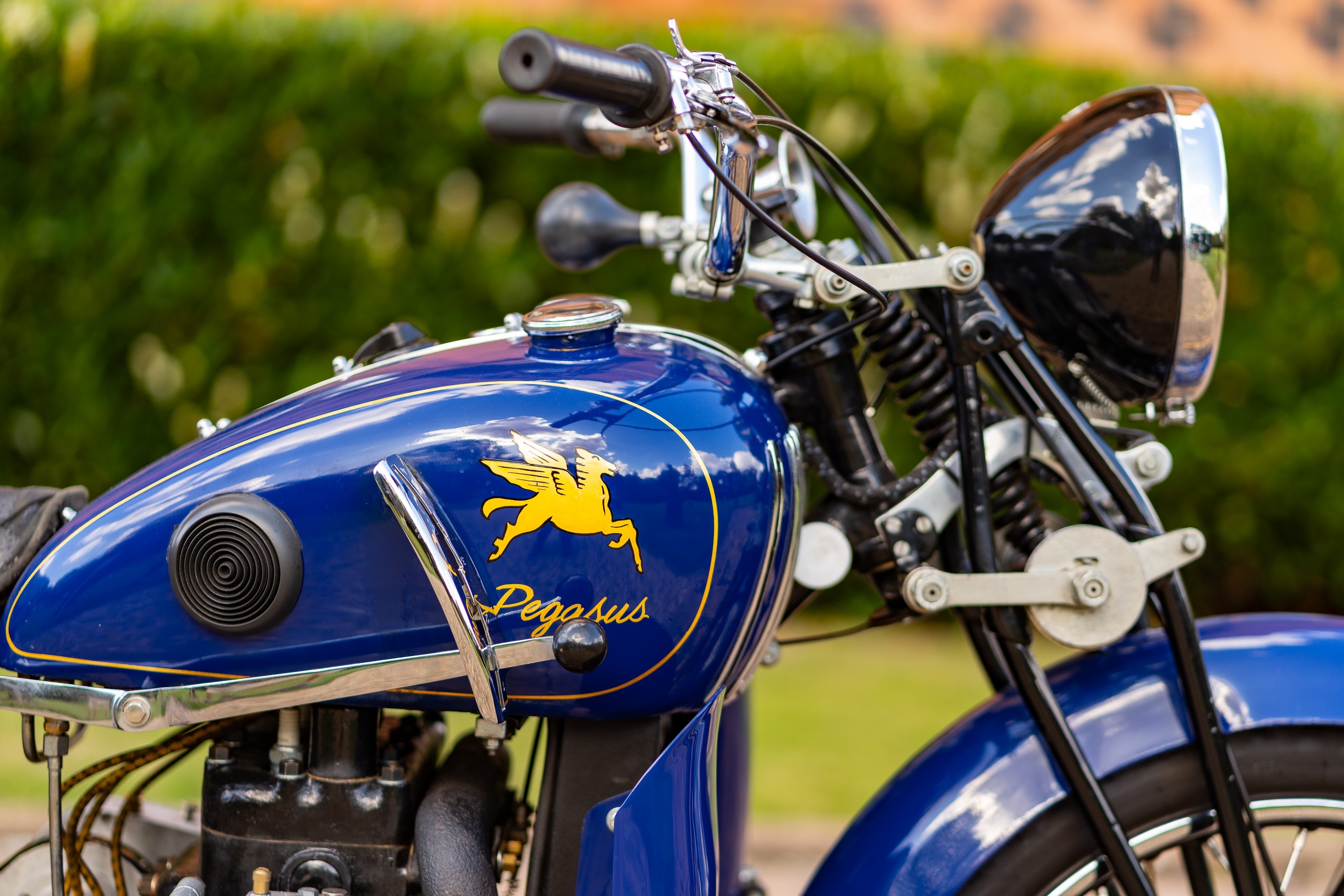
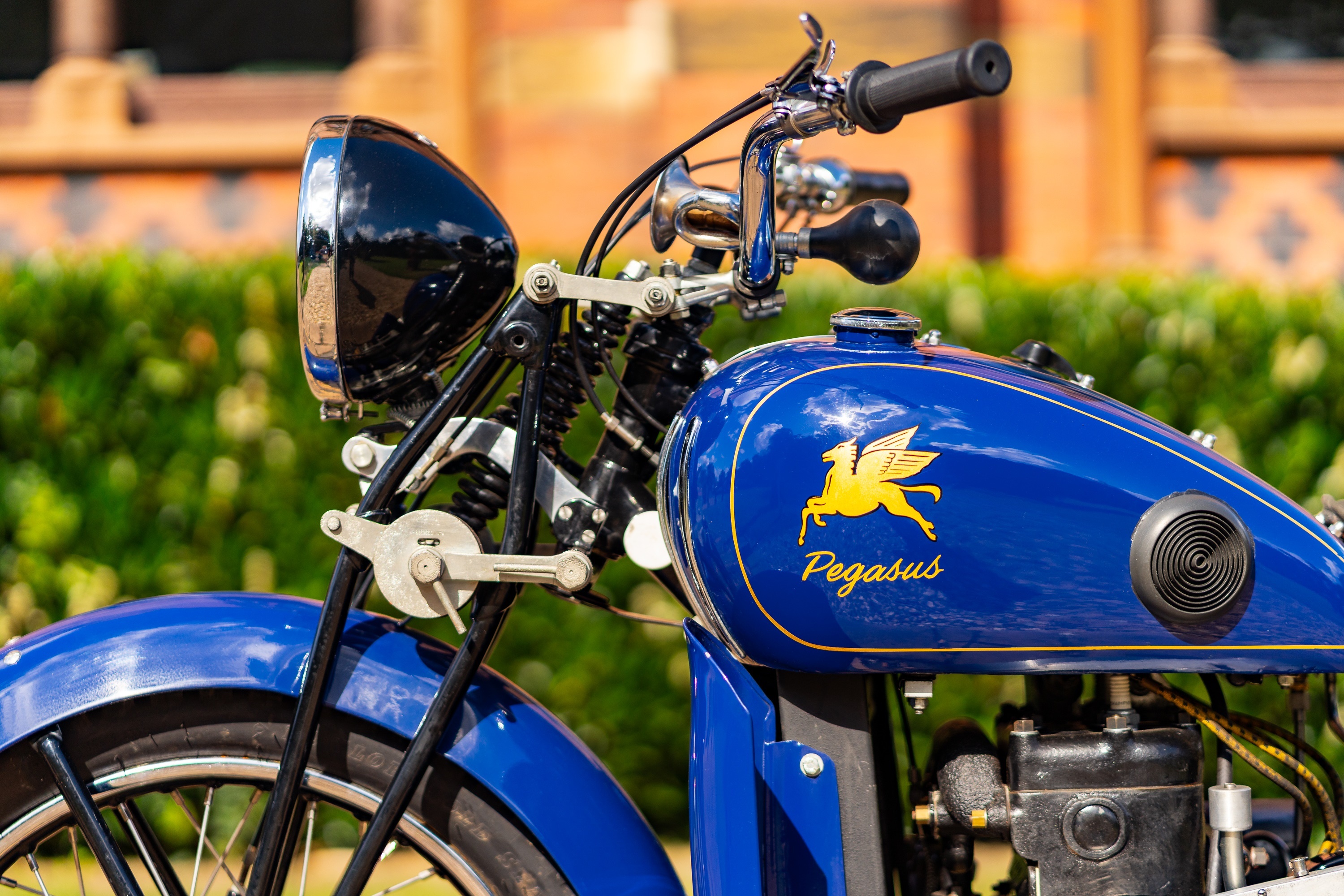
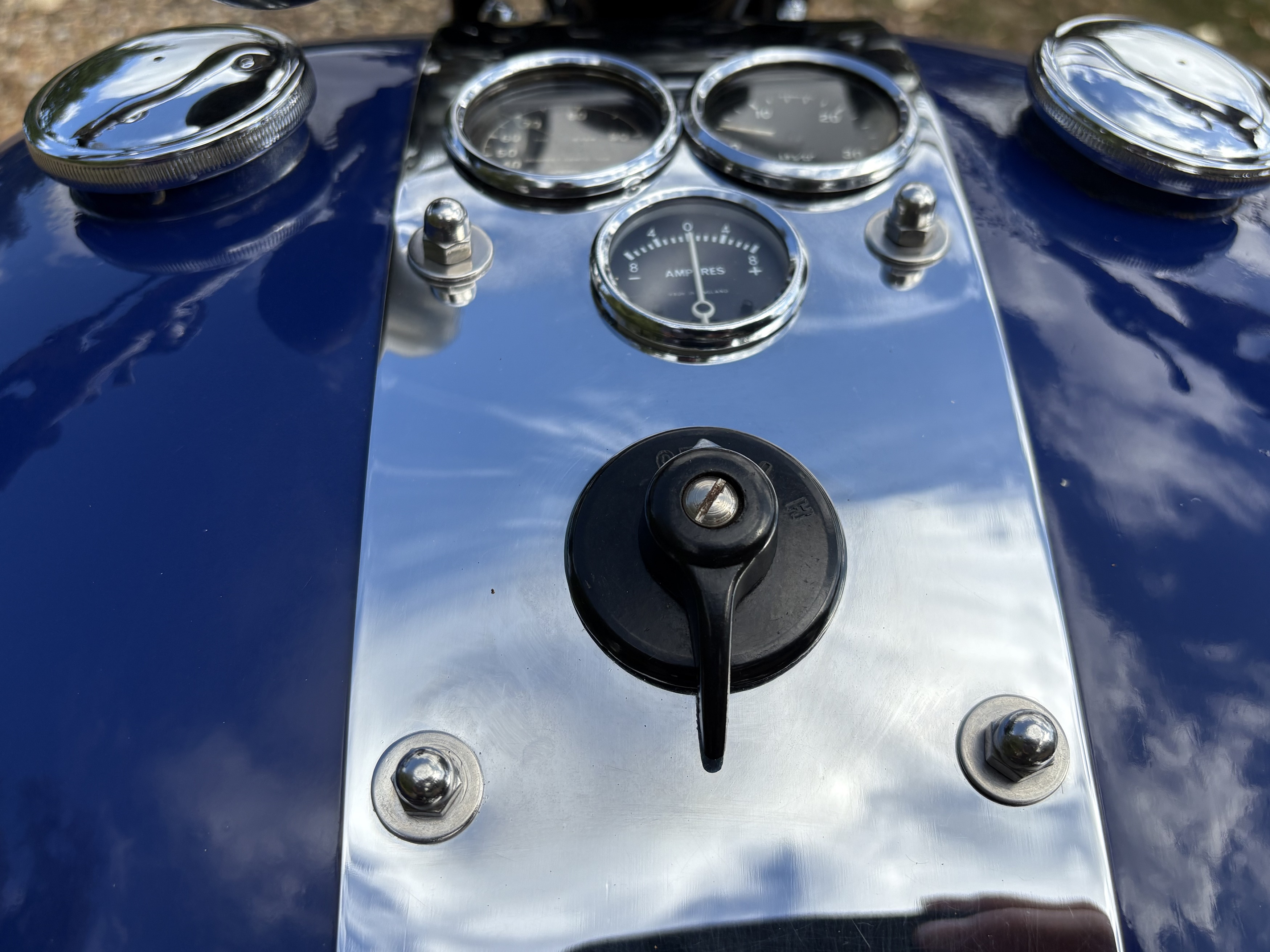
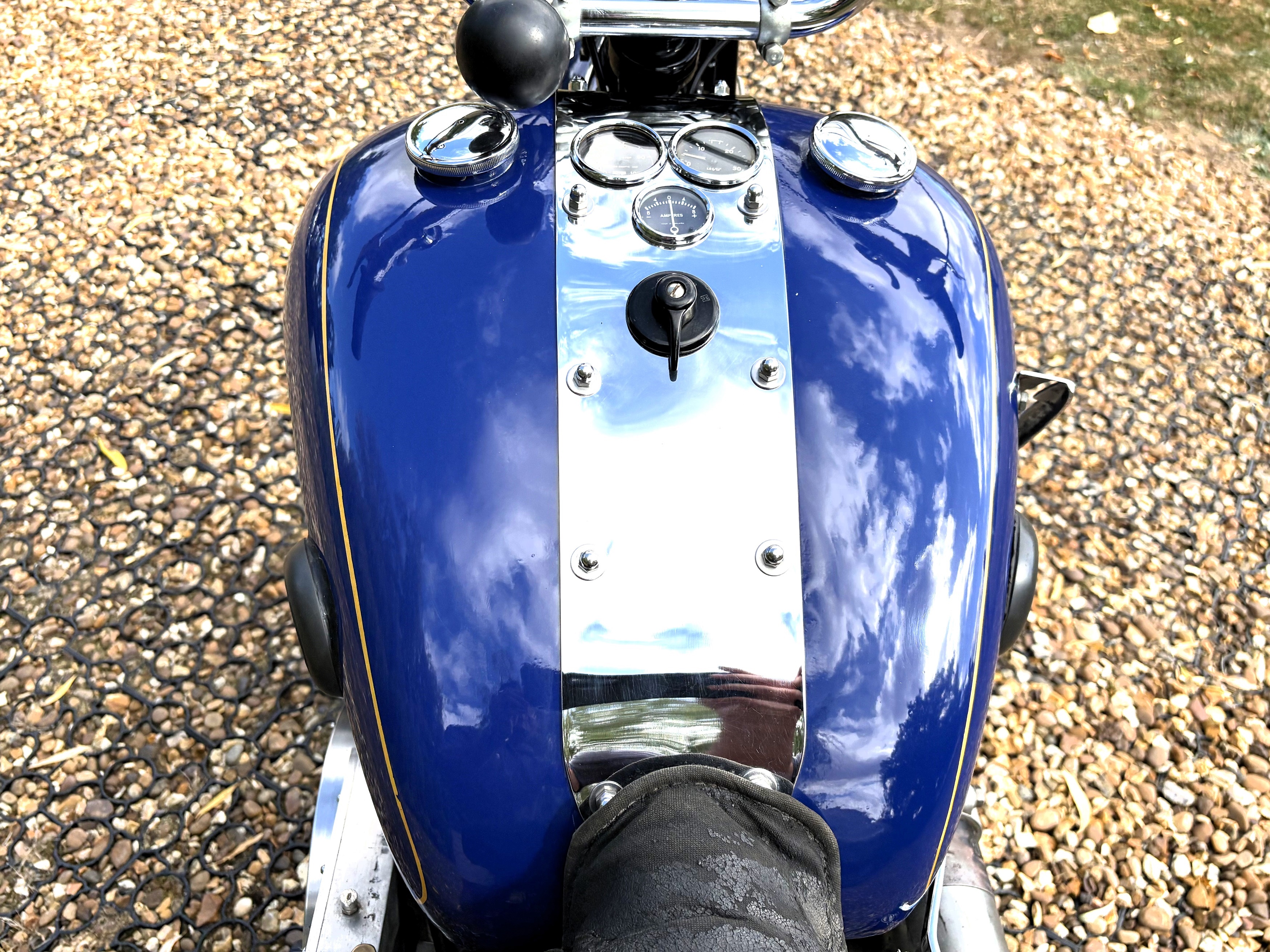
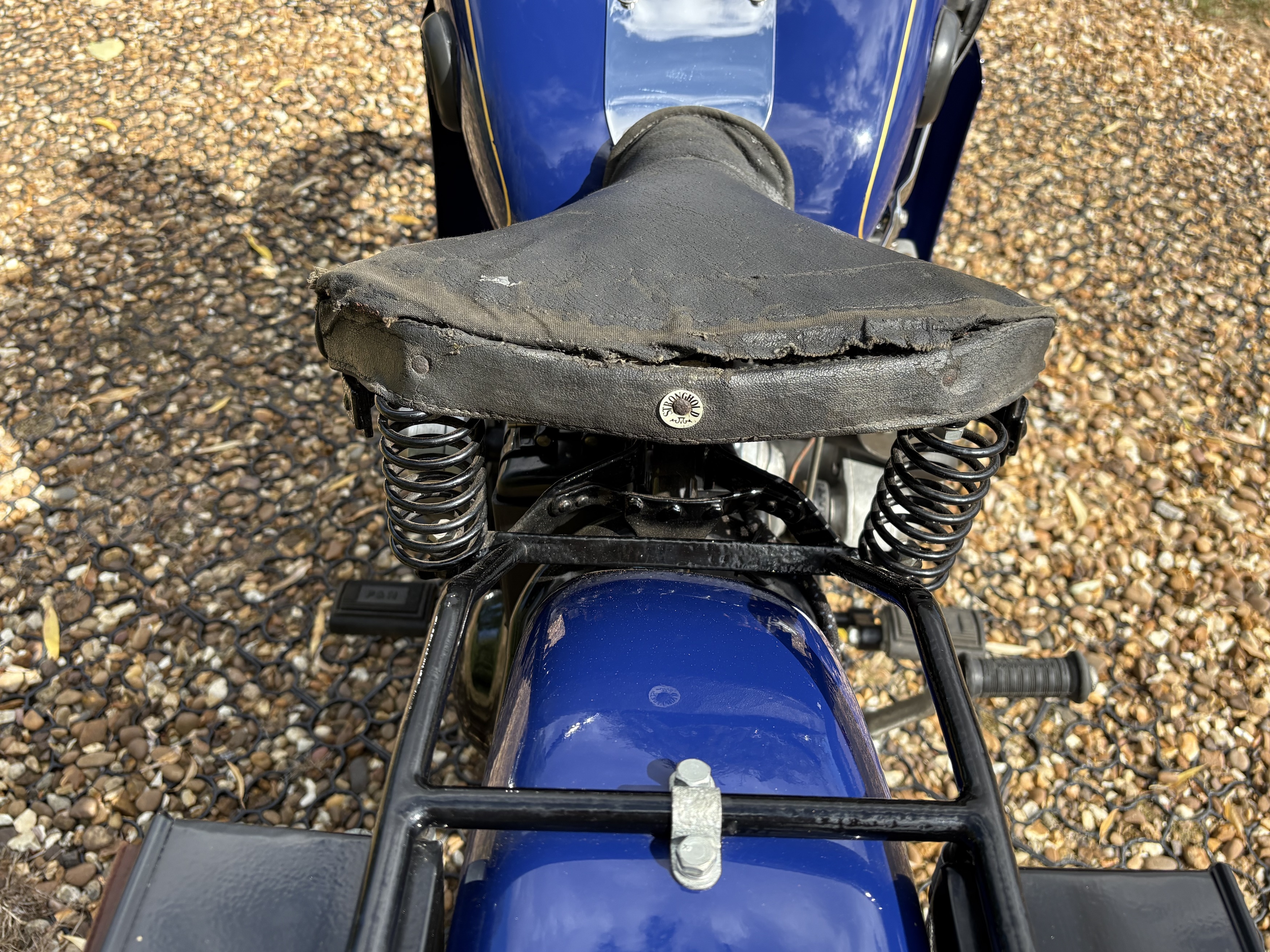
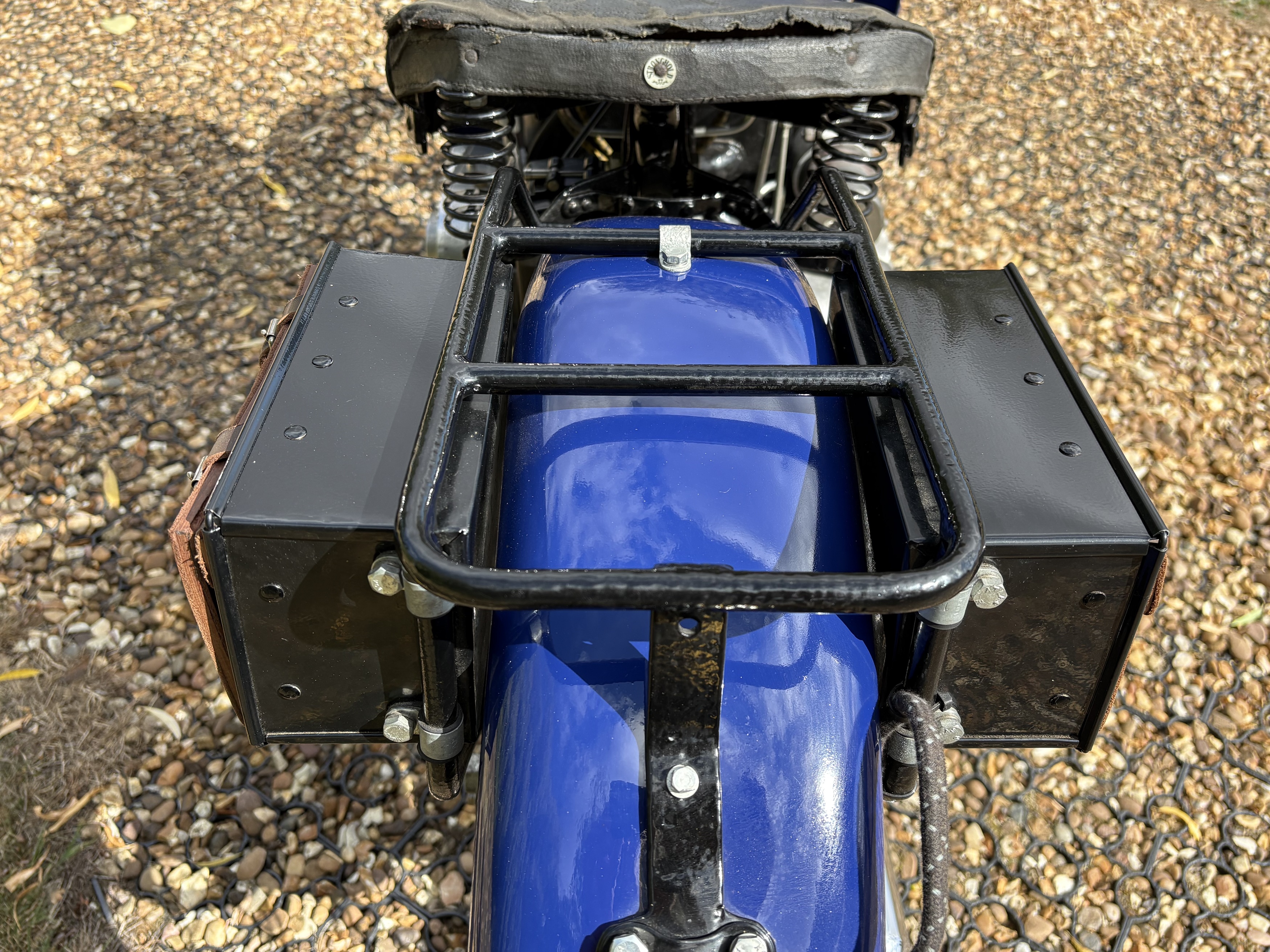
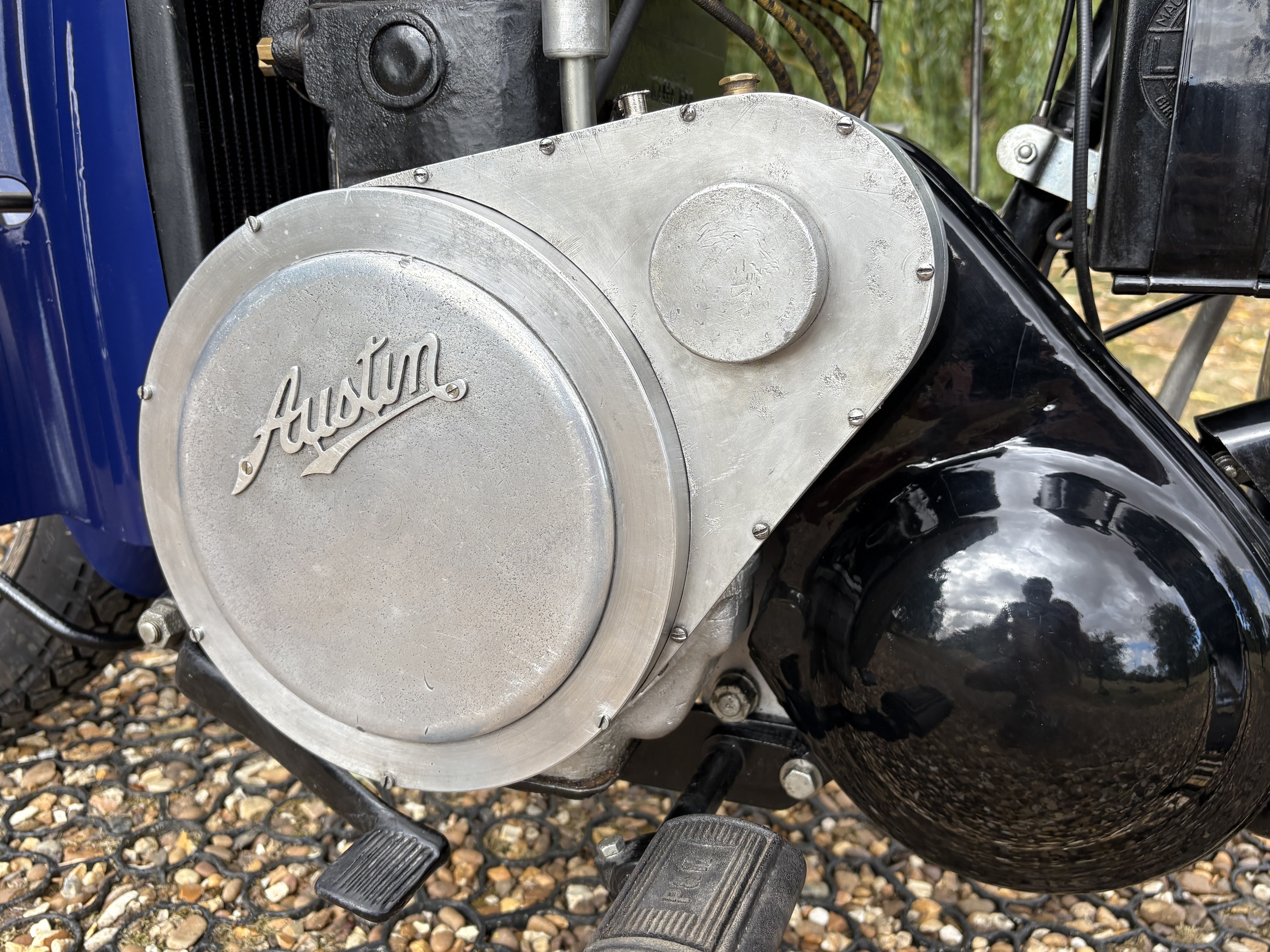
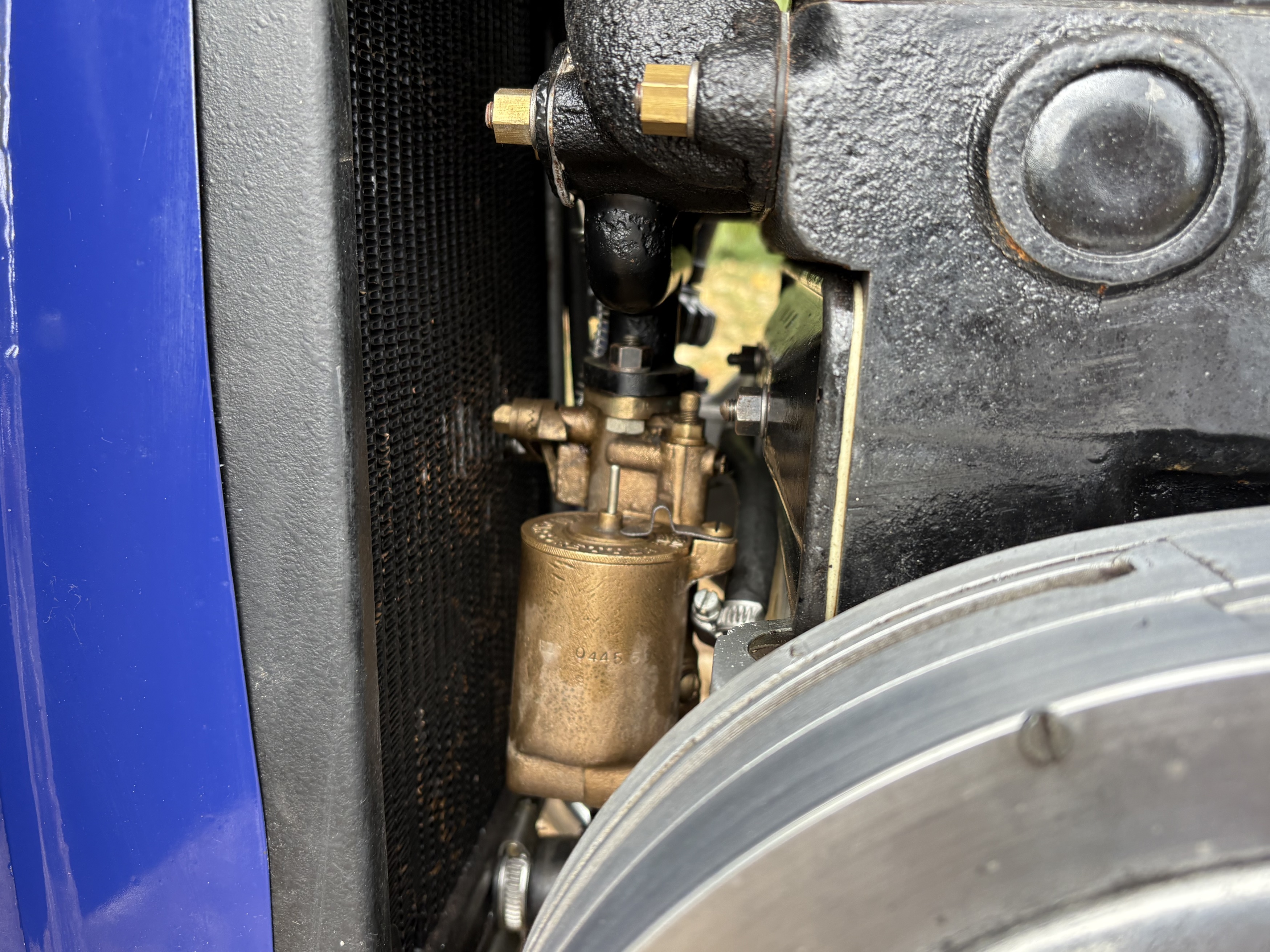
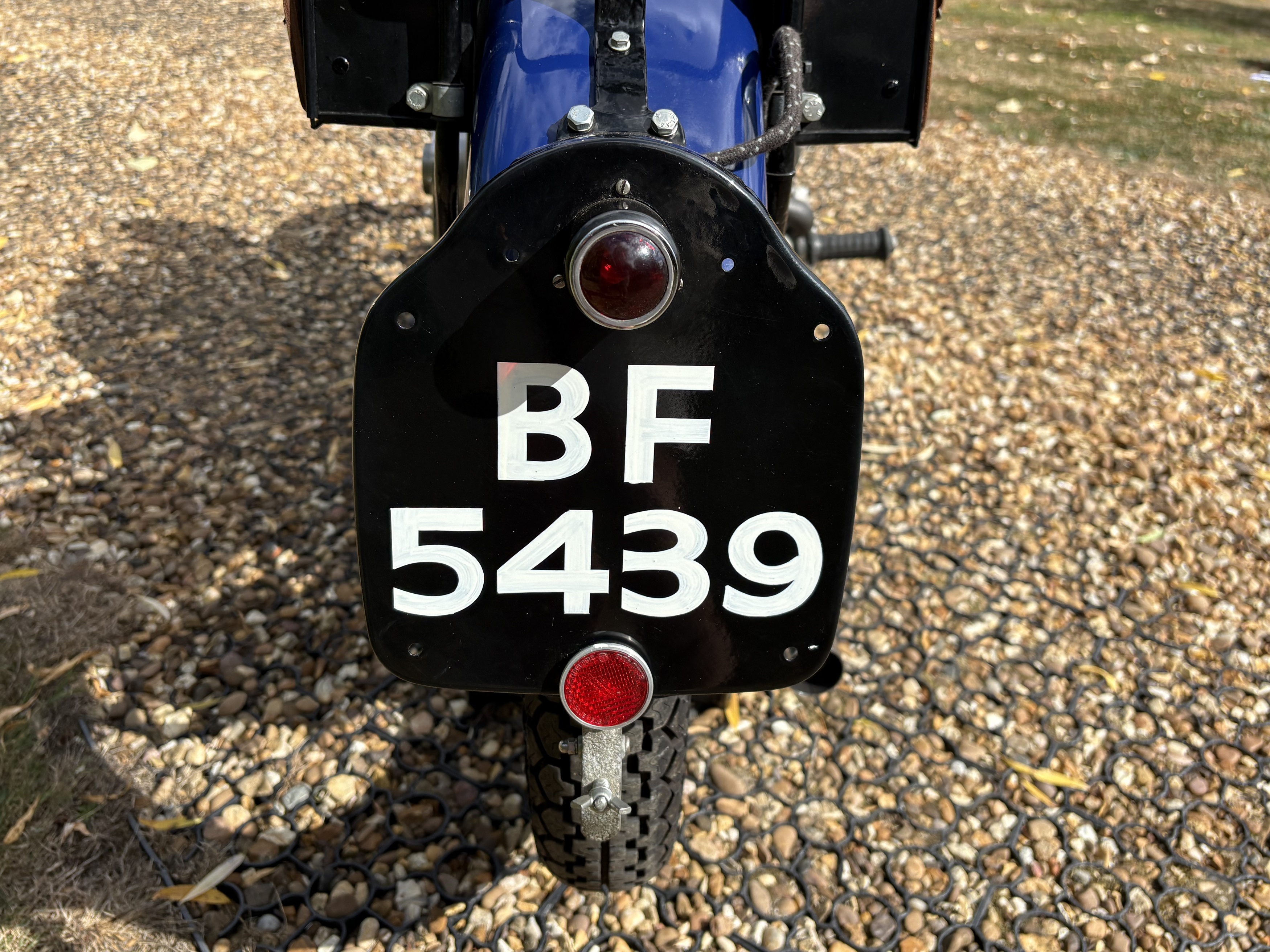
But if the concept of using an Austin Seven “peoples’ car” engine was good enough for George Brough, then it’s no surprise it appealed to others too, with this example we see before us one of the better ones. So what have we here? Badged as “Pegasus,” it’s a 1928 Panther – P&M/Phelon and Moore – frame and such, with the single-cylinder engine removed and in its place the Austin Seven car engine; which was, incidentally, lighter than an Ariel Square Four unit.
The Pegasus was apparently built by a Mr. McCulkin (or McCalkin) in Bristol, where he worked for Douglas motorcycles in Kingswood; Douglas unknowingly doing much of the work. It was advertised on eBay circa 2005 in a “sorry state” and then extensively restored, though its interim history is something of a mystery. The story is that six of the Pegasus-branded specials were made, but there’s nothing concrete to substantiate such a claim.
Current owner Tim Metcalfe bought the machine in 2016, it having been beautified by its previous owner, vintage car restorer Geoff Squirrel. Geoff had decided against rebuilding the engine, after being told by the vendor that it had been done; he checked it over and it looked and ran quite well, so he left it as it was. Unfortunately, it didn’t prove so.
Under Tim’s direction, the work on the 1928 engine was undertaken by vintage car and Austin Seven expert Harry Colledge at Thornfield Vintage. As acquired, the way in which the engine was driving the gearbox was simply a sprocket welded to the end of the crankshaft, resulting in the chain primary drive putting a lot of stress on the crankshaft; it was no wonder it was bent. Harry converted the system to belt drive, which can be run a lot tighter, so negates the whip. And there was a new crankshaft made, among much more… The total cost was £12,000.
The Pegasus remains an enigma, despite all the time and expense lavished on it, but a handsome one. Tim Metcalfe will be happy to help and assist the purchaser of a machine which will draw a crowd and cost a considerable amount less than a BS4… while it’ll be a whole lot better to ride, especially solo, too.
The article that this is taken from will appear in the November, 2025, issue of The Classic Motor Cycle by James Robinson.